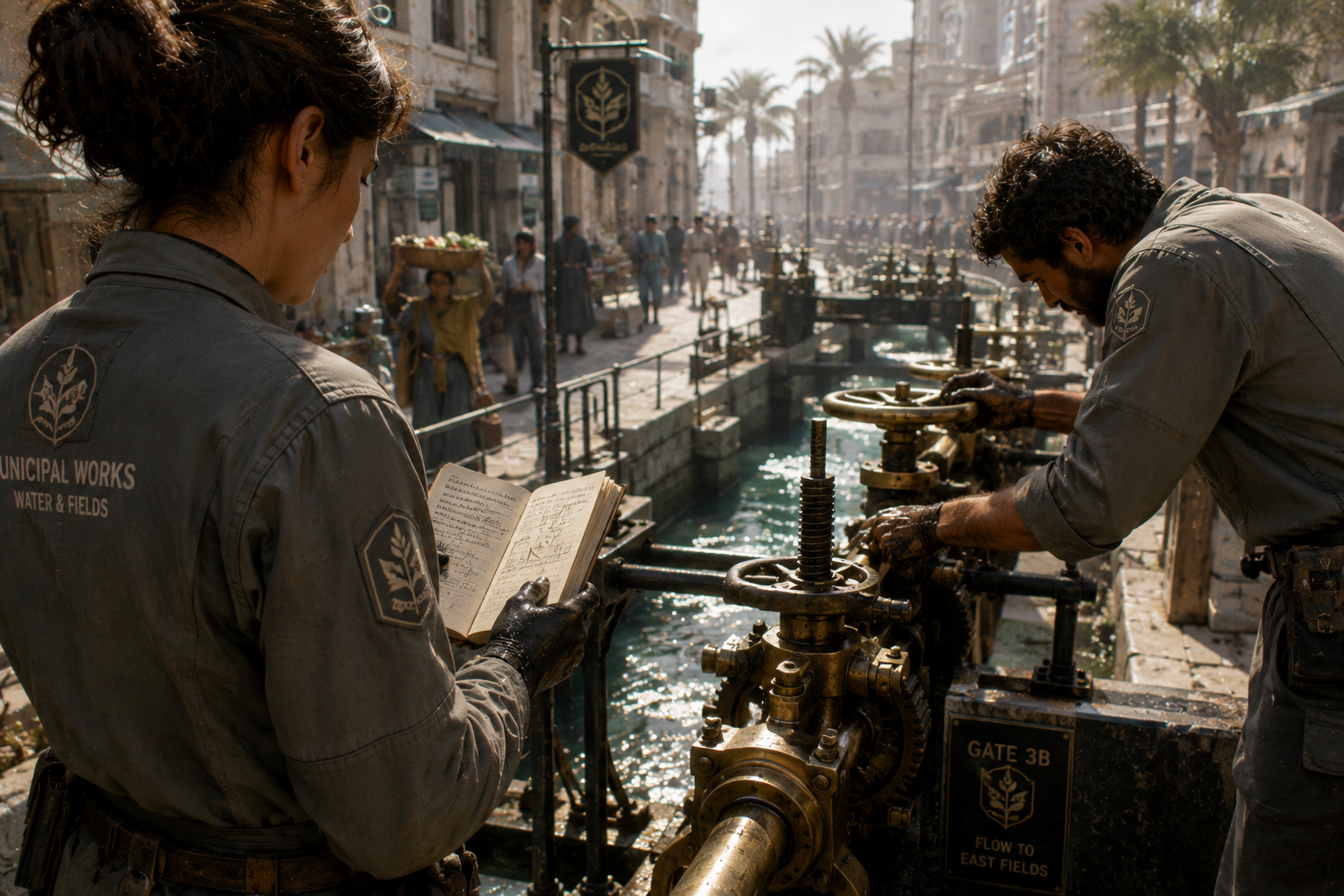
The most believable speculative worlds often hinge on quiet, repeatable systems that govern daily life.
These routines — from waste collection to water rituals — give readers touchpoints amid wonder.
When routine is consistent, the extraordinary feels anchored rather than arbitrary.
This piece explores how mundane mechanics can drive conflict, reveal culture, and enrich story stakes.
Define the Rules Behind Routine
Begin by deciding what practical systems support life in your world and why they exist.
Consider resource cycles, communication networks, labor patterns, and how those systems evolved after key historical events.
Make rules clear enough to be consistent, but leave room for exceptions that create narrative friction.
Specific constraints—scarcity of light, a seasonal tide, or a taxed trade route—become fertile ground for plot.
Clarity about mechanics helps you avoid convenient coincidences and makes consequences feel earned.
Readers will accept strangeness when it behaves predictably within the world’s logic.
Use Everyday Infrastructure to Reveal Culture
Domestic and civic mechanics reflect social priorities and values without overt exposition.
Who maintains the bridges, records births, or polices the canals signals power distribution and class relations.
Small design choices—communal ovens, mandated noticeboards, ritualized paperwork—become cultural signatures.
Let characters navigate these systems; their choices expose social norms and personal stakes.
Showing routine interactions with institutions creates organic worldbuilding moments.
These details let readers infer larger societal structures from intimate scenes.
Turn Mundane Rules into Story Engines
Routine can generate obstacles, opportunities, and moral dilemmas when it breaks or bends.
A disrupted delivery cycle can spark black markets, a calendrical quirk can shift religious observance, and bureaucratic opacity can hide corruption.
Conflicts rooted in everyday systems feel grounded; stakes arise from survival, reputation, and access rather than abstract prophecy.
Use procedural scenes—applications, inspections, commutes—to build tension incrementally.
Small-scale failures and workarounds often scale into larger plot turns.
Plotting around systems keeps action coherent and thematically resonant.
Conclusion
Routine mechanics give speculative worlds weight and logic.
They turn background texture into active plot elements and character pressure.
When crafted deliberately, mundane systems become the invisible scaffolding for memorable stories.