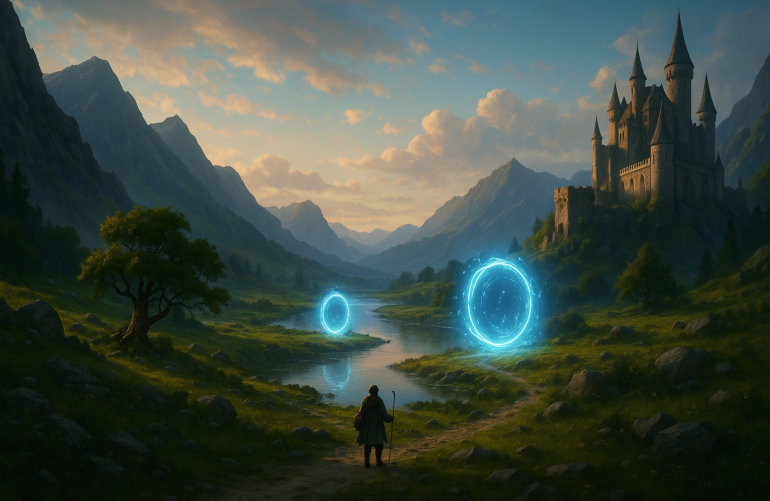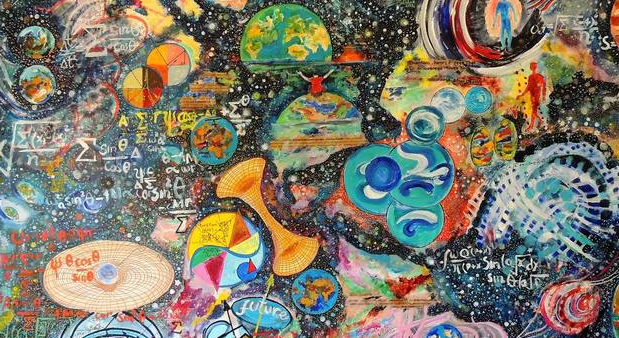
The idea that multiple universes might exist alongside our own has fascinated readers and writers for decades. Parallel universes open the door to endless possibilities, allowing fiction to explore alternate realities shaped by different choices, laws of physics, or timelines. These stories stretch imagination while remaining deeply human, often focusing on identity, consequence, and curiosity. As science and popular culture increasingly reference the multiverse, fiction has embraced it as a powerful storytelling tool. Through parallel universes, writers ask not just what if, but who might we become under different circumstances.
The Concept of the Multiverse in Storytelling
In fiction, multiverse theories suggest that reality is not singular but made up of countless coexisting worlds. Each universe may follow its own rules, histories, or versions of familiar characters. This framework allows writers to explore alternative outcomes without breaking narrative logic. A single decision can lead to vastly different realities, making the multiverse an ideal structure for examining cause and effect. It gives storytellers freedom while maintaining an internal sense of order.
Identity and Choice Across Realities
One of the most compelling aspects of parallel-universe fiction is its focus on identity. Characters often encounter alternate versions of themselves, forcing them to confront who they are and who they could have been. These encounters highlight how much of identity is shaped by circumstance, environment, and choice. By comparing parallel lives, stories explore regret, ambition, and self-acceptance in emotionally resonant ways. The multiverse becomes a mirror for personal reflection.
Expanding Conflict and Scale
Parallel universes allow conflicts to extend beyond a single world. Threats can ripple across realities, and alliances may form between universes with shared goals. This expanded scale raises stakes while maintaining intimate character-driven narratives. Writers can explore ethical dilemmas around interference, responsibility, and balance between worlds. The multiverse structure supports both epic storytelling and quiet, philosophical moments.
Why Multiverse Fiction Resonates Today
Modern audiences are drawn to multiverse stories because they reflect contemporary feelings of uncertainty and possibility. In a world shaped by rapid change, the idea that many outcomes exist feels relatable. These stories offer comfort and intrigue, suggesting that no single path defines everything. Multiverse fiction encourages imagination while grounding its themes in emotional truth.
Conclusion
Parallel universes give fiction a limitless canvas for exploring choice, identity, and consequence. By blending imaginative worlds with human emotion, multiverse stories remain both expansive and deeply personal. They remind readers that every possibility holds meaning—even the ones we never experience.