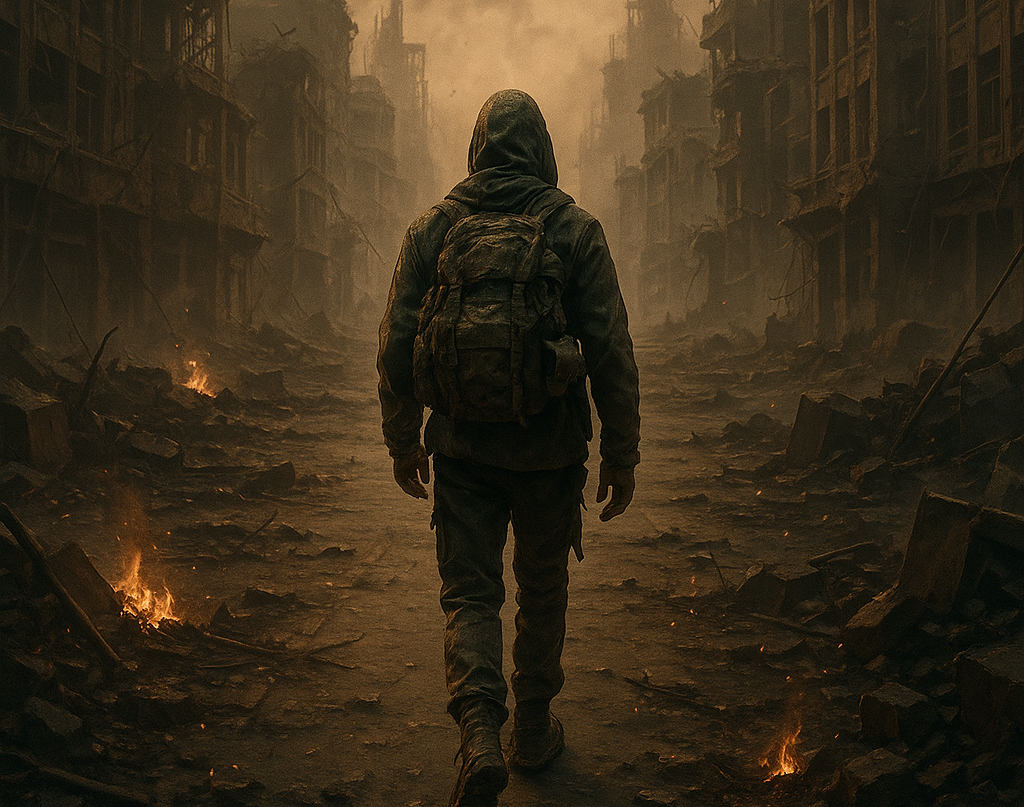
Post-apocalyptic stories imagine worlds transformed by catastrophe, yet at their core, they reveal something deeply human: our ability to survive, adapt, and hope even when everything familiar is gone. These narratives strip life down to its essentials, forcing characters to confront fear, scarcity, and uncertainty. In doing so, they highlight resilience and the powerful instinct to rebuild. The end of the world becomes a backdrop for exploring courage, community, and the strength of the human spirit.
Despite the ruins, these stories show that humanity’s greatest resource is its will to endure.
Survival as a Test of Character
In post-apocalyptic settings, survival is never guaranteed. Food, shelter, and safety become daily challenges, pushing characters to discover what they’re truly capable of. This struggle reveals inner strength, resourcefulness, and moral choices that might remain hidden in ordinary life. These narratives remind us that adversity can bring out courage we didn’t know we had.
The Power of Community in Isolation
Even in devastated worlds, humans instinctively seek connection. Groups form not just for safety but for emotional support, shared purpose, and belonging. These communities—no matter how fragile—reflect a powerful truth: people survive better together. Hope often emerges through cooperation, trust, and the bonds formed between survivors. The loneliness of a broken world makes companionship even more meaningful.
Hope Rising from Ruins
Post-apocalyptic stories aren’t only about destruction—they’re about rebuilding. Characters plant seeds in barren soil, mend broken structures, and create new systems of living. These acts of rebuilding symbolize humanity’s refusal to give up. Even small gestures, like sharing a meal or finding a treasured object, become symbols of hope. They show that beauty and meaning can still exist amid chaos.
Confronting the Darkness Within
These worlds also reflect the internal battles people face when systems collapse. Characters confront fear, grief, and ethical dilemmas that shape who they become. Do they hold onto kindness, or give in to desperation? Do they protect others, or prioritize only themselves? These tensions highlight the fragile balance between survival and morality—and the triumph of compassion when it wins.
Conclusion
Post-apocalyptic worlds test the limits of human endurance, but they also reveal our greatest strengths. Through survival, community, hope, and moral courage, these stories celebrate the resilience of the human spirit. Even when the world falls apart, humanity’s capacity for connection and renewal remains unbroken.