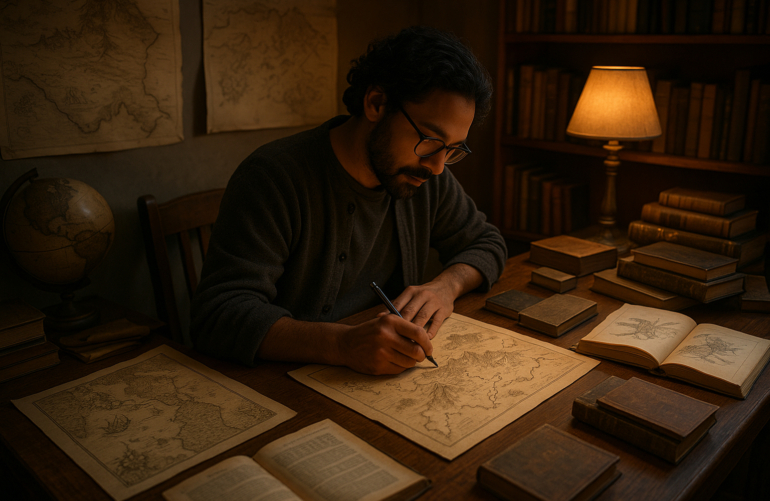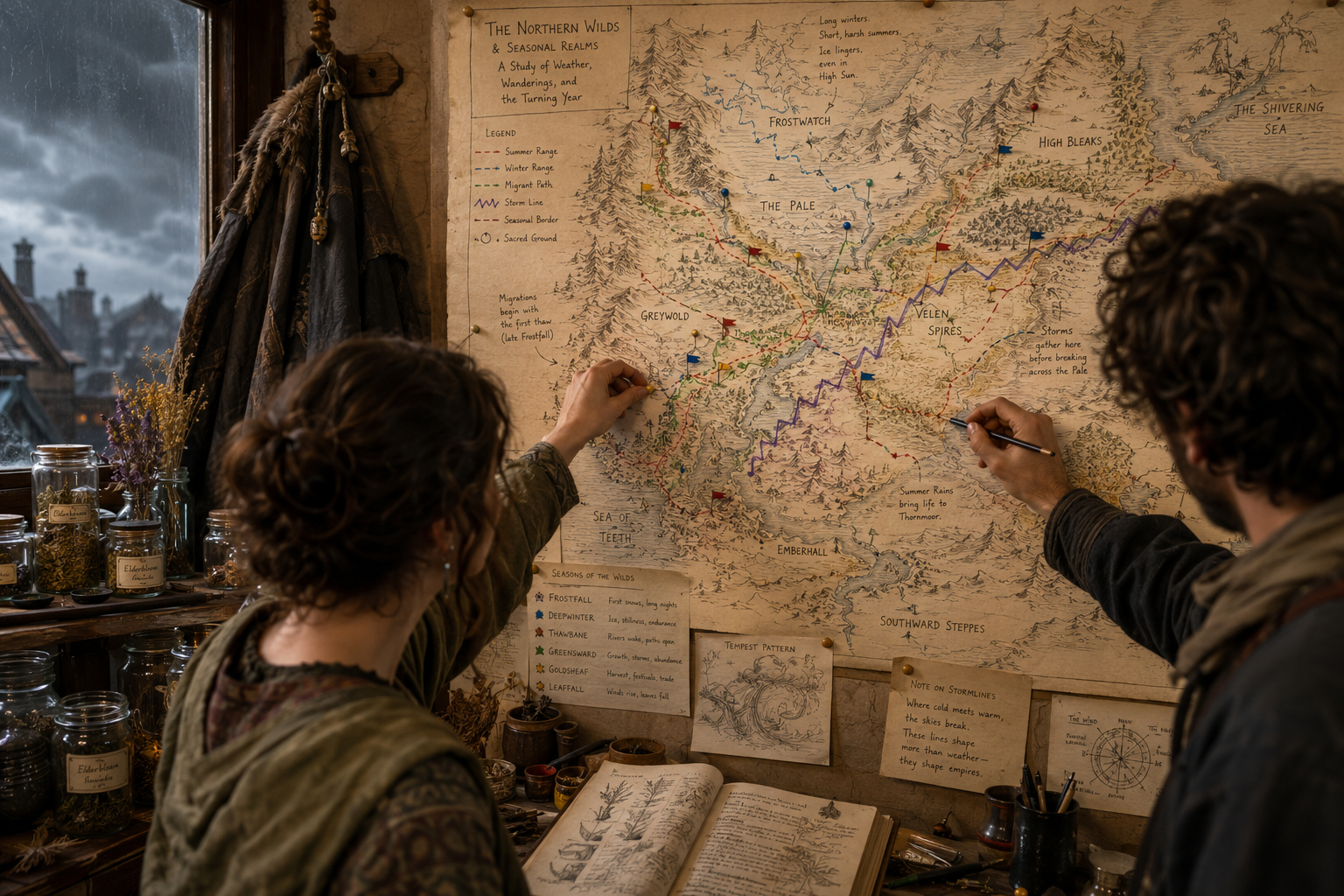
Weather and seasons are more than backdrop in speculative fiction; they can shape culture, economy, and personal stakes. Using cyclical change to highlight character arcs or social shifts adds depth without heavy exposition. Readers intuitively respond to climate patterns, making them powerful tools for scene-setting and conflict. This introduction outlines practical ways to integrate seasonal and meteorological forces into your worldbuilding and storytelling.
Why Seasonality Matters
Seasonal cycles affect daily routines, festivals, food supplies, and political calendars in any believable society. In speculative settings, altering the length, intensity, or predictability of seasons creates immediate social consequences that ripple through institutions and relationships. When seasons diverge from expectations—an endless winter or a sudden monsoon—characters must adapt, revealing priorities and vulnerabilities. Thoughtful attention to seasonality gives readers concrete anchors in otherwise unfamiliar worlds.
Consider seasons as structural scaffolding for your plot and as a lens for cultural norms. Small changes to timing or severity can justify major historical shifts without contrivance.
Using Weather as Character and Plot Engine
Weather can act like a nonhuman character: it has moods, it hinders travel, and it forces decisions. Storms can isolate communities and escalate interpersonal tensions, while droughts produce alliances or resource conflicts that drive long-term plots. Weather-driven deadlines—harvests, migrations, or ritual windows—create natural pacing and stakes that feel organic to the world. When weather is unpredictable, it also becomes a source of mystery or superstition that deepens cultural texture.
Integrate weather into scene objectives so it influences choices rather than merely decorates the setting. This keeps climatic elements narratively relevant.
Practical Techniques for Writing Seasonal Worlds
Begin by defining the basic rhythm: how many seasons exist, how long they last, and how reliable they are. Map out the social consequences—what trades thrive, which ceremonies align with cycles, and how infrastructure copes with extremes. Use sensory detail tied to climate—salty fog, brittle frost, or the scent of petrichor—to ground scenes and evoke atmosphere. Avoid overexplaining; show how characters respond to seasonal pressures instead of lecturing readers.
- Design one festival or law that exists solely because of a seasonal need.
- Create a minor character whose life is shaped by a climatic profession, like shepherding or storm forecasting.
- Introduce a turning point tied to an unusual weather event to reveal deeper truths about the world.
These techniques keep weather integrated at multiple scales, from intimate scenes to societal arcs. They also provide recurring motifs that unify your narrative.
Conclusion
Seasons and weather are powerful, flexible tools for deepening speculative worlds and driving story. Apply them deliberately to culture, plot, and character so climate feels consequential rather than incidental. When used well, seasonal dynamics make imagined settings lived-in and emotionally resonant.