Cities, colonies, and strange settlements often become characters in speculative fiction. Here are six novels where place—its rules, rhythms, and social textures—pulls you into stories that feel lived-in. These picks range from intimate, slow-burning mysteries to widescreen epics; no spoilers, just enough to know which neighborhood you might want to visit next.
The City & The City — China Miéville
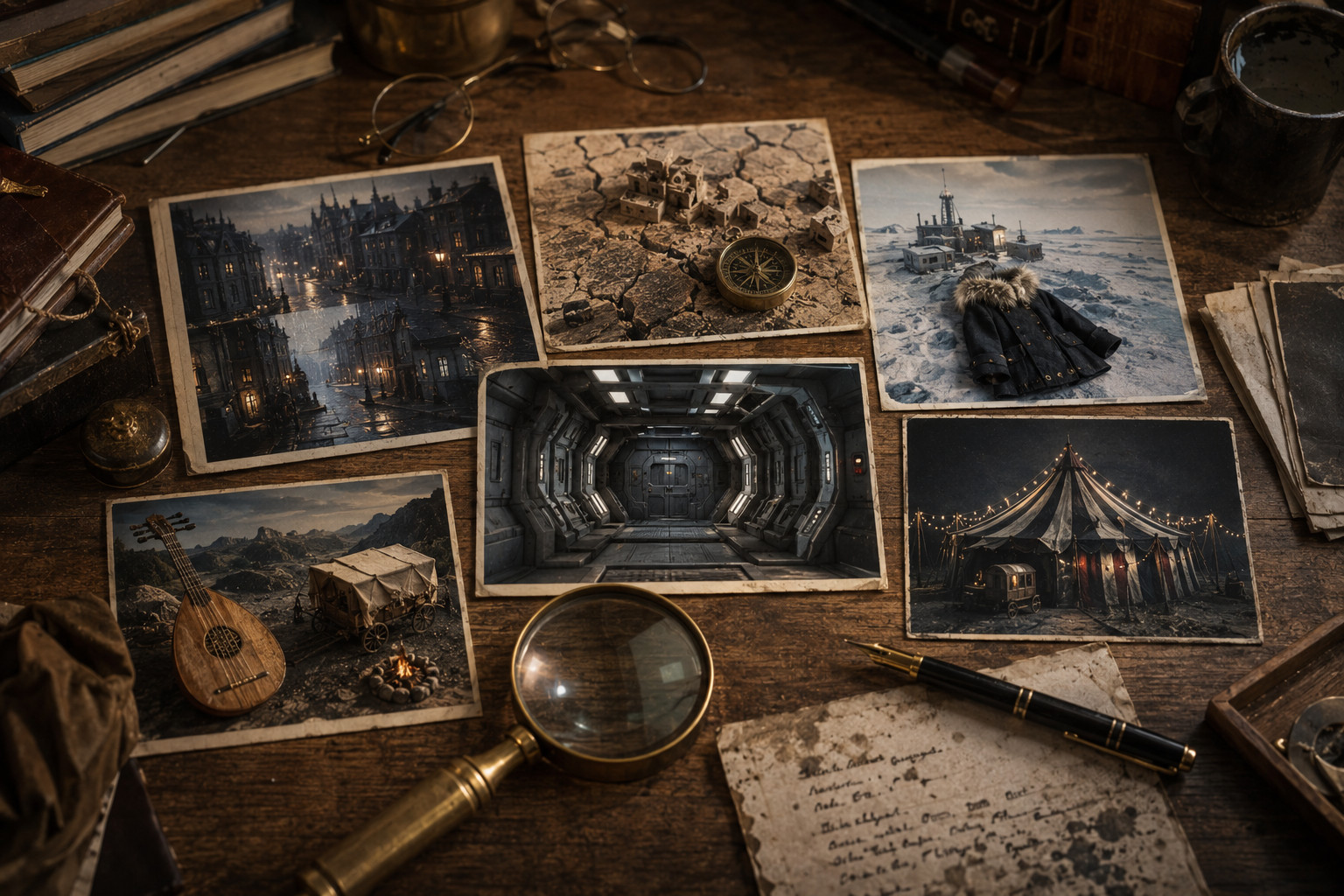
Part detective procedural, part speculative conceit: two cities occupy the same physical space but are perceived as separate through ritualized acts of blindness. If you like puzzles wrapped in political atmosphere and a city that enforces its own strange laws, this compact novel rewards close attention.
The Fifth Season — N.K. Jemisin
A world shaped by seismic catastrophe and rigid social hierarchies, told with fierce voice and structural originality. Jemisin builds a society where geology and oppression are inseparable, and the result is an immersive, urgent start to a trilogy that flips expectations about power and survival.
The Left Hand of Darkness — Ursula K. Le Guin
Le Guin’s classic introduces a cold, windswept planet and a delicate study of culture, politics, and connection across difference. The novel’s quiet rhythms and anthropological eye make for a thoughtful exploration of how societies shape identity and belonging.
Ancillary Justice — Ann Leckie
A space opera anchored by a protagonist who complicates identity and loyalty. Leckie uses the structures of empire and starship life to explore perspective and language; readers who enjoy sharp questions about personhood and the mechanics of civilization will find much to chew on.
Station Eleven — Emily St. John Mandel
This is a post-pandemic story less about survival logistics and more about cultural memory: traveling performers, scattered communities, and the artifacts they carry forward. The novel threads small human moments into a broader rumination on what keeps civilization alive.
The Night Circus — Erin Morgenstern
A folding, nocturnal world built around a mysterious circus that appears without warning. Morgenstern’s novel is atmospheric and sensory—perfect if you want a setting that feels magical and intimate, where place and wonder are inseparable.
Conclusion
Each of these books treats setting as more than backdrop—cities, planets, and communities drive plot and character in ways that linger after the last page. Pick one that matches the mood you want—claustrophobic mystery, sweeping epic, or wistful elegy—and let the place carry you into the story.