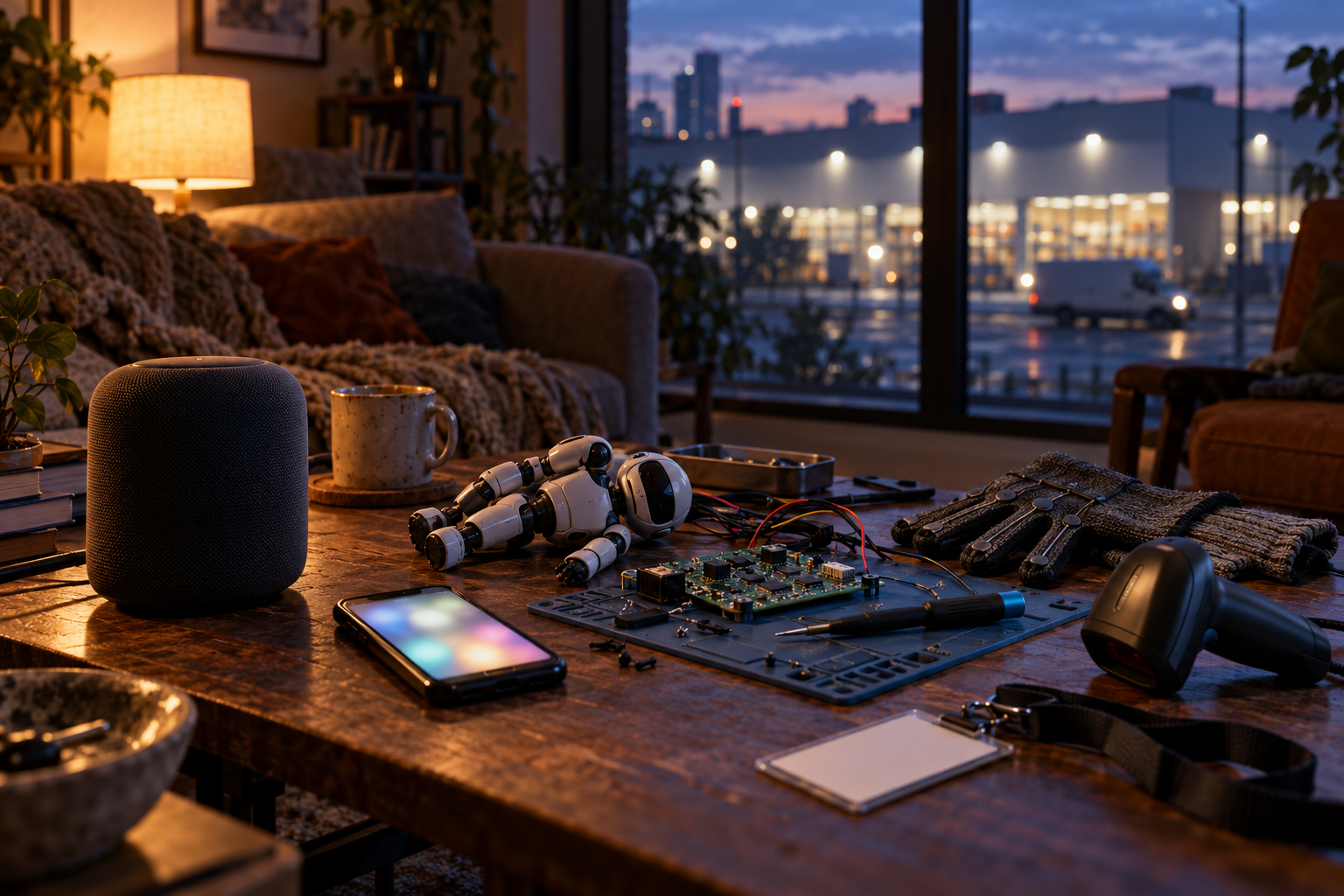
Technology in speculative fiction doesn’t always arrive as starships and doomsday machines. Sometimes a single app, a workplace scanner, or an affordable robot quietly reorders who holds power and what people are willing to trade for convenience. These six novels all start with recognizable tools or systems and show how small changes ripple into lives, cities, and ethics—perfect if you like ideas that feel uncomfortably close to home.
The Circle — Dave Eggers
Eggers imagines a powerful tech company that stitches social media, personal data, and corporate ambition into a single platform. The novel tracks how openness as a virtue becomes surveillance by another name, and how workplace culture normalizes ever‑more intrusive tech. It’s blunt and often unsettling.
Little Brother — Cory Doctorow
Built around a group of San Francisco teenagers, this faster‑paced YA title turns hobbyist hacking and off‑the‑shelf gadgets into tools of resistance. Doctorow shows both the thrill of learning how systems work and the consequences when civic freedoms collide with security tech. A reader-friendly crash course in practical rebellion.
Machines Like Me — Ian McEwan
McEwan sets an ethical triangle—human, machine, and the laws that govern both—in an alternate 1980s Britain. The presence of an adult‑quality synthetic being raises questions about consent, responsibility, and where judgment belongs when our devices look and act like people.
The Peripheral — William Gibson
Gibson’s novel stitches near‑future gadgets and far‑future consequences together through the idea of remote interfaces—‘peripherals’—that let users inhabit other bodies. The book balances street‑level detail with speculative inversion, showing how a seemingly niche device can reshape economies and violence.
Autonomous — Annalee Newitz
Newitz tackles intellectual property, medicine, and autonomous robots. A black‑market drug and the machines that enforce or undermine corporate control push characters into complicated moral territory. It’s energetic, idea‑dense, and attentive to how tech amplifies existing inequalities.
The Warehouse — Rob Hart
A near‑future retail behemoth runs towns via employee monitoring, delivery networks, and customer dependency. Hart’s novel reads like a cold look at convenience: bright warehouses, darker labor practices, and a corporate culture that insists it’s making life simpler while actually reshaping daily freedom.
Conclusion
If you enjoy speculative fiction that grows directly out of the devices and services we already use, any of these six will give you sharp, readable thought experiments—some bleak, some wry—but all rooted in how small technologies change the people around them.