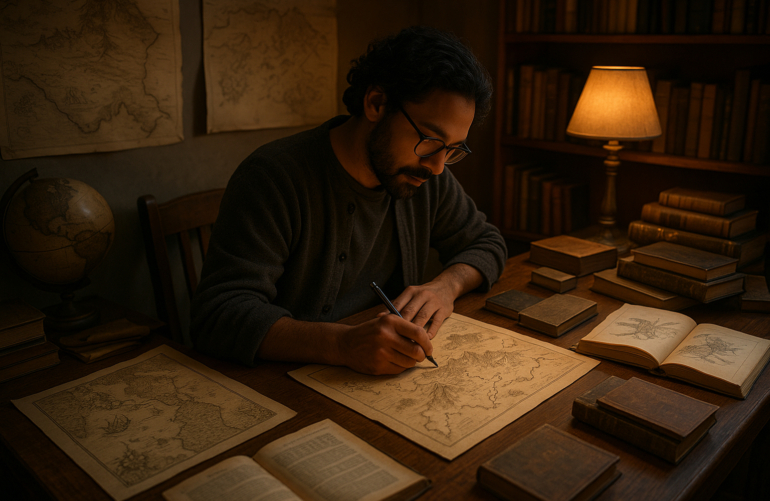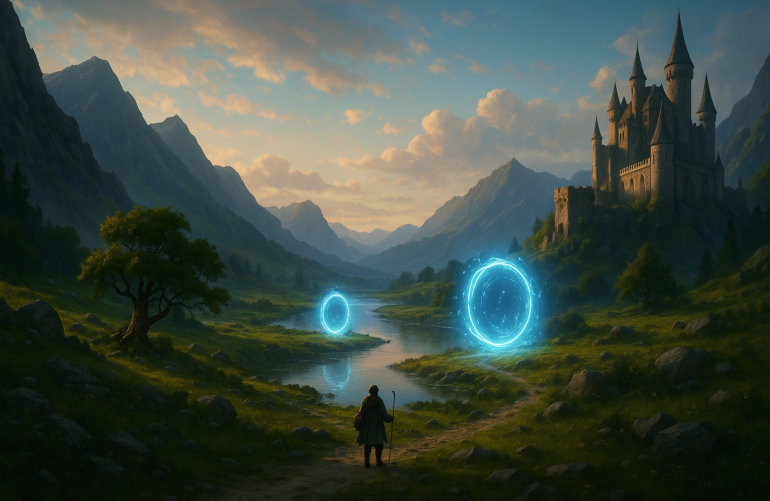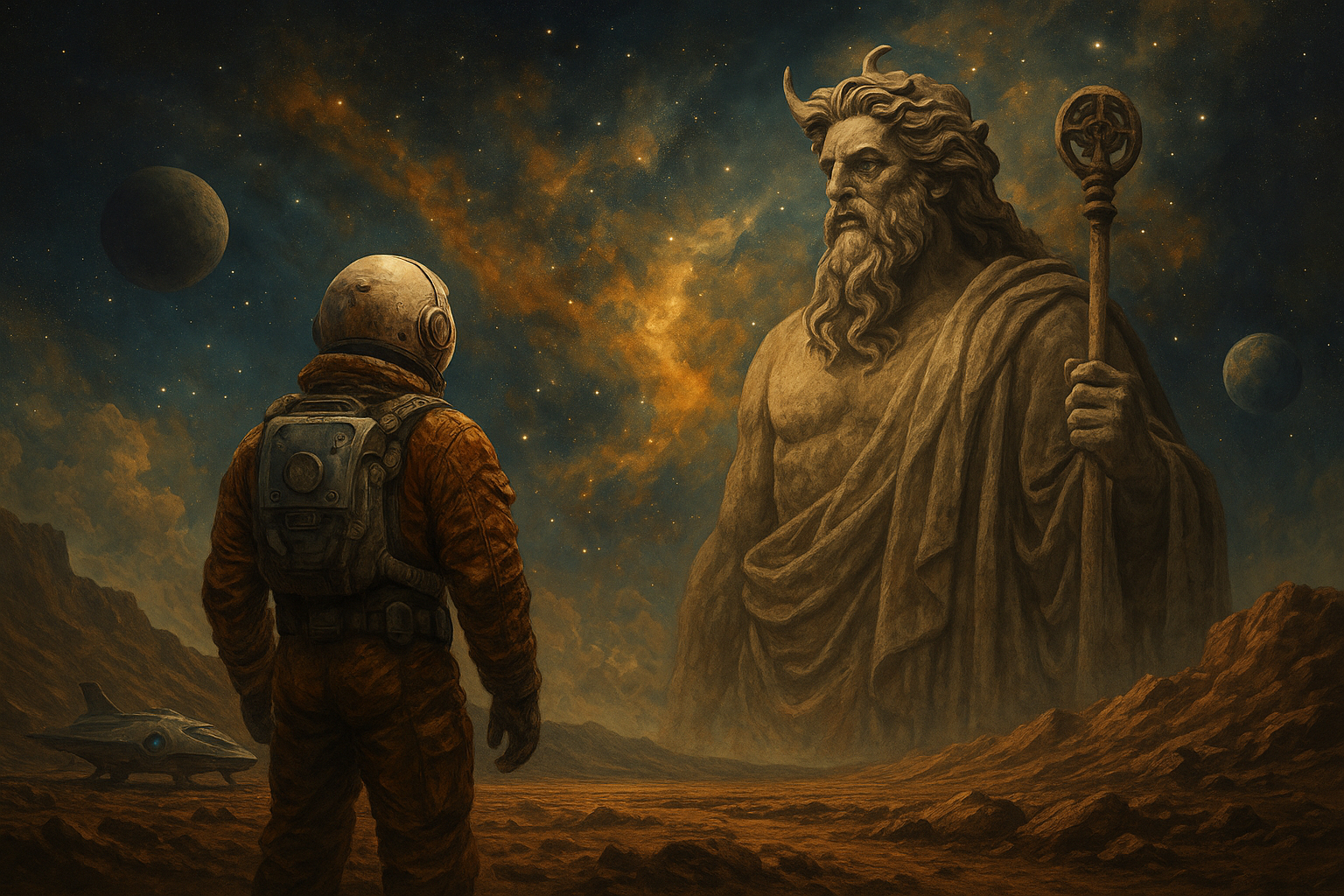
Science fiction may seem like a genre built on technology and futuristic imagination, but at its core, it often draws from something ancient—myth. From gods and heroes to quests and creation stories, myths have long provided the narrative foundation for exploring humanity’s relationship with power, discovery, and the unknown.
From Ancient Legends to Cosmic Sagas
The earliest myths explained the mysteries of life and the universe. In the same way, science fiction seeks to answer “what if?” questions about our future. Stories like Star Wars and Dune mirror mythic journeys of destiny, sacrifice, and transformation, while replacing swords and sorcery with spaceships and science. These parallels reveal how timeless mythic structures continue to guide modern storytelling.
Heroes, Archetypes, and the Human Condition
At the heart of both myth and science fiction lies the hero’s journey—a timeless structure that follows growth through challenge. Whether it’s Odysseus sailing the seas or an astronaut venturing into space, both heroes confront internal and external trials that reflect humanity’s eternal search for meaning. The archetypes of mentor, trickster, and villain remain ever-present, reshaped to fit new worlds and technologies.
Science as the New Magic
Where myths once used gods to explain natural phenomena, science fiction uses advanced technology to explore those same mysteries. Artificial intelligence, alien civilizations, and time travel often stand in for divine power, questioning humanity’s limits and responsibilities. In this sense, science fiction becomes modern mythology—reflecting our fears, hopes, and moral dilemmas through the lens of science.
A Bridge Between Past and Future
Myth connects us to our cultural roots, while science fiction projects us into what lies ahead. Together, they form a continuum of storytelling that reflects our collective imagination. Every great sci-fi narrative carries a trace of myth, reminding us that even as we reach for the stars, our stories remain deeply human.
Conclusion
The myths of the past continue to shape the futures we imagine. Science fiction, with all its futuristic wonders, still relies on the same timeless themes—creation, conflict, transformation, and destiny. In the end, myth and science fiction share the same goal: to help us understand who we are, where we came from, and where we might be going.