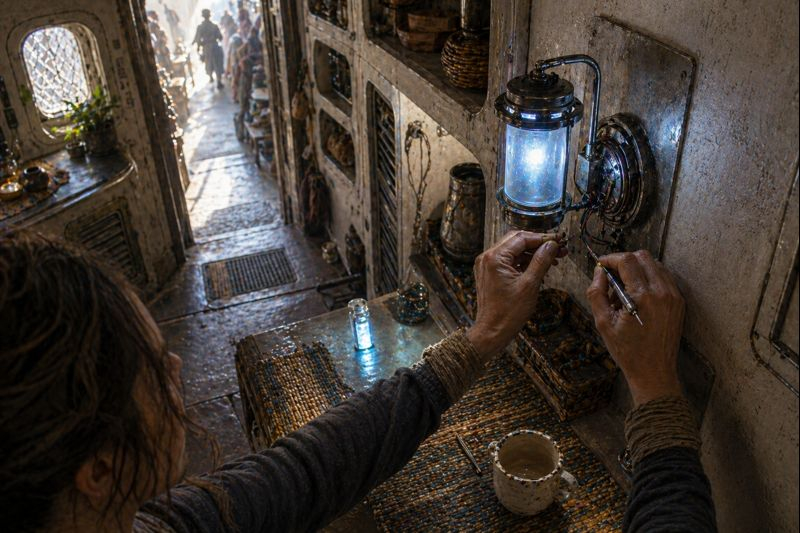
Domestic spaces are a powerful way to show rather than tell the rules of a speculative world. Kitchens, narrow alleys, sleeping chambers, and workshops hold traces of technology, belief, and economics that characters accept as ordinary. Focusing on everyday rooms helps readers inhabit a setting because those spaces tie culture to routine. This article explores methods to use domestic detail to reveal broader worldbuilding.
Observe How Rooms Reflect Values
Start by asking what a household values and how that shapes layout, objects, and maintenance. A society that prioritizes communal life will design larger shared spaces, while one that fears contamination might favor separable quarters and ritual cleaning. Material choices, from woven mats to engineered alloys, signal resource availability and aesthetic priorities without exposition. Small adjustments like built-in storage for tools or alcoves for offerings create immediate cultural signals. Contrast households of different classes to show inequality through furnishings.
Write scenes that linger on how characters interact with these features. Those interactions reveal habits and power dynamics naturally.
Interpret Objects as Cultural Evidence
Every object in a home can act as a clue: a chipped cup hints at scarcity or attachment, a luminous lamp points to available energy sources, and repair methods show technological stratification. When characters cull, hoard, or ritualize objects, they expose belief systems and economic pressures. Treat artifacts as props that carry history, not just background decoration. Let characters’ choices about objects drive exposition instead of infodumps. Even broken or repurposed items tell stories about adaptation and loss.
Use details to raise questions readers want answered. Those questions keep readers engaged while you unfold the setting. Answering some and withholding others creates narrative momentum.
Designing Day-to-Day Routines
Routines are invisible architecture; they scaffold society and give scenes rhythm. Consider how cycles of work, meals, worship, and sleep adapt to climate, light, or shifts in gravity and technology. Small rituals, such as a morning light-tending, communal water distribution, or nightly code-lock resets, can define social roles and create tension. Layer routines so they interact: when a routine breaks, it becomes a plot point. Consider how authority enforces or disrupts those routines for dramatic effect.
Map routines before plotting to ensure consistency and opportunity. Broken routines provide believable catalysts for character change. Those disruptions drive stakes.
Conclusion
Domestic spaces are a microcosm that let readers infer broader worldbuilding through concrete detail. By observing rooms, interpreting objects, and crafting routines, you can anchor speculative elements in everyday life. These techniques keep wonder grounded and make imagined worlds feel lived in.