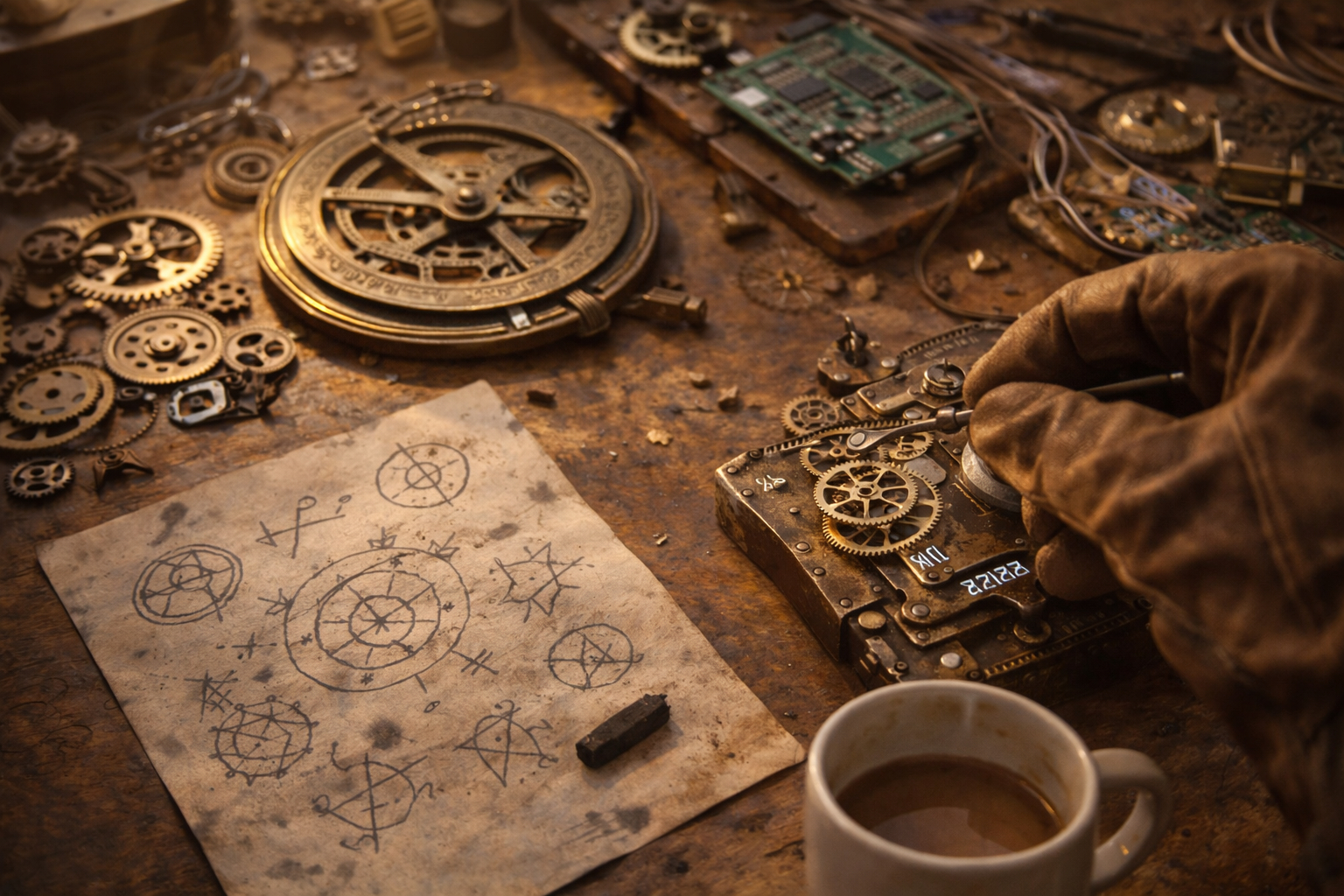
In speculative fiction, mixing mythic forces with technological systems can create memorable settings that feel fresh and lived-in. Achieving believability depends less on choosing one side than on establishing consistent rules that govern both. This introduction outlines practical techniques for integrating supernatural elements and engineered systems so they coexist logically. Writers can use internal logic, cultural effects, and character-driven consequences to make hybrid worlds convincing.
Establishing Internal Logic
Start by defining the rules that apply to both magic and technology, and be explicit about their limits and costs. A clear causal framework prevents deus ex machina moments and helps readers form expectations that your narrative can satisfy or subvert. Decide whether both systems are interchangeable, complementary, or fundamentally opposed, and show how they interact through observable effects.
– Specify energy sources, required materials, or rituals to anchor otherwise mysterious abilities.
– Determine failure modes and side effects so that stakes remain tangible and consistent.
When you commit to these constraints, plot decisions gain weight and characters can work within known boundaries. Consistent rules also let you introduce innovations that feel earned rather than arbitrary.
Societal and Cultural Impacts
Consider how combined magic and technology shape daily life, class structures, and institutions; these consequences make the world feel inhabited. If an arcane faculty enhances communication networks, who controls it and who benefits? If a machine amplifies ritual power, how do religious or scientific authorities respond to the blurred lines of legitimacy and ethics?
– Map out who has access to hybrid tools and who is excluded to create realistic tensions.
– Think about education, law, and trade systems adapting to new capabilities and threats.
Cultural texture emerges when everyday practices reflect the hybrid system: art, slang, and etiquette will evolve around whatever is commonplace in your world. Showing these small details deepens immersion more than exposition alone.
Practical Considerations for Plot and Characters
Use the hybrid setting to create meaningful choices and obstacles rather than as a convenient shortcut. Characters should face problems that respect the established logic and reveal personal stakes tied to the world’s mechanics. Conflicts grounded in access, belief, or unintended consequences will generate more compelling drama than simple power displays.
Demonstrate character expertise through limitations—experts might know workarounds, but even they must pay costs. Keep interactions between magic and machines visible in scenes so readers learn the rules organically.
Conclusion
Blending myth and mechanism is most effective when built on clear, consistent rules that ripple through culture and narrative. Focus on consequences, access, and believable limits so hybrid elements create meaningful choices for characters. Done well, the fusion enhances both wonder and plausibility in your story world.