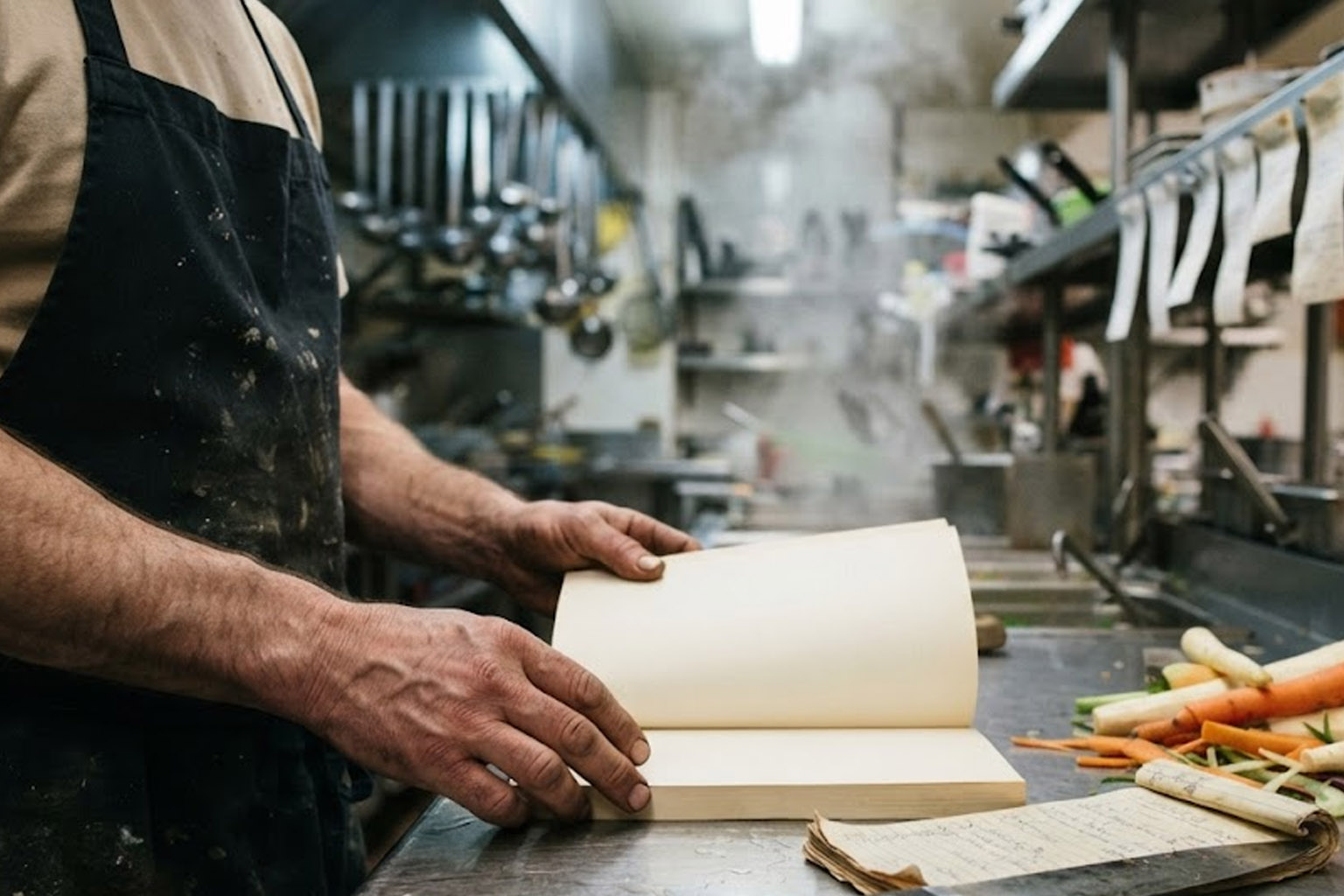
Restaurants, farms, and grocery aisles are places we pass through every day, but the lives inside them often remain out of sight. These five nonfiction books put those hidden kitchens and back rooms onstage, mixing reportage and memoir to show how food work shapes people, communities, and values. If you want to read about grit, craft, and the moral choices behind what ends up on your plate, any of these will lead you to unexpected corners.
Below are books that range from investigative reporting to first-person recollection. Some are fierce and blunt, others quietly observant. All of them connect labor to identity—what we do for a living, and who that makes us.
Kitchen Confidential — Anthony Bourdain
Anthony Bourdain’s candid, fast-paced account of life in professional kitchens broke through the glamour people project onto restaurants. He writes about long shifts, chaotic service, and the camaraderie and chaos that define back-of-house life. Bourdain’s voice is blunt and worldly, with an eye for the small, telling details that reveal the profession’s rhythms and costs.
Nickel and Dimed — Barbara Ehrenreich
Barbara Ehrenreich’s experiment—taking low-wage jobs to see if one can survive on them—remains a touchstone for conversations about service work, housing, and dignity. The book is clear-eyed about the financial and emotional strain of low-paid labor, and it forces readers to consider the human labor underpinning everyday comforts and conveniences.
The Omnivore’s Dilemma — Michael Pollan
Michael Pollan traces food chains from industrial farms to locally foraged meals, mixing investigative reporting with reflective prose. The book asks how different systems—factory farms, organic producers, and foragers—treat land, animals, and workers, and it invites readers to weigh taste, ethics, and environmental consequences when choosing what to eat.
Blood, Bones & Butter — Gabrielle Hamilton
Chef Gabrielle Hamilton’s memoir charts her journey from a difficult childhood to founding the restaurant Prune. Her storytelling centers on the physical labor and personal sacrifices behind professional cooking, and she writes with spare, exact language about the tactile pleasures and relentless grind of a chef’s life.
The Third Plate — Dan Barber
Dan Barber blends culinary curiosity with agricultural reporting to argue for a more holistic approach to food. He profiles farmers, restaurateurs, and systems that rethink how food is grown and served, focusing on sustainability but always grounded in the practicalities of feeding people well. It’s as much about taste as it is about responsibility.
Conclusion
Pick Bourdain if you want raw, anecdotal energy; choose Ehrenreich for social inquiry; Pollan for system-level thinking; Hamilton for a memoir rooted in craft; or Barber for solutions-minded reporting. Each book will change how you look at the next meal.