Introduction
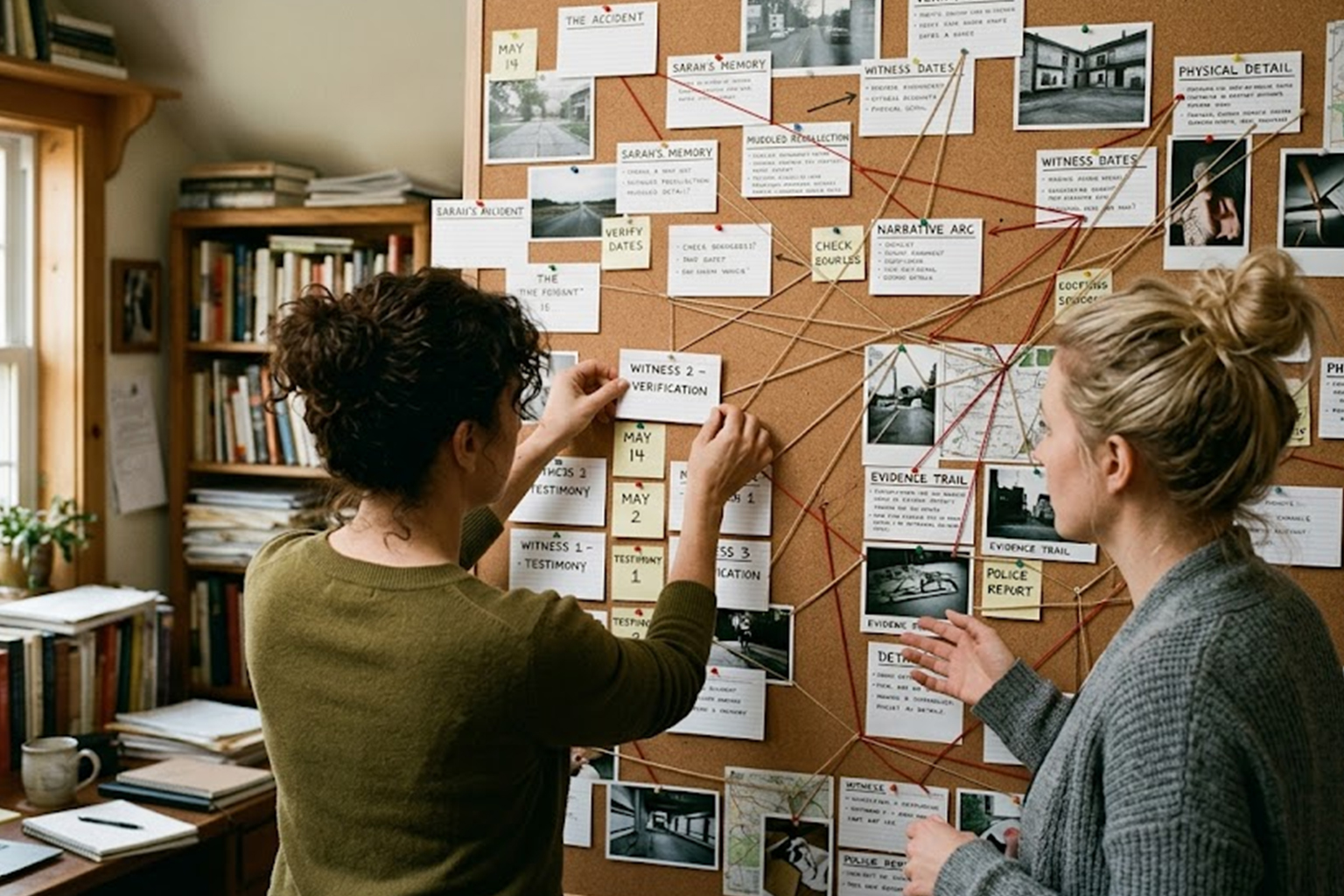
Writing creative nonfiction means shaping real events into readable, resonant narratives that hold a reader’s attention. Readers connect through scene, detail, and the writer’s clear point of view, so craft matters as much as memory. Effective nonfiction balances factual accuracy with narrative shape, allowing truth to emerge through carefully chosen moments. This article outlines practical techniques for developing scenes, balancing detail and structure, and honoring ethical limits while keeping prose engaging.
Find the Narrative Thread
Start by identifying a single through-line that organizes the material and gives the piece direction. That thread might be a driving question, an emotional transformation, or a specific conflict that recurs across scenes and reflections. Avoid including every event you remember; select moments that move the central idea forward and illuminate cause and consequence. A tight selection keeps the narrative focused and prevents the story from feeling episodic or scattered.
- Define the central question early.
- Choose scenes that illustrate shifts in perspective or stakes.
Create a simple outline that maps scenes to your through-line and prune anything that does not contribute. This discipline helps sustain momentum and deepens reader investment.
Shape Scenes and Stakes
Scenes are the engines of nonfiction: they show character through action, dialogue, and sensory detail rather than summarizing events. Open scenes with a concrete image or a line of dialogue to place the reader immediately, and close them with a small unresolved question or consequence to propel the narrative. Reconstruct conversations carefully, distinguishing memory from verbatim quotes when necessary, and use selective detail to clarify stakes. Stakes need not be dramatic; even subtle emotional shifts can create meaningful investment.
Arrange scenes so each one advances understanding or raises tension in some way. When stakes accumulate, the larger narrative gains urgency and coherence.
Use Detail to Illuminate, Not Overwhelm
Specific, well-chosen details make events vivid, but every detail should serve character, theme, or mood rather than acting as mere ornament. Favor sensory anchors—what a character sees, hears, smells, or touches—that reveal personality or context, and opt for precise verbs and nouns to keep prose energetic. Vary sentence length and rhythm to let significant details register without fatigue. Editing should focus on eliminating surplus description that distracts from the piece’s emotional core.
- Anchor scenes with one vivid sensory image.
- Replace abstract adjectives with concrete actions or objects.
Strong editing clarifies which details earn a place and which dilute the narrative’s impact. Precision keeps readers engaged and the story persuasive.
Ethics and Accuracy
Nonfiction writers must balance creative shaping with responsibility to truth and to the people involved in the story. Verify facts where possible, label reconstructed scenes or composite characters transparently, and consider how publication might affect subjects. Obtain consent when dealing with sensitive material and be mindful of power dynamics that could influence how a story is received. Ethical clarity bolsters trust with readers and protects the dignity of those portrayed.
If reconstruction is necessary, include an author’s note explaining methods and decisions. Transparency about technique is part of ethical nonfiction practice.
Conclusion
Writing compelling nonfiction requires both craft and conscientiousness as you transform memory into narrative. Focus on a strong through-line, vivid scenes, and purposeful detail while maintaining ethical clarity about sources and reconstruction. Practice these techniques, revise with discipline, and let honesty guide your creative choices.