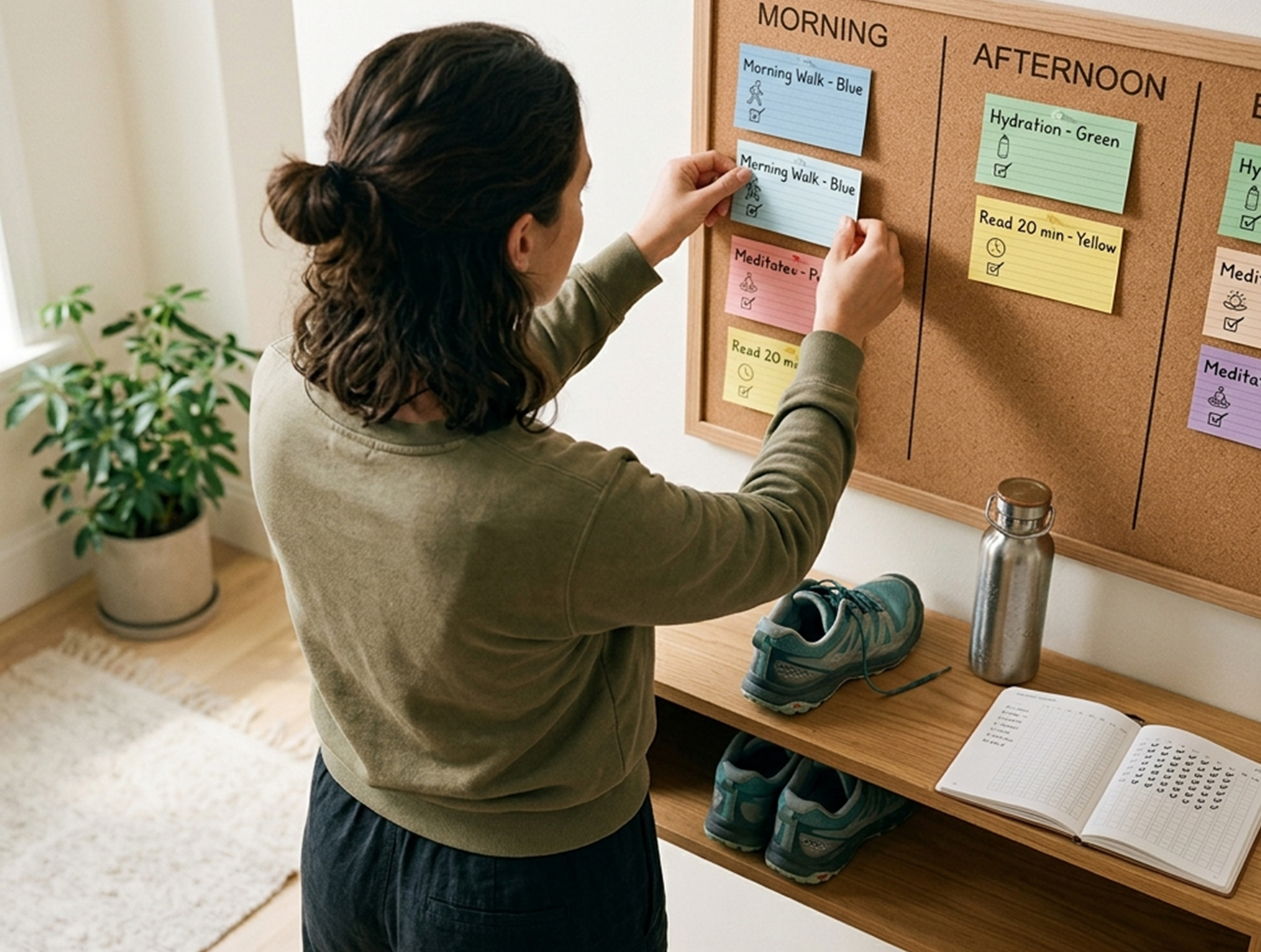
Building routines is less about willpower and more about structure and clarity. Small, consistent actions compound over weeks and create meaningful change in how you work and live. When routines align with priorities, they reduce decision fatigue and free mental space for creativity. This article outlines practical steps to design routines that are realistic, measurable, and adaptable.
Why predictable routines matter
Predictable routines create a framework that supports consistent behavior and reduces the need for daily deliberation. They anchor priorities by translating intentions into concrete actions that happen automatically. That predictability helps preserve cognitive resources and reduces stress when schedules become busy. Over time, repeated actions establish habits that feel effortless and reliable.
Establishing routines is also a way to protect time for what matters most, such as focused work or rest. By treating routines as structural commitments, you increase the likelihood of long-term adherence.
Designing routines that stick
Start with a single, specific behavior and attach it to an existing part of your day so it becomes a natural cue. Keep expectations modest at first and build gradual increases to avoid burnout or resistance. Design the environment to reduce friction, for example placing tools or reminders where you will see them. Include an element you enjoy to create positive reinforcement and make repetition more attractive.
Clarity, simplicity, and repetition are the core principles that help routines survive change. When a routine feels sustainable, it is much more likely to endure through busy or stressful periods.
Measuring progress and making adjustments
Track a small set of indicators that reflect the routine’s effectiveness, such as frequency or duration, rather than vague outcomes. Regular review lets you spot patterns, celebrate wins, and identify when a routine needs tweaking. If a routine consistently fails, examine contextual barriers like time, energy, or competing commitments before abandoning it. Adjustments can be as simple as shifting timing, reducing scope, or adding support from others.
Honest feedback and minor course corrections preserve momentum and prevent discouragement. Treat routines as experiments: iterate until you find a version that aligns with your life and goals.
Support systems and ritualization
Routines become easier when supported by social accountability and small rituals that mark transitions. Sharing goals with a colleague or friend introduces gentle pressure and encouragement that sustain effort. Rituals like a short warm-up or closing routine help signal the brain that a different mode is starting or ending. Over time these social and ritual cues reduce friction and increase the reward of consistency.
Seek simple accountability methods and celebrate small milestones to keep motivation alive. These social structures make routines less solitary and more resilient over time.
Conclusion
Designing routines that are simple, measurable, and enjoyable improves consistency and reduces stress. Start small, review progress regularly, and be willing to adapt rather than punish yourself for setbacks. Sustainable routines create the conditions for steady growth and a more balanced life.