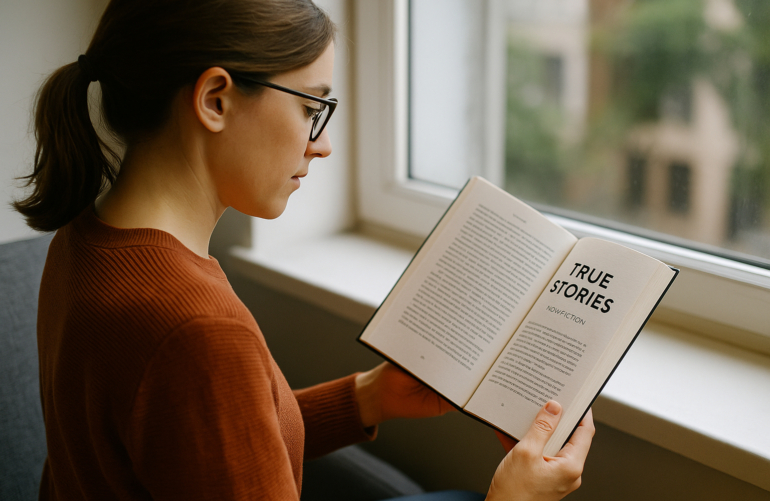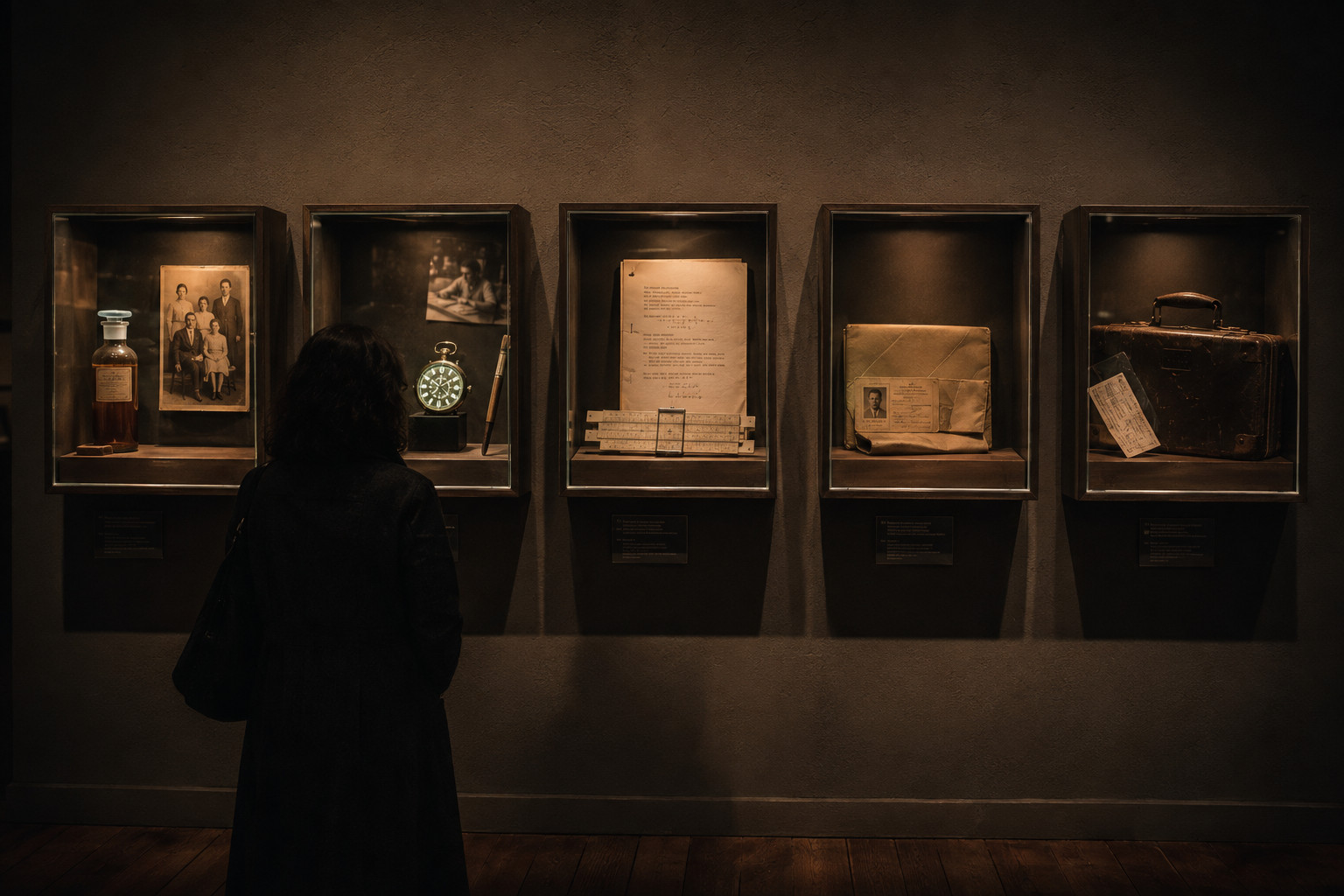
Some of the most gripping nonfiction asks you to meet people history let sit just out of the spotlight. These five books put those lives front and center—scientists and factory workers, mathematicians and migrants, people who reshaped institutions simply by living through them. If you like reading that expands what you thought you knew about the past and the present, start here.
The Immortal Life of Henrietta Lacks — Rebecca Skloot
Skloot follows a single, extraordinary medical story and the family at its heart. The book traces how cells taken from Henrietta Lacks became one of science’s most important tools and how that medical milestone intersected with questions of consent, race, and legacy. It reads like a personal history stitched into scientific reporting, and it stays with you because it keeps the Lacks family visible throughout.
The Radium Girls — Kate Moore
Moore brings to life the factory floors and courtrooms where women who painted luminous watch dials fought for recognition and compensation after radium poisoning devastated their lives. The narrative balances the intimate—workers’ daily routines and friendships—with the larger forces of industry and law. It’s a sharp, humane account of ordinary people pushing back against corporate power.
Hidden Figures — Margot Lee Shetterly
Shettlerly profiles the Black women mathematicians whose calculations helped send rockets into space. The book blends biography and social history, showing how brilliant, overlooked professionals navigated segregation, career ceilings, and a rapidly changing technological landscape. It feels celebratory without glossing over the obstacles they faced.
Stasiland — Anna Funder
Funder records conversations with people who lived under East Germany’s surveillance state—victims, perpetrators, and those caught somewhere between. Her approach is intimate and sharp: through oral history she reveals the small violences and strange compromises of life under constant monitoring. The book reads like a series of short, intense encounters that accumulate into a vivid portrait of a vanished system.
The Warmth of Other Suns — Isabel Wilkerson
Wilkerson traces the Great Migration through three individual lives, following the movement of millions who left the Jim Crow South for cities across the country. By anchoring sweeping demographic change in personal stories, the book makes the migration’s social and cultural effects immediate and human. It’s expansive history that never loses sight of the people who lived it.
Conclusion
Each of these books rescues overlooked lives from the margins and gives them the attention they deserve—read them for the stories, and stay for the ways they change the scenes you thought you knew.