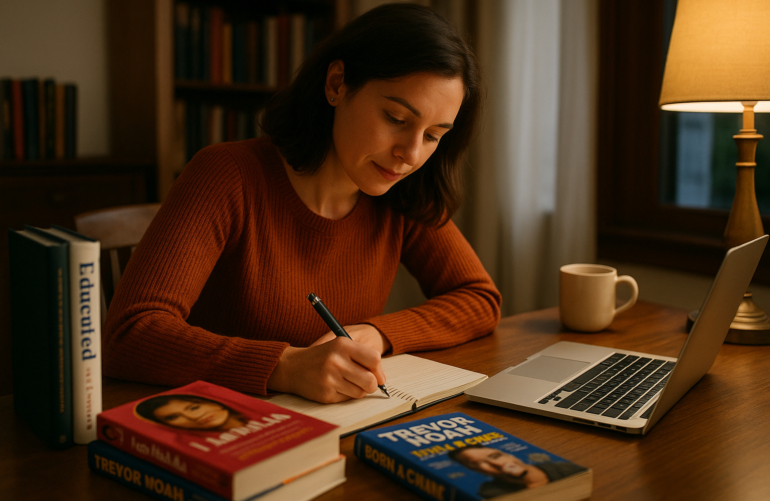
Strong short nonfiction begins with deliberate reduction rather than accumulation. Writers often believe meaning emerges from adding more scenes, details, or reflections, but clarity usually comes from what is removed. Deciding what the piece intends to do—pose a paradox, witness a change, answer a question—lets you test every sentence against that aim. The work of trimming becomes a discovery process that sharpens both voice and argument.
Define a Single Intent
Start by writing a one-sentence statement of purpose for the draft. It can be provisional and narrow: what you want the reader to notice, feel, or reconsider. When you have that focal line, evaluate scenes, anecdotes, and reflections against it and ask whether each item moves the reader toward that effect. This practice turns vague drafts into tests: anything that fails the test becomes a candidate for cutting or reshaping.
Keep the intent visible—pin it at the top of your document or recite it as you edit. Simple constraints create a productive pressure that improves choice.
Choose Scenes That Support That Intent
Not all scenes are equal; some escalate the point while others only decorate. Prefer scenes that show change, reveal contradiction, or supply a decisive detail that your reflection can hinge on. Short nonfiction benefits from scenes that carry both sensory concreteness and narrative implication; a small image that implies a larger truth often outperforms a summarized explanation. When in doubt, select the scene that forces a useful question or tension. A well-chosen scene should shift the reader’s attention from the specific to the universal.
Use transitions sparingly and let scenes be evidence rather than commentary. Readers will connect the dots if you provide purposeful anchors.
Edit by Subtraction: Remove What Distracts
After selecting your intent and primary scenes, cut anything that distracts from the line you’ve chosen. That includes interesting anecdotes that do not illuminate the intent, tangential background, or sentences that restate what scene already shows. Tighten language, reduce adjective bulk, and eliminate meta-commentary that interrupts momentum. Editing by subtraction helps the piece breathe and lets the chosen scenes speak with greater weight. Set aside a version of the draft that preserves excised material for possible future use.
Be ruthless with anything that dilutes focus; you can archive material for future pieces. Each deletion should clarify why the remaining material matters.
Conclusion
Intentional trimming is not about denying complexity but about revealing it more precisely. A narrower canvas can often hold a deeper truth, and disciplined cuts make that truth visible. Return to your intent regularly and let subtraction be your method of discovery.