Investigative books are a powerful form of storytelling that combines meticulous research, detailed analysis, and an unflinching desire to uncover the truth. Whether it’s a look into political corruption, unsolved mysteries, or historical events, investigative books often bridge the gap between journalism and literature, offering readers in-depth explorations of important issues. What makes investigative books so compelling is their ability to inform, engage, and, at times, inspire action.
What Makes Investigative Books Different?
Unlike traditional narratives, investigative books are driven by facts and real-world events. They often require authors to delve deeply into archives, interview sources, and cross-reference information from various outlets to uncover hidden truths. The focus is on accuracy, and the aim is to present the subject matter in an objective yet compelling way. What separates a great investigative book from a good one is the author’s ability to balance facts with a gripping narrative.
The Role of Research in Investigative Writing
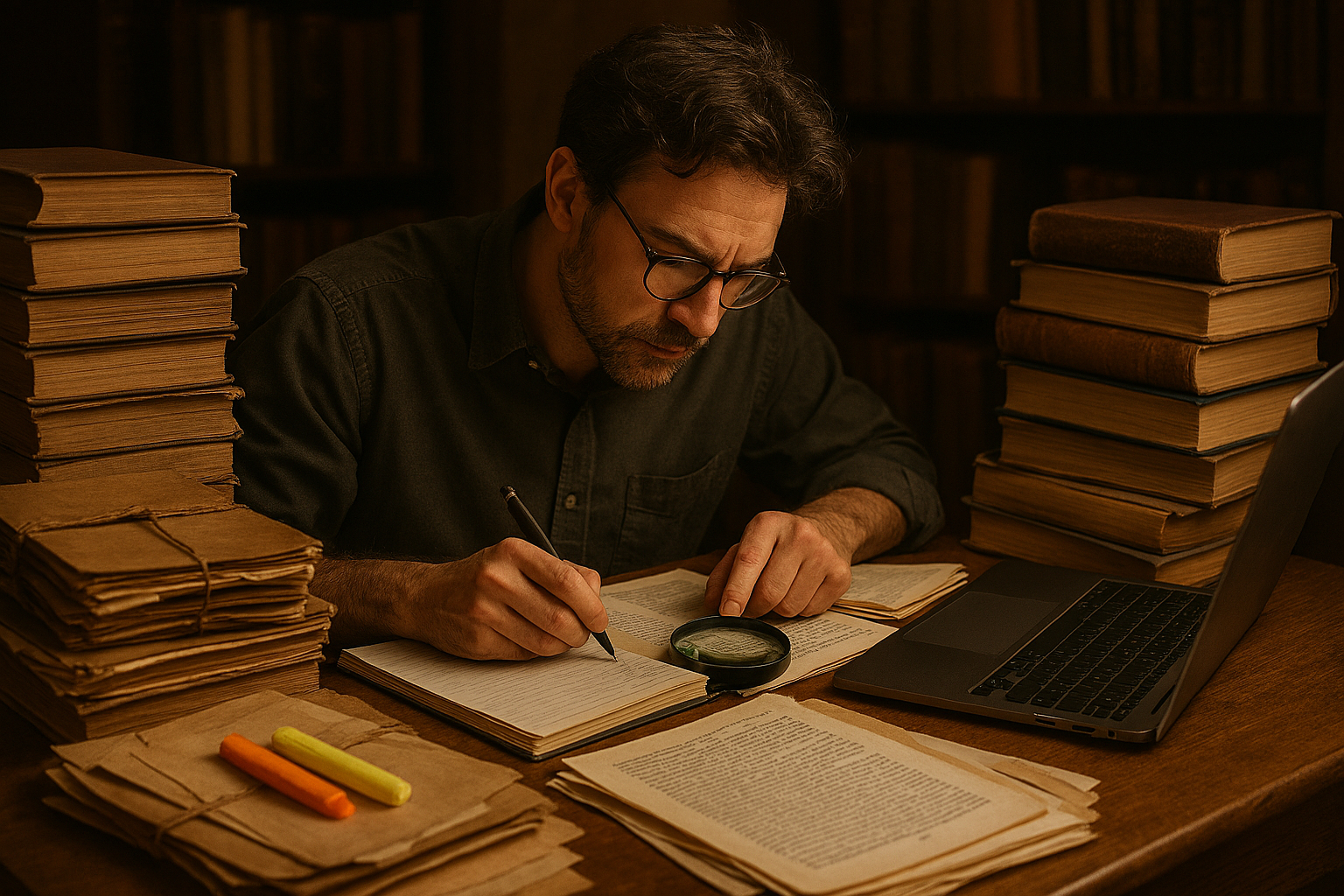
Research is the backbone of investigative writing. Authors must gather data from a variety of sources, including interviews, public records, government documents, and personal accounts. This research can span months, if not years, as authors work to ensure they have all the necessary information before forming conclusions.
For investigative books, the author’s commitment to truth is paramount. They have to sift through the noise and find the most relevant and impactful pieces of information. The ability to connect seemingly unrelated events or findings is a skill that many investigative writers hone over time.
Narrative Style and Storytelling Techniques
While facts drive investigative books, the way these facts are presented can make a significant difference in how engaging the book is. Authors must weave compelling narratives that make the material accessible without sacrificing detail. The best investigative books often read like thrillers, with rising tension, clear stakes, and characters who are deeply involved in the story, whether they’re heroes or villains.
Many successful investigative books are written in a way that invites the reader into the process, making them feel as though they, too, are uncovering the story piece by piece. The pacing, the structure, and the emotional stakes keep readers hooked, allowing them to feel the impact of the investigation unfold naturally.
Ethical Considerations in Investigative Writing
One of the unique aspects of investigative writing is its responsibility to uphold ethical standards. Authors must be careful not to misrepresent facts, rush conclusions, or compromise their sources. Investigative books often shine a light on sensitive topics, and authors must navigate the challenges of writing about potentially dangerous or controversial subjects.
Writers in this field must be prepared for resistance—whether it comes from powerful figures trying to suppress information or from the emotional toll of delving into painful historical events. An ethical investigative book holds itself accountable not only to the facts but also to the larger impact its findings may have on society.
Famous Investigative Books That Shaped Society
Some of the most influential books in modern history are investigative works that have changed the course of public opinion, informed policy changes, and sparked social movements. Books like “In Cold Blood” by Truman Capote, “The Jungle” by Upton Sinclair, and “The Immortal Life of Henrietta Lacks” by Rebecca Skloot highlight the immense power of investigative writing. These works not only captivated audiences with their storytelling but also exposed issues that needed to be addressed, leading to important conversations and real-world change.
Conclusion
The art of the investigative book is both a craft and a service to society. Investigative books shed light on important issues, bringing truth to the surface where it might otherwise remain hidden. They serve as important tools for social change, pushing readers to think critically about the world around them. Through relentless research and masterful storytelling, investigative writers create lasting impacts that continue to shape public discourse.