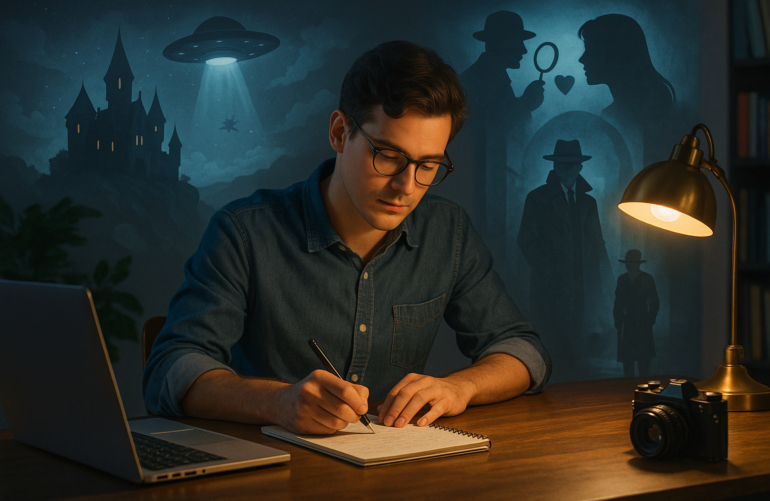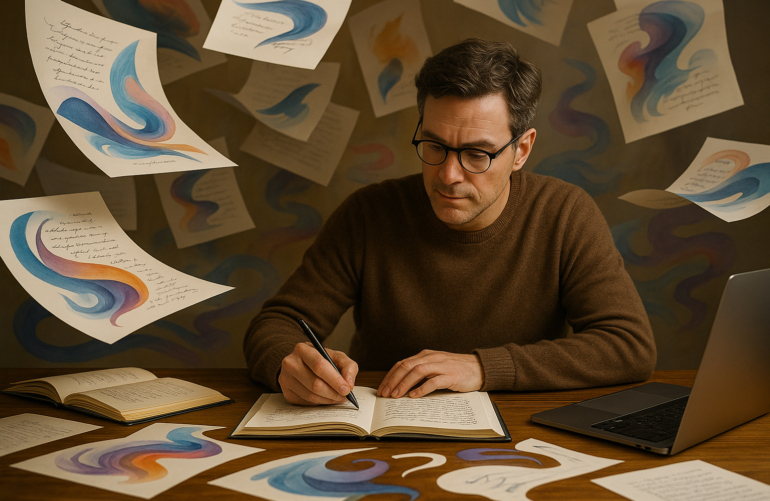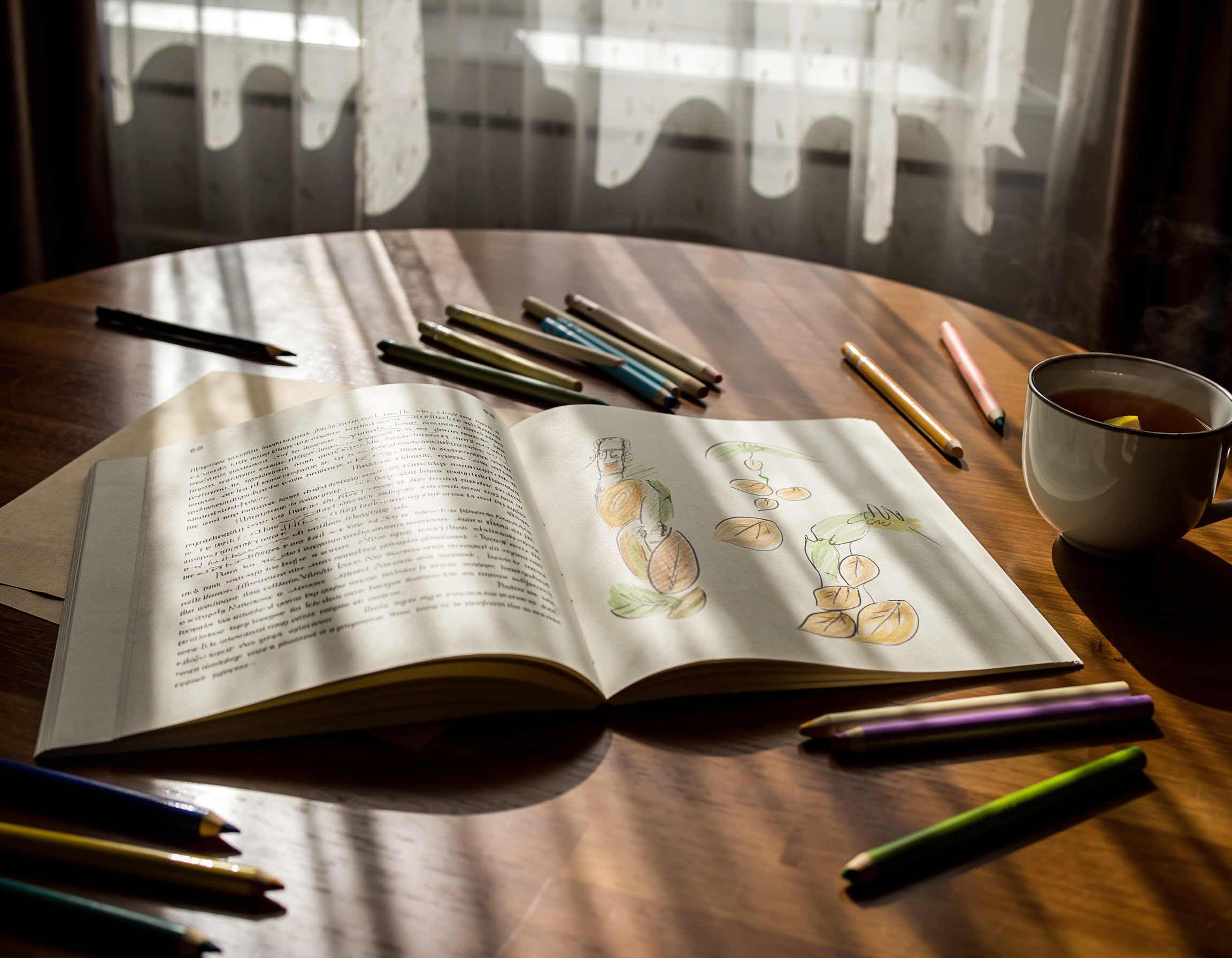
Hybrid literature is reshaping the way readers experience stories by blending visual art with written language. Instead of relying solely on text or imagery, hybrid works merge the two to create layered narratives that feel immersive, expressive, and emotionally rich. From graphic memoirs to illustrated poetry and experimental fiction, these fusion invites readers to engage with stories in a multidimensional way. As creative boundaries continue to expand, hybrid literature is becoming one of the most innovative forms of modern storytelling.
Expanding the Language of Storytelling
At its core, hybrid literature pushes past traditional formats to explore new ways of communicating ideas. Images, typography, sketches, and unconventional layouts work alongside text to convey emotions and themes that words alone might struggle to express. This blended approach allows creators to build texture and mood, offering readers a more sensory experience.
A Bridge Between Art and Narrative
Hybrid works often feel like a collaboration between literature and visual art. Rather than using illustrations as simple decoration, these pieces integrate imagery as an essential part of the narrative. Graphic novels, photo-essays, and multimedia memoirs use visual elements to deepen characterization, emphasize emotional beats, or symbolize internal conflicts. The result is a reading experience that feels both artistic and narrative-driven.
A Medium for Personal and Experimental Expression
Hybrid literature also provides a platform for creators seeking unconventional storytelling methods. Writers and artists use the form to experiment with structure, perspective, and pacing. This freedom invites readers to interpret the work through multiple layers — textual, visual, and emotional — creating a uniquely personal connection to each piece.
Conclusion
Hybrid literature represents an exciting evolution in storytelling. By merging visual art with text, it expands our understanding of how narratives can be crafted and experienced. As readers increasingly crave depth, creativity, and innovation, this genre continues to grow as one of the most compelling and boundary-breaking forms of modern literature.