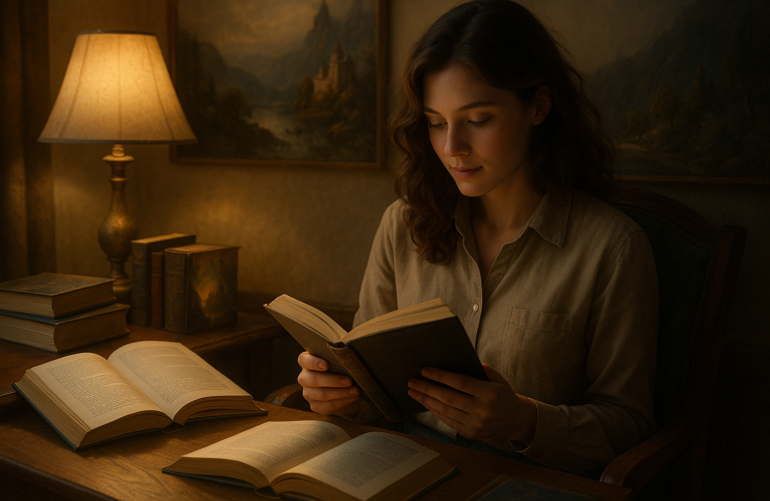
Gothic literature is experiencing a powerful resurgence, capturing modern readers with its eerie landscapes, emotional intensity, and psychological depth. While rooted in the traditions of the 18th and 19th centuries, today’s Gothic revival blends timeless themes with contemporary anxieties. This return to dark atmospheres and complex characters reflects a renewed desire for stories that explore fear, beauty, and the unknown.
Modern audiences crave narratives that balance mystery with meaning, and Gothic fiction offers both. The renewed interest highlights how deeply these themes resonate across generations, especially in a world where uncertainty and introspection feel increasingly familiar.
A Return to Atmospheric Worlds
One of the strongest forces behind the Gothic revival is its immersive setting. Stormy coastlines, candlelit hallways, looming castles, and forgotten ruins create an atmosphere thick with tension. These environments evoke emotions before the plot even begins. In contemporary works, these landscapes often merge with modern elements — abandoned factories, decaying mansions, or fog-covered cities — offering fresh takes while preserving the genre’s signature moodiness.
Modern Characters With Classic Complexity
Gothic protagonists have always been conflicted figures, torn between desire and dread. Today’s writers build on this tradition by crafting characters who reflect modern psychological struggles such as isolation, trauma, and identity. These complex individuals face both internal and external threats, drawing readers into emotional journeys that mirror the uncertainties of real life. The blend of vulnerability and strength makes them deeply relatable.
Timeless Themes in a New Light
Themes of madness, obsession, love, and the supernatural continue to shape Gothic literature. What’s changed is how these ideas are framed. Modern authors explore them through diverse perspectives, new cultural contexts, and expanded settings. This evolution keeps Gothic fiction relevant, offering readers stories that feel both haunting and meaningful. The genre’s symbolic depth — shadows, mirrors, hidden rooms — continues to captivate imaginations.
Why Gothic Literature Endures
The revival of Gothic literature proves its lasting emotional impact. Its exploration of fear, longing, and the unknown speaks to universal human experiences. In a digital age filled with fast information and bright screens, Gothic fiction offers a slower, more atmospheric escape — one that blends darkness with beauty. Its ability to evolve while staying true to its haunting roots is what keeps the genre alive and thriving.
Conclusion
Gothic literature’s revival showcases its timeless appeal. With rich settings, deeply human characters, and themes that echo through history, the genre continues to enchant modern readers. As new voices reinterpret dark storytelling traditions, Gothic fiction remains a compelling reminder of how fear and fascination intertwine within the human experience.