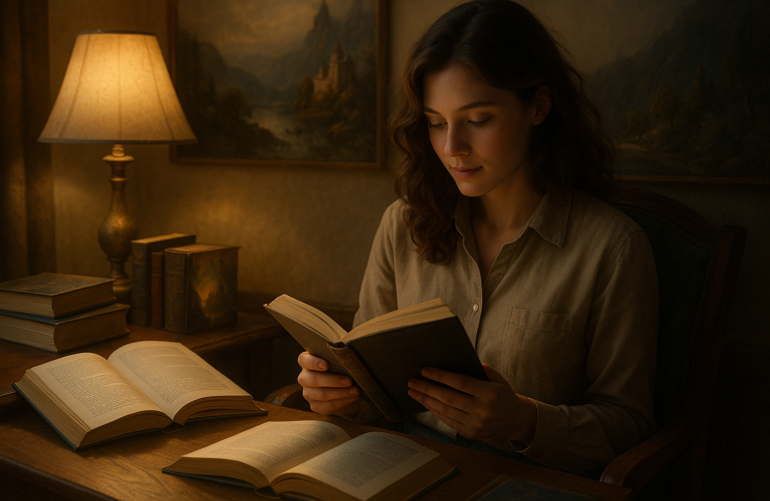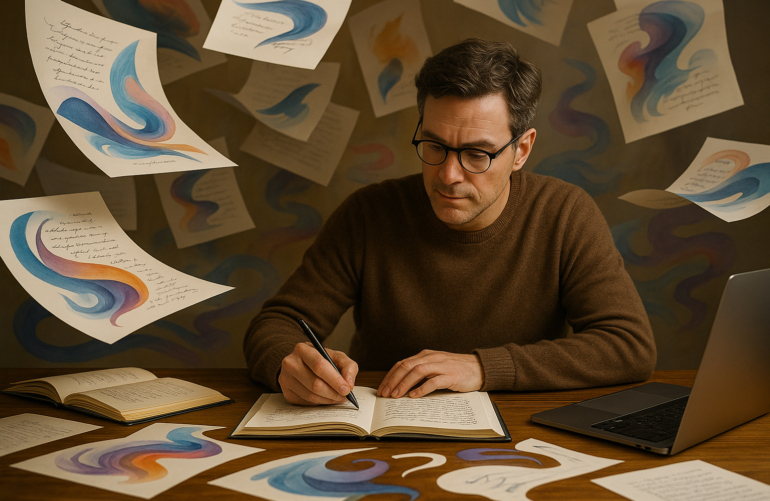
Poetry has always been a reflection of human emotion, culture, and imagination—but today, it is experiencing a powerful transformation. Modern readers are discovering poetry in new formats, new voices, and new platforms that make the genre more accessible than ever before. From social media snippets to spoken-word performances, poetry is breaking traditional boundaries and finding fresh ways to connect with audiences who crave authenticity, brevity, and emotional resonance. This reinvention is shaping a renewed appreciation for the art form in the digital age.
New Platforms Bringing Poetry to Life
Technology has played a major role in reshaping how poetry is consumed. Social platforms like Instagram, TikTok, and Twitter have given rise to “micro-poetry,” allowing writers to share concise, impactful lines reaching millions instantly. These digital spaces encourage experimentation, visual storytelling, and community-building, transforming poetry from a niche art into a widely shared cultural experience.
A Shift Toward Relatability and Real Voices
Modern poetry often prioritizes clarity, emotional honesty, and real-world themes, making it more relatable for everyday readers. Instead of formal structures or dense symbolism, contemporary poets explore identity, mental health, love, loss, and social justice in language that feels direct and authentic. This shift has made poetry feel less like an academic exercise and more like a personal conversation.
Spoken Word and Performance Revival
The rise of spoken-word poetry and live performance events has energized the genre even further. Performers use voice, rhythm, and movement to bring poems to life, creating shared experiences that resonate deeply with audiences. Platforms like YouTube and live streaming have expanded the reach of these performances, turning poets into storytellers who bridge written and oral traditions.
Blending Poetry With Other Art Forms
Today’s poets blend their work with music, photography, animation, and digital art to create immersive experiences. Hybrid formats—such as video poems, illustrated verses, and multimedia storytelling—give poetry new dimensions. This fusion not only attracts younger audiences but also pushes the boundaries of what poetry can be.
Conclusion
Poetry’s evolution is proof that timeless art forms can adapt beautifully to modern sensibilities. By embracing new platforms, new voices, and innovative ways of expression, poetry continues to inspire and connect with readers in meaningful, unforgettable ways. Its reinvention ensures that the art of language remains vibrant, relevant, and deeply human.