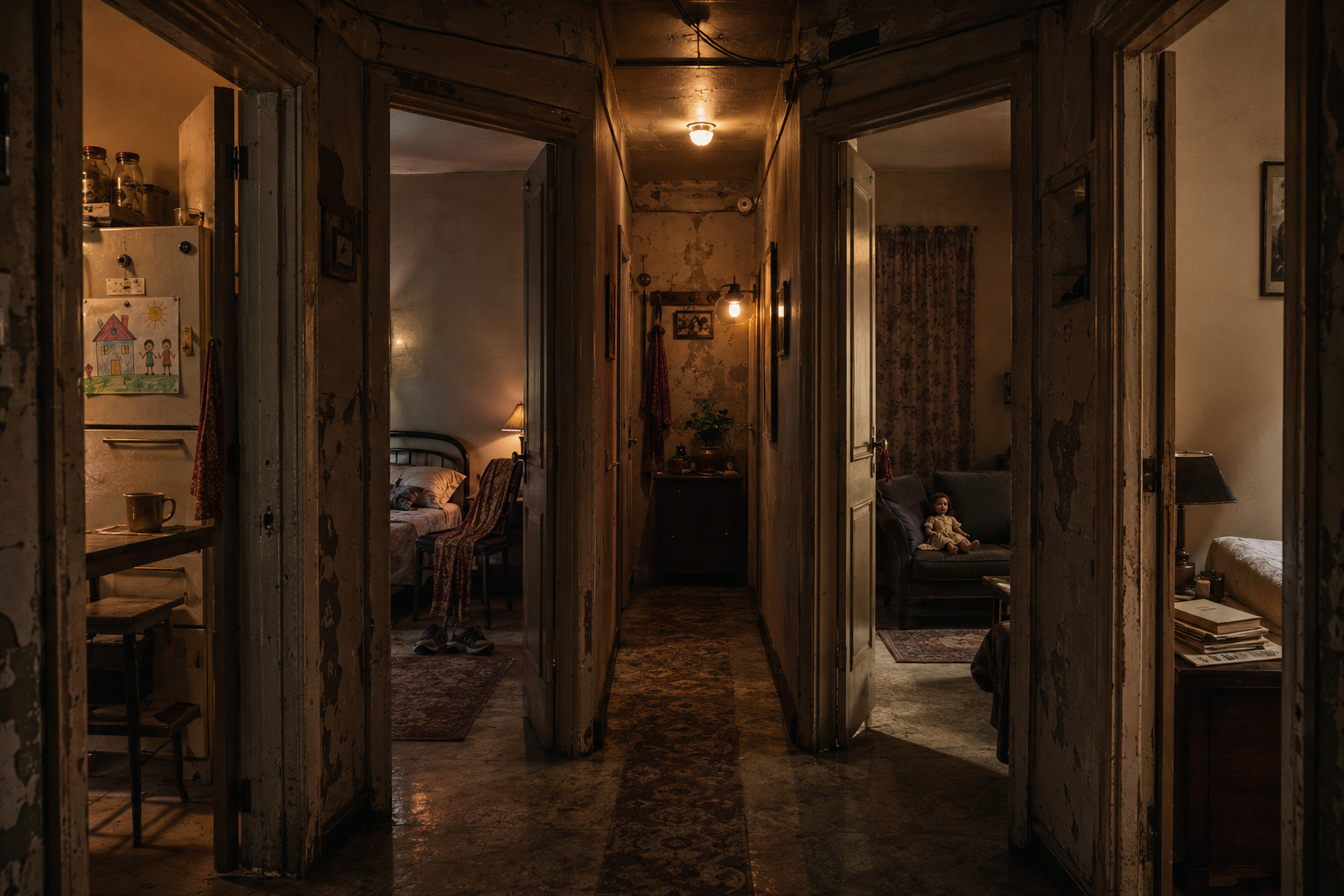
What We Talk About When We Talk About Love — Raymond Carver
Carver’s stories are spare, rooted in kitchens, bar stools, and the small violences of everyday speech. These pieces can feel like overheard conversations that gradually reveal more than the characters mean to say: marital friction, regret, and sudden tender mercy. Read a story or two between chores and you’ll come away keyed into the textures of ordinary loneliness.
Tenth of December — George Saunders
Saunders blends compassion with the weird, often placing vulnerable people in slightly askew circumstances. The collection moves from darkly comic to quietly heartbreaking in a few pages; passages about suburban or small-town settings surprise you with moral weight. These are stories that linger after the last line.
Her Body and Other Parties — Carmen Maria Machado
If you like the domestic turned uncanny, Machado’s debut threads myth, feminism, and body-centered horror into contemporary household scenes. Kitchens and bedrooms become sites of memory and menace. A trigger warning is sensible: some stories contain bodily violence and surreal dread, which is integral to their point rather than gratuitous shock.
Interpreter of Maladies — Jhumpa Lahiri
Lahiri’s prose is precise and intimate. Her stories often center on families navigating cultural dislocation, marriage, and the quiet fractures that open up between people who love each other. These are graceful, observational pieces—perfect for readers who want emotional clarity wrapped in domestic detail.
The Lottery and Other Stories — Shirley Jackson
Jackson is the master of the uncanny in the banal. Her work makes suburbia feel precarious: familiar streets and social rituals acquire an edge that unsettles. A short warning—several stories contain disturbing twists; their power lies in how they reframe ordinary gatherings and traditions.
No One Belongs Here More Than You — Miranda July
July writes with a quirky, intimate voice that finds strangeness in small domestic moments. These stories are playful and odd, often centered on the interior lives of women trying to connect, perform, or simply exist in cluttered apartments and awkward social scenes. If you want something whimsical and slightly offbeat, start here.
Conclusion
Each of these collections treats the domestic as a gateway: to humor, to horror, to compassion. Pick one based on mood—quiet empathy, eerie unease, or sharp wit—and let a single story change how you look at the ordinary rooms and people around you.