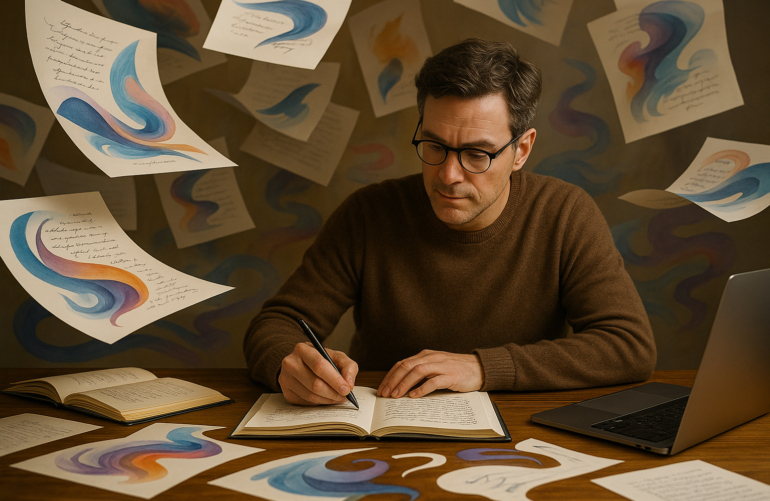
Short fiction can be an efficient tool for sharpening attention and refreshing creativity without a major time commitment. When approached as a micro-practice, brief stories offer compact emotional and imaginative experiences that can reset your thinking between tasks. This piece outlines practical approaches for making short fiction a steady part of a creative routine. The suggestions are adaptable whether you read, write, or both.
These methods favor consistency over intensity and aim to make small literary encounters useful throughout your day. They are suitable for people juggling deadlines who still want to nurture imaginative clarity.
Benefits of a Short-Fiction Practice
Working with short stories supports rapid perspective shifts: a single scene can expose a new voice, image, or problem-solving approach in a few minutes. Regularly encountering varied narratives trains the mind to notice detail, metaphor, and emotional nuance more readily. That heightened sensitivity often carries over to other creative tasks, helping you generate fresher ideas and solve problems with more associative thinking.
Additionally, the compact nature of short fiction reduces friction: it’s easier to commit to five or twenty minutes than an open-ended reading or writing session. This lowers the barrier to forming a consistent habit.
Practical Steps to Build the Habit
Start by setting a brief, explicit goal: one story per day, a single paragraph of flash fiction, or a five-minute read at a scheduled break. Keep a small, rotating list of reliable sources and favorites so you can choose quickly when you have a free moment. Pair the practice with an existing routine, such as morning coffee or an afternoon pause, to anchor it in your day.
Track tiny wins to reinforce momentum. A simple checklist or a note in your journal can turn sporadic reading into a visible streak that encourages continuation.
Examples of Mini Sessions
Try a five-minute observational write after reading a short scene: note a detail that surprised you and sketch its possible backstory. Alternatively, read one short story and jot three feelings or images it left with you; then apply one of those images to a current creative problem. Another option is timed flash fiction: set a ten-minute timer and write the smallest complete narrative you can.
These short exercises combine reading and active reflection, turning passive encounters into generative prompts for longer work.
Conclusion
Short fiction practices are lightweight, repeatable ways to cultivate attention and idea generation. Small, deliberate encounters with stories can sharpen creative clarity without large time investments. Commit to one micro-practice and let it grow into a dependable source of inspiration.