Short-form fiction offers concentrated narratives that fit easily into busy days.
With modest time investment, brief stories can sharpen observation and spark creative thinking.
The key is consistency: a quick, repeatable approach turns occasional reads into a productive habit.
This piece outlines a practical framework to make short-story reading steady, intentional, and rewarding.
Why short-format reading works
Short stories present complete arcs in limited space, which helps readers practice focus and interpretive agility. They demand attention to detail while allowing immediate closure, so a single session can yield a clear emotional or intellectual response. Repeated exposure to compact narratives trains pattern recognition and encourages comparative reading across themes and styles. Over time these small practices compound into broader reading fluency and sharper creative instincts.
Because sessions are brief, the barrier to starting is low and the habit is easier to sustain. Small wins accumulate and build momentum for longer projects or deeper study.
Designing a repeatable short-story session
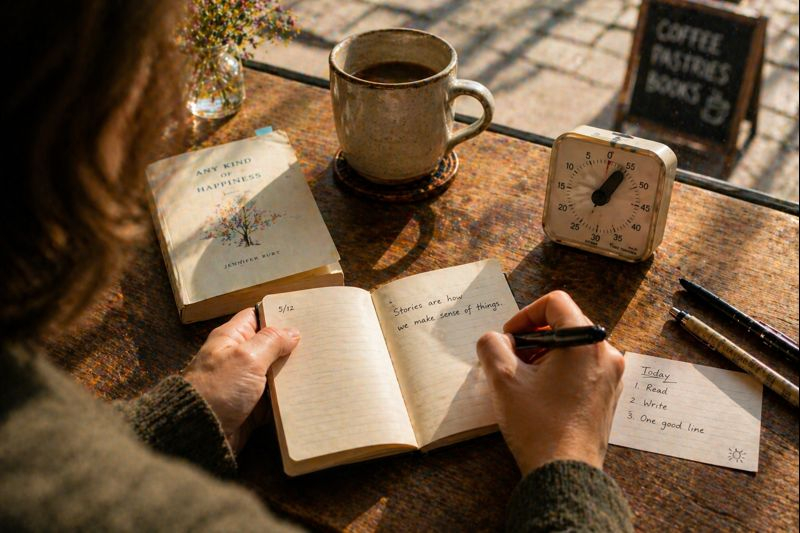
Timebox each session to a realistic window, such as fifteen to thirty minutes, and stick to that limit to ensure regularity. Choose a simple selection strategy: rotate authors, follow a theme, or pick random microfiction to introduce variety. Keep a single notebook or digital note where you jot a line of reaction, a striking image, and one question the story raises. Treat annotation as part of the ritual rather than an added chore.
Consistency matters more than intensity; aim for daily or several-times-weekly sessions rather than occasional deep dives. Over weeks, the notes become a compact archive to revisit for insights and inspiration.
Deepening insight from brief reads
To get more from short pieces, pair reading with a short follow-up practice such as freewriting, a quick sketch, or a two-minute verbal summary. Re-reading after a pause often reveals structural choices and tonal shifts that initial impressions miss. Occasionally discuss a story with a peer or online group to surface alternative readings and subtle implications. These practices convert fleeting encounters into material for reflection and creative use.
- Freewrite for five minutes on the story’s emotional core.
- Note a memorable sentence and rewrite it in a different voice.
- Compare two stories on the same theme and list contrasts.
Small, varied follow-ups maintain engagement and expand what you learn from each piece. Over time these habits deepen attention and make brief fiction a reliable creative resource.
Conclusion
Short-form reading is effective because it lowers activation energy and rewards consistent attention.
A simple, timeboxed ritual with minimal recording turns sporadic interest into sustained practice.
Adopt small, repeatable steps and let accumulated encounters shape sharper thinking and creative momentum.