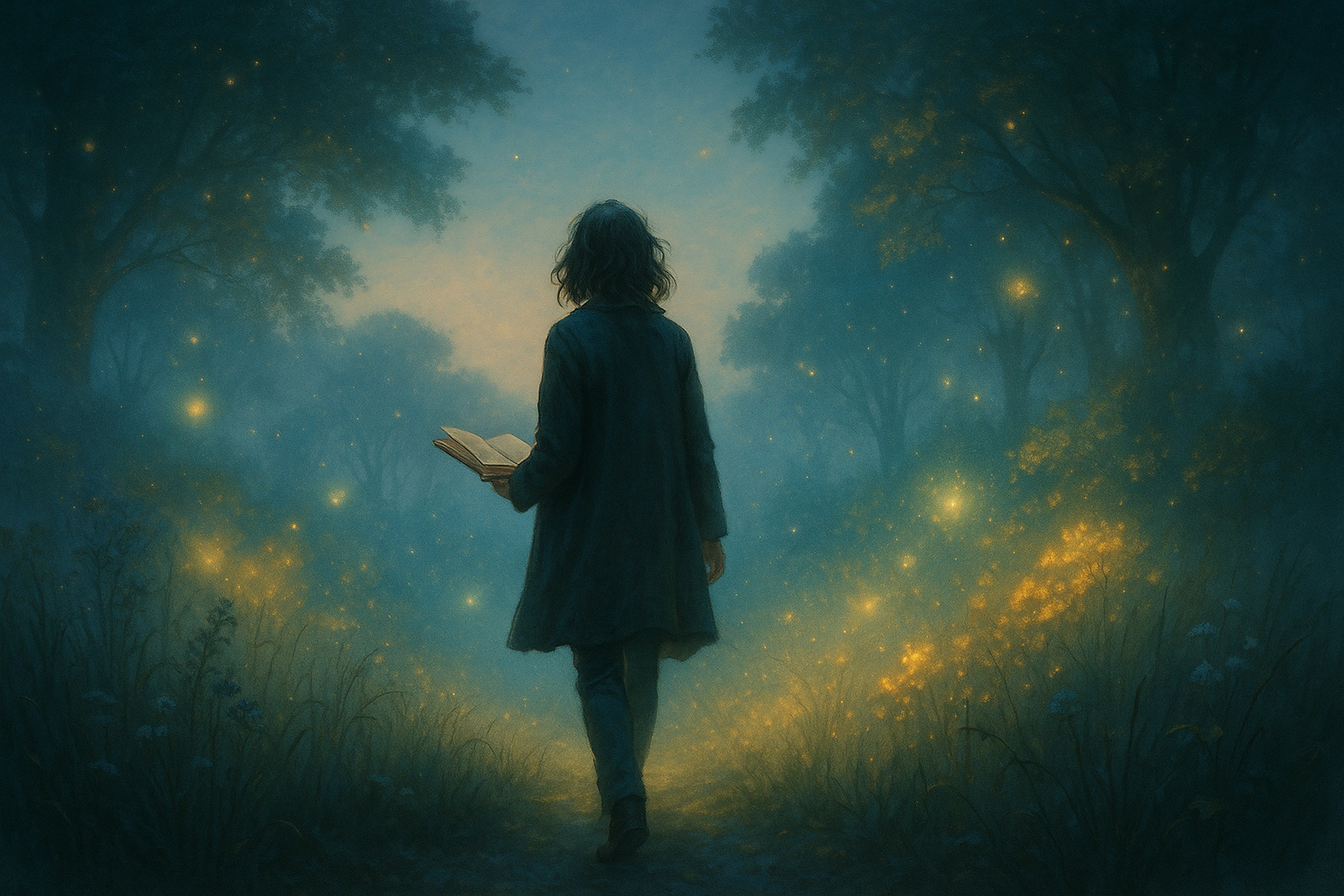
In the vast landscape of literature, few genres blend the ordinary and the extraordinary as seamlessly as magical realism. It’s a style that blurs the line between the real and the fantastic — where miracles unfold in everyday life, and the impossible feels entirely natural. From Latin American legends to Asian folklore and African storytelling, magical realism transcends borders. Its appeal lies not only in its imagination but in how it captures universal truths through the language of wonder.
Defining the Magic in the Everyday
Magical realism is not about wizards or mythical worlds; it’s about finding enchantment within reality itself. In these stories, extraordinary events — a ghost’s visit, a time that stands still, or a tree that remembers — are treated as ordinary facts of life. This balance between the real and the surreal allows readers to experience the world through both logic and emotion. The “magic” isn’t there to escape reality; it’s there to reveal it more deeply.
Roots in Cultural Storytelling
The roots of magical realism stretch across continents, reflecting cultural beliefs and collective memory. In Latin America, authors like Gabriel García Márquez used the genre to express the region’s rich blend of history, myth, and political struggle. In Africa and Asia, oral traditions and folklore naturally infused storytelling with the mystical — spirits, ancestors, and nature all played roles in shaping human life. Magical realism became a universal language through which cultures could honor their heritage while questioning the modern world’s obsession with reason.
Bridging the Seen and the Unseen
One of the reasons magical realism resonates across cultures is its ability to bridge what is visible and invisible. It gives voice to emotions, memories, and spiritual forces that defy explanation but feel profoundly real. In many societies, the supernatural is not separate from daily life — it’s intertwined with it. By portraying these elements naturally, magical realism validates different ways of knowing and believing. It reminds readers that reality is not defined by science alone but by imagination, faith, and experience.
A Mirror for Society
Beyond fantasy, magical realism often serves as subtle social commentary. Its dreamlike narratives allow authors to critique injustice, colonization, or oppression without direct confrontation. When the extraordinary becomes normal, truth can be told more freely. The magic acts as a metaphor — a way to express pain, resilience, and hope. Readers across cultures find comfort and power in these stories because they speak to the human condition: the desire to find meaning in chaos and light in darkness.
The Emotional Connection
What truly gives magical realism its timeless appeal is emotion. Readers don’t just admire the magic; they feel it. A levitating grandmother or a talking river may sound absurd, but within the story, they evoke nostalgia, grief, or joy. The magic amplifies emotion rather than replacing it. In a world often obsessed with logic and speed, these stories slow us down and remind us of life’s mysteries — those quiet, unexplainable moments that define what it means to be human.
Conclusion
Magical realism endures because it speaks a universal truth: that reality is richer, stranger, and more beautiful than it seems. It connects cultures by celebrating both the tangible and the spiritual, the everyday and the impossible. Through its pages, readers glimpse a world where logic meets wonder — and where the boundaries of belief fade into imagination. No matter where the story comes from, magical realism reminds us that the magic we seek often lives right before our eyes.