Pop culture has become one of the strongest forces shaping how modern genres evolve and resonate with audiences. Music, film, television, social media, and gaming no longer exist in isolation; they constantly borrow from and influence one another. As trends spread instantly across platforms, genres adapt faster than ever, reflecting shared cultural moments and collective moods. What once took decades to evolve can now shift within a few years. Modern genres are increasingly defined by this dynamic, cross-cultural exchange.
Pop Culture as a Creative Catalyst
Pop culture acts as a living reference point for creators. Iconic films, viral moments, fashion trends, and music styles inspire new narrative tones and aesthetics. Genres absorb these influences, blending familiar elements with contemporary relevance. This process keeps genres fresh, allowing them to evolve alongside audience expectations. Creators who tap into pop culture effectively can make traditional genres feel modern and immediate.
Genre Blending and Reinvention
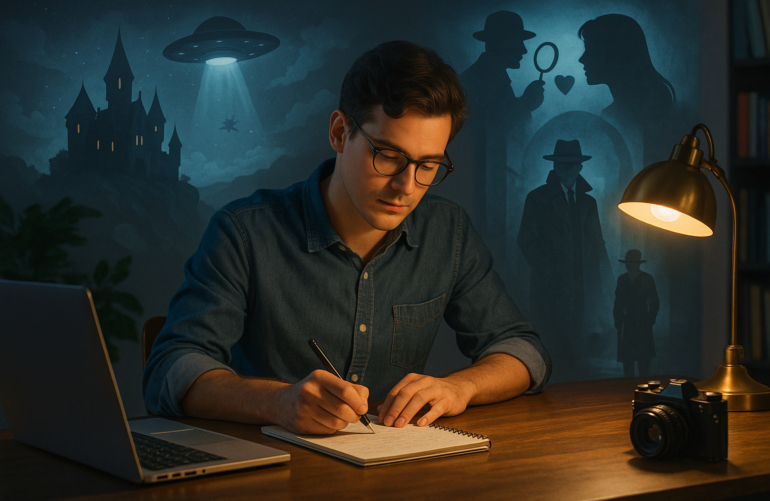
One of the clearest impacts of pop culture is the rise of genre blending. Comedy merges with drama, science fiction overlaps with social commentary, and fantasy incorporates modern humor and themes. Pop culture normalizes this mixing by exposing audiences to diverse styles daily. As a result, rigid genre boundaries soften, making room for experimentation and hybrid storytelling. These blended genres often feel more reflective of real life, which rarely fits into neat categories.
Audience Expectations and Participation
Pop culture doesn’t just influence creators—it shapes audiences too. Viewers and readers bring shared references and expectations into every new story. Memes, fan theories, and online discussions actively shape how genres are received and even how future content is developed. This feedback loop encourages genres to evolve in dialogue with audiences rather than in isolation. Participation has become part of the genre experience itself.
Technology, Trends, and Speed
The rapid spread of pop culture through digital platforms accelerates genre evolution. Streaming, short-form content, and global access expose creators to worldwide influences instantly. Genres now reflect not only local traditions but global cultural conversations. This speed allows genres to respond quickly to social change, making them more relevant and adaptive than ever before.
Cultural Reflection and Social Commentary
Modern genres increasingly act as mirrors of pop culture’s concerns and values. Themes around identity, technology, power, and belonging often emerge from broader cultural conversations. By embedding these ideas into genre storytelling, creators make entertainment both engaging and meaningful. Pop culture gives genres a shared language through which social commentary can reach wide audiences.
Conclusion
The influence of pop culture on modern genres has transformed storytelling into a fluid, collaborative process. By driving reinvention, blending styles, and shaping audience expectations, pop culture keeps genres alive and evolving. In a connected world, genres no longer stand still—they move with culture itself.