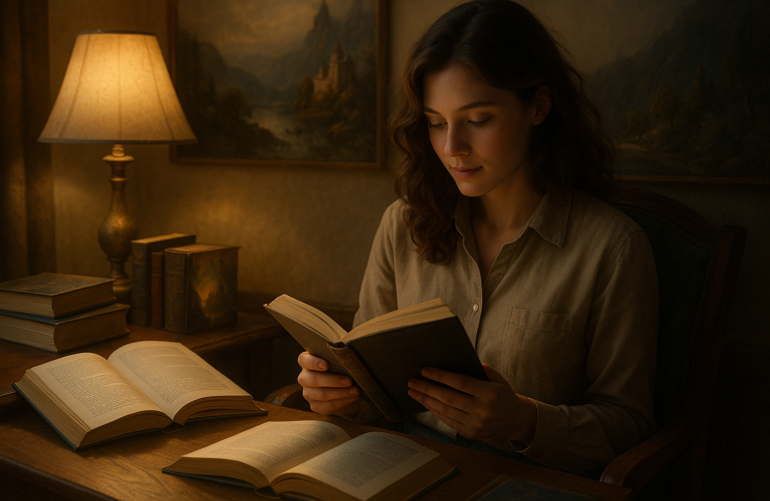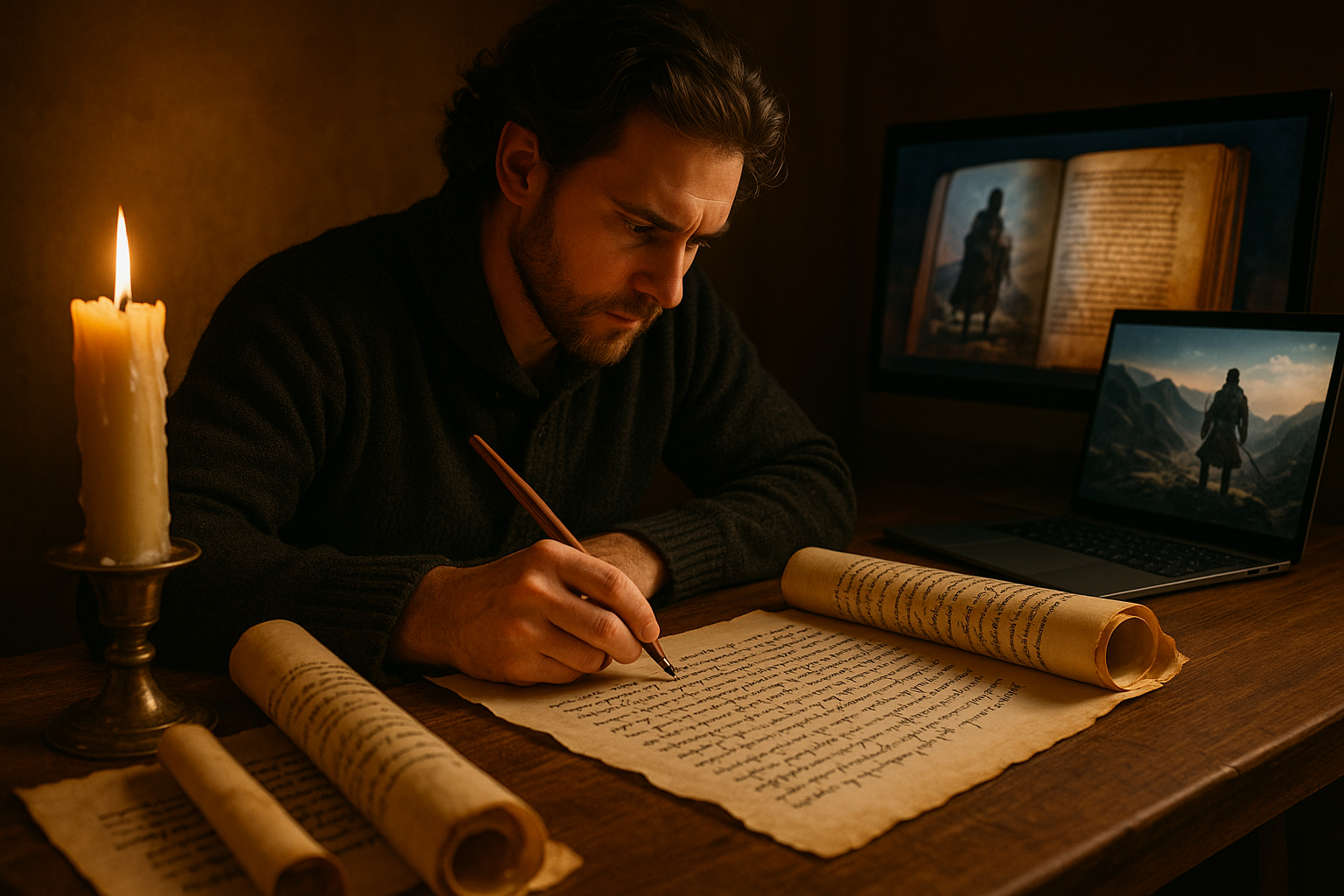
Long before novels or films, stories of heroes and civilizations were told through epic poems. These grand narratives — filled with adventure, morality, and human struggle — shaped the world’s earliest cultures. From The Odyssey to The Mahabharata, epic poetry was how societies remembered their past and defined their values. Today, in a world ruled by short content and fast media, the epic poem is making a quiet but powerful return — reimagined for modern voices and audiences.
A Timeless Form of Storytelling
The epic poem has always been more than just a story. It’s a celebration of human endurance, purpose, and identity. Traditional epics combined mythology, history, and moral reflection, blending entertainment with lessons about life and leadership. Their rhythm and structure were designed for oral performance, allowing them to live in memory before being written down. Even centuries later, their echoes can be heard in modern storytelling — from novels and films to music and digital art.
Modern Voices, Ancient Forms
Contemporary writers are rediscovering the epic’s power to convey timeless themes in fresh ways. Today’s epics no longer revolve solely around kings or warriors; they explore identity, migration, climate, and technology. By adopting poetic structure and scale, modern poets elevate everyday struggles into something mythic. Works that merge traditional verse with contemporary language remind readers that the epic form isn’t ancient — it’s evolving. Through rhythm and repetition, these works reconnect audiences with the emotional resonance that prose often lacks.
The Digital Renaissance of Poetry
Ironically, technology has helped revive long-form poetry. Online platforms, spoken-word performances, and podcasts have introduced poetic storytelling to new audiences. Readers and listeners crave depth in a world of brevity — and the epic poem offers exactly that. It combines the emotional punch of verse with the immersive sweep of a novel. Artists are experimenting with multimedia epics that blend music, visuals, and interactive elements, proving that the ancient art form still adapts beautifully to modern tools.
Why the Epic Still Matters
At its heart, the epic poem fulfills a human need: the desire for meaning. It asks fundamental questions — Who are we? What do we stand for? How do we endure loss and change? By exploring these questions on a grand scale, epic poetry unites personal emotion with collective experience. Its heroes may be fictional, but their journeys mirror our own battles with ambition, fear, and purpose. In a fragmented age, the epic poem restores continuity — reminding us that our struggles are part of a much larger human story.
A Revival Rooted in Connection
The return of the epic isn’t just literary nostalgia — it’s cultural renewal. As readers seek authenticity and substance, they are rediscovering the power of language to elevate experience. The epic poem thrives again because it speaks to the same impulse that created it thousands of years ago: the need to remember, to imagine, and to endure.
Conclusion
The epic poem’s resurgence proves that no art form ever truly fades — it simply evolves. In a time of instant communication and fleeting trends, the return of long, lyrical storytelling reminds us that endurance, both in art and life, is what defines greatness. The modern epic isn’t about ancient heroes; it’s about the courage to tell stories that matter — stories that connect us across time, place, and generation.