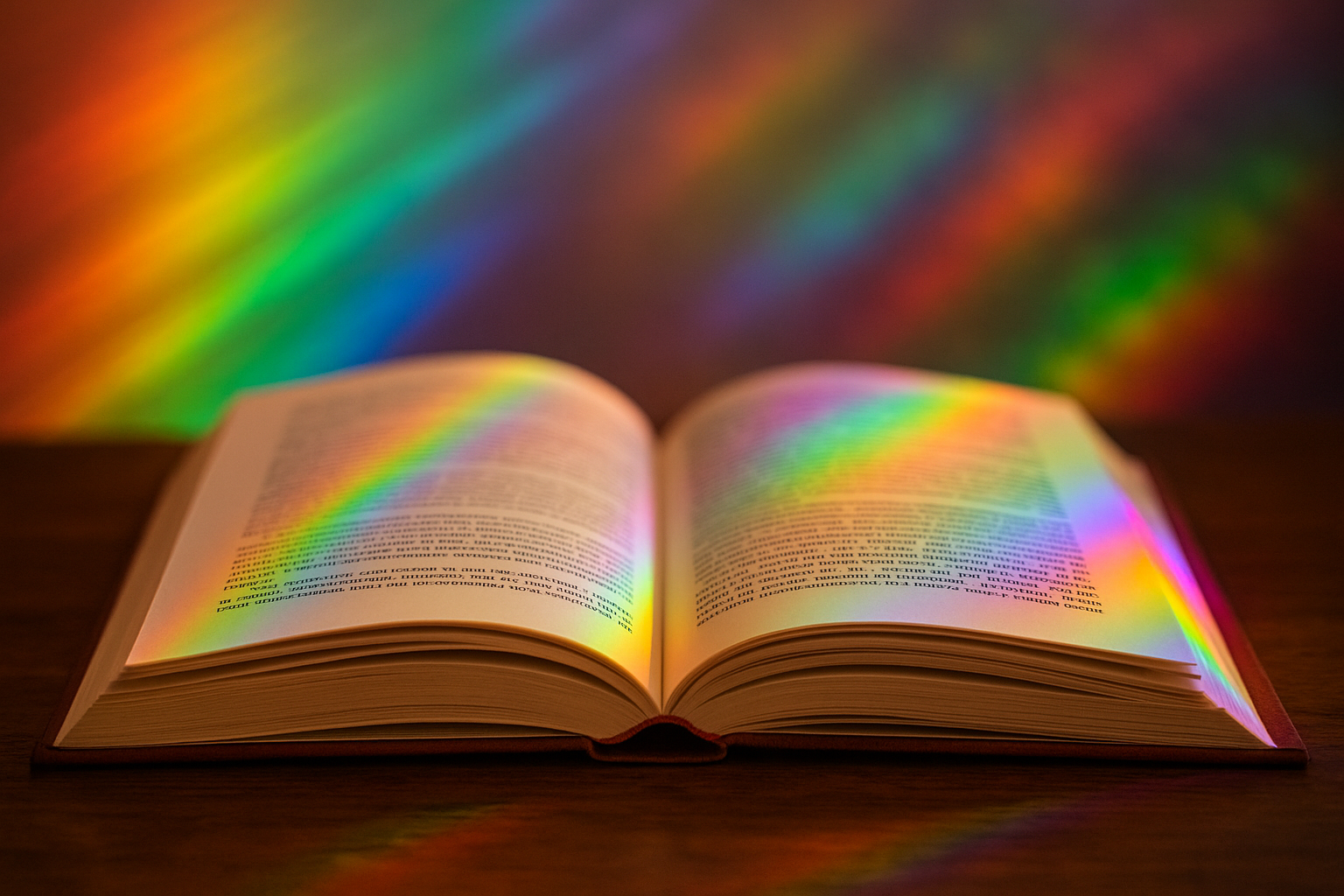
Literature has always reflected the human experience — its triumphs, struggles, and transformations. In recent decades, LGBTQ+ narratives have moved from the margins to the mainstream, reshaping how stories about love, identity, and belonging are told. The rise of these voices in literature is not just a trend; it’s a cultural milestone that celebrates diversity, authenticity, and the universal need for understanding.
From Silence to Visibility
For much of literary history, LGBTQ+ stories were hidden, coded, or erased. Writers had to disguise themes of same-sex love or gender identity through symbolism or subtext. As social awareness grew, authors began to write more openly, paving the way for voices that reflected the realities of queer experience. This gradual emergence transformed literature from a space of secrecy into one of visibility and validation.
Expanding the Definition of Love and Identity
Modern LGBTQ+ literature broadens the emotional and cultural dimensions of storytelling. It challenges narrow portrayals of love, family, and self-discovery by offering narratives that are deeply personal yet universally resonant. These stories go beyond sexuality or gender — they explore courage, loss, hope, and the search for acceptance. Readers of all backgrounds find themselves drawn to these themes because they speak to something fundamental: the desire to be seen and understood.
The Future of Inclusive Storytelling
As society continues to evolve, so will its stories. LGBTQ+ literature is no longer confined to a genre; it spans romance, history, fantasy, and memoir. Emerging writers are blending identity-driven narratives with bold creative forms, proving that representation strengthens, rather than limits, artistic expression. The future of literature will be defined by how well it continues to reflect the full spectrum of human experience — without boundaries or bias.
Conclusion
The rise of LGBTQ+ narratives in literature is a testament to progress — both artistic and social. What was once silenced is now celebrated. These stories remind readers that diversity is not a deviation from the human story but its essence. By embracing every voice, literature continues to evolve — and in doing so, helps humanity see itself more clearly, compassionately, and completely.