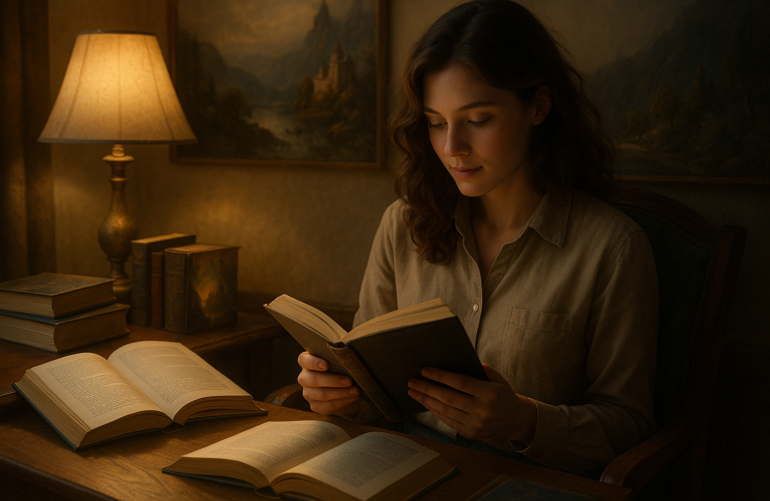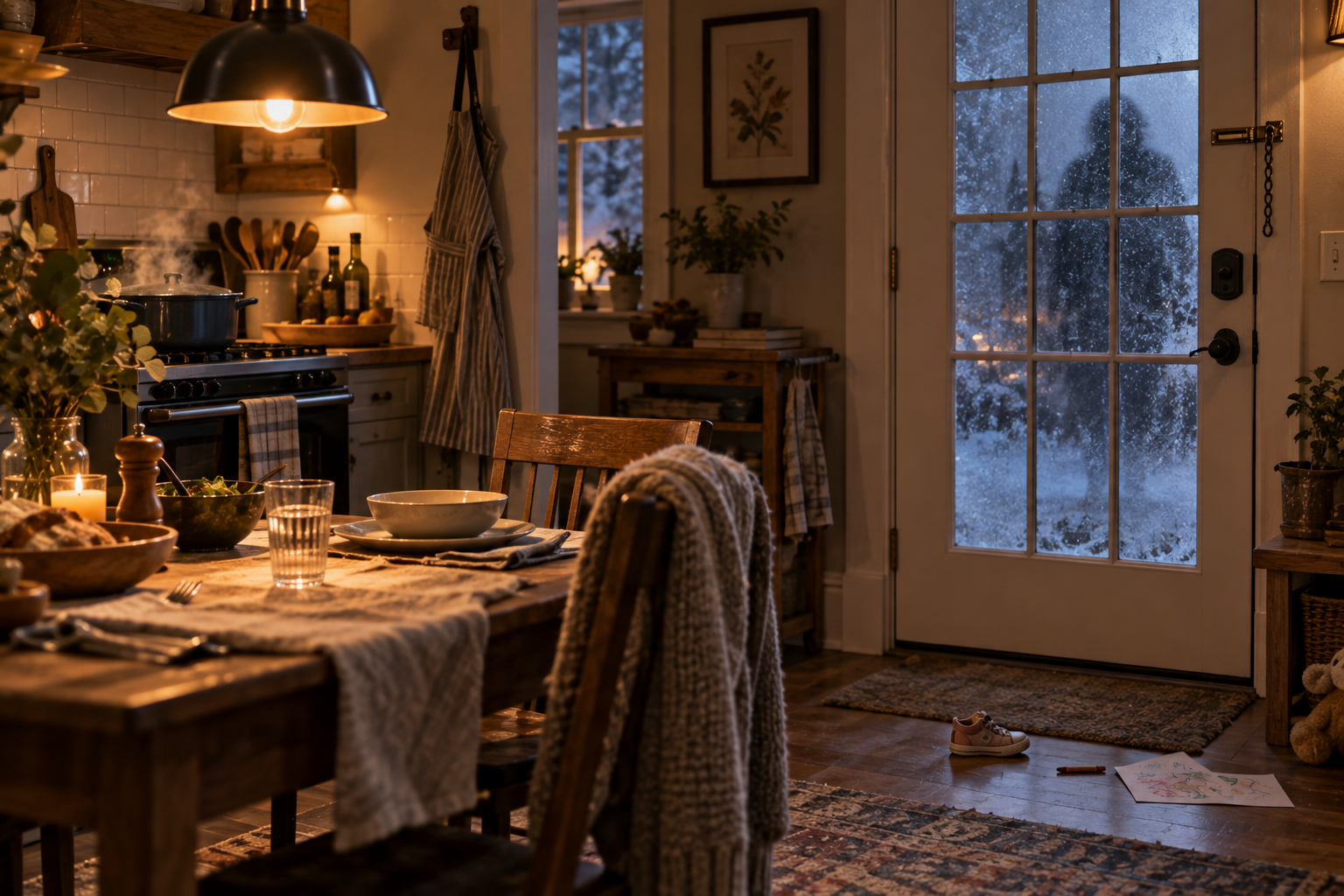
Home should feel familiar: the hum of a heater, the smell of dinner, the squeak of a stair. These books take that comfort and tilt it just enough—sometimes slowly, sometimes with a single shattering revelation—so that your own rooms feel suddenly less certain. If you like stories that unsettle domestic calm without resorting to cheap scares, start here.
We Have Always Lived in the Castle — Shirley Jackson
Jackson’s novel is a study in enforced isolation. Two sisters live together in a house shrouded by rumor and suspicion, and the narrator’s calm, eccentric voice makes the oddness sit like wallpaper. It’s quietly uncanny: ordinary household routines become markers of a vanished normalcy, and the sense of a private world under siege lingers long after the last page.
Room — Emma Donoghue
Told largely through the eyes of a five-year-old, this novel compresses the idea of home into one confined space. The narrative balances tenderness and tension—parental devotion, daily rituals, and the claustrophobia of captivity. The book turns the familiar into a place of both refuge and imprisonment, and reading it reshapes how you imagine safety and routine.
Little Fires Everywhere — Celeste Ng
Ng’s sharp rendering of suburbia exposes how carefully arranged homes and schedules can hide deep moral compromises. Two families collide—different backgrounds, different ideas about motherhood and art—and the novel traces how small choices inside tidy houses spiral outward. It’s a simmering portrait of how domestic order depends on unsaid agreements.
The Little Stranger — Sarah Waters
Set in a decaying country estate, Waters builds a slow, atmospheric unease where history and memory press on the present. The house itself feels almost alive—its ordinary rooms hold a weight that bends the lives inside them. Read it for the creeping sense that architecture can remember and demand things of its inhabitants.
Sharp Objects — Gillian Flynn
Flynn locates danger in the everyday: a hometown, a family home, a mother’s presence that is both protective and harmful. The novel’s tone is brittle; it finds the grotesque inside ordinary domestic details. If you want tension braided with family secrets and a voice that refuses sentimentality, this will keep you turning pages.
Honorable Mention: The Haunting of Hill House — Shirley Jackson
Another Jackson entry, this one more explicitly Gothic, where the house amplifies fear and psychological fracture. It’s famous for good reason: the ways a building can unsettle its residents are rendered with uncanny precision.
Conclusion
Pick Jackson for classic, slow-burn unease; Donoghue when you want intimacy and pressure; Ng for simmering suburbia; Waters for haunted domestic decay; Flynn for sharp, psychological edges. Each of these novels will make you look at your own door a little differently.