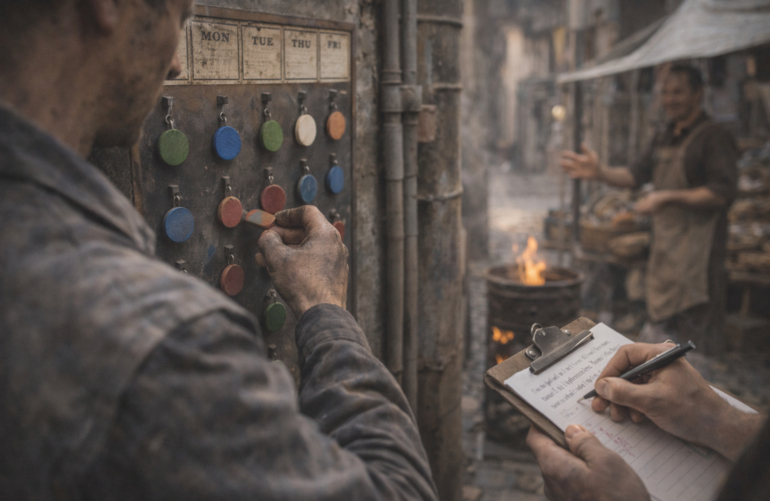
Nonfiction succeeds when it turns observation into clear, compelling prose that readers trust and remember. This piece outlines practical approaches writers can use to find narrative through facts while preserving accuracy. It focuses on spotting meaningful details, shaping structure…
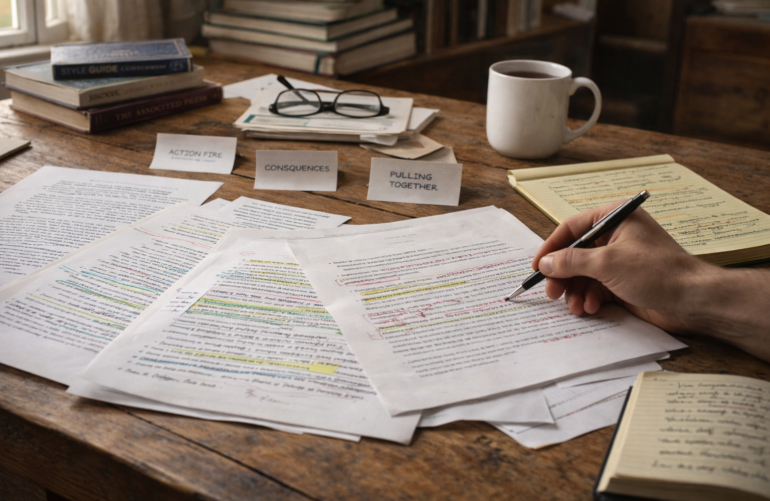
Nonfiction storytelling requires attention to both truth and craft to engage readers beyond facts. A strong narrative shapes information into a sequence that reveals meaning, not just data. This article outlines practical approaches to focus, detail, structure, and voice…
Short fiction is a compact way to engage imagination and attention. A daily ritual around brief stories can sharpen observation, invite reflection, and create a steady creative practice. Unlike longer works, short narratives ask for focused reading and immediate…
Brief fiction offers concentrated emotional and sensory experiences that are easy to fit into a busy day. A single short story can rehearse perspective taking, sharpen attention to detail, and model narrative choices in a few hundred or thousand…
An ordinary object placed with intention can become a sustained source of unease in mystery and thriller fiction. When a mundane prop carries memory, contradiction, or hidden use, it asks readers to look closer and to suspect more than…
Small interruptions and understated revelations are powerful tools for building suspense without spectacle. When ordinary moments are fractured by a door that won’t close or a call that cuts off, readers feel the world tilt. This article examines practical…
Short fiction succeeds when each moment feels chosen and charged, and when emotional turns arrive with clarity and surprise. Writers working in limited space must decide which details to keep and which to let fade, shaping the reader’s experience…
Short fiction succeeds when readers step into a world that feels lived in from the first line. That immediacy comes from choices a writer makes about detail, point of view, and the rhythm of revelation. Rather than attempting to…
When speculative settings present systems of wonder, grounding those systems in daily life makes them feel lived-in. Readers connect faster when magical or futuristic mechanics interact with ordinary needs and routines. This piece explores practical ways to weave mechanics…
Daily patterns and quiet procedures anchor even the wildest imagined worlds. They tell readers what life feels like beyond the exotic headline technologies or rituals. Attending to how people move, trade, pray, and repair reveals a culture’s priorities. These…