Some of the best short fiction arrives like a small household object set on a table: ordinary at first glance, then slowly revealed to hold storms, grief, or stubborn joy. These collections trade big plot mechanics for sharp observation—neighbors,…
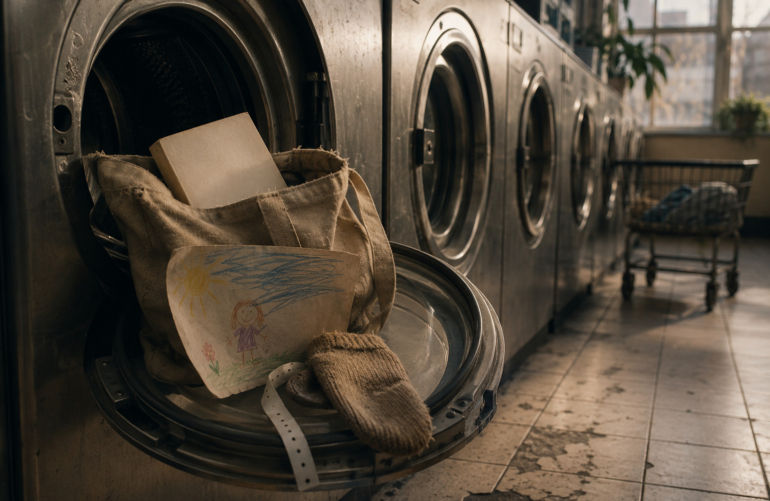


Some of the best short fiction arrives like a small household object set on a table: ordinary at first glance, then slowly revealed to hold storms, grief, or stubborn joy. These collections trade big plot mechanics for sharp observation—neighbors,…
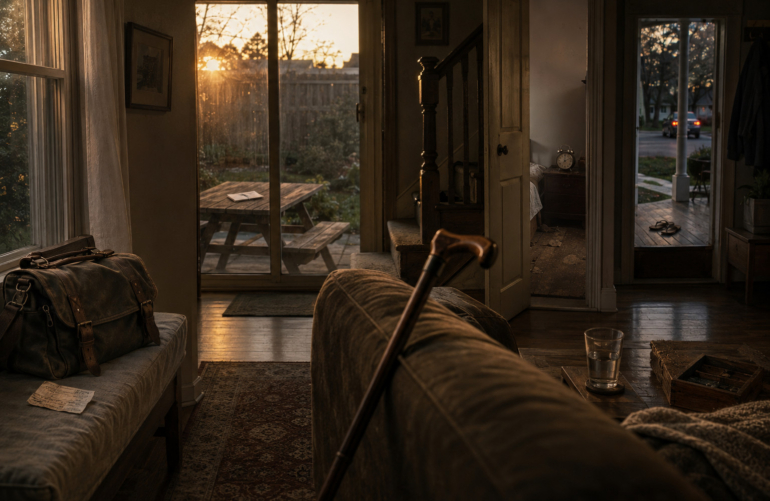
Short fiction can feel like a magnifying glass: a single incident, an ordinary hour, and suddenly everything in a character’s life tilts. Below are five short stories that live inside one charged moment or evening. They’re compact enough to…

Short fiction often gains its power by anchoring the reader in a single, decisive moment. When you choose that moment with care, the rest of the story radiates outward. This approach forces clarity of detail, pacing, and emotional trajectory.…
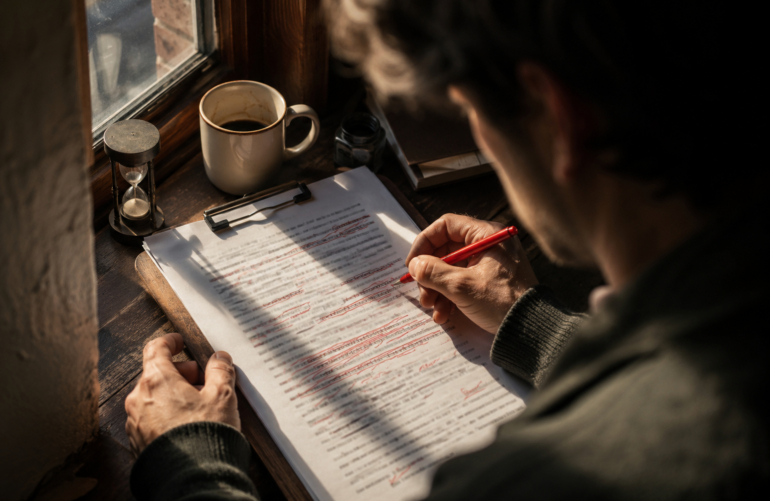
Constraint in short fiction is not an absence but a shaping force that focuses attention and meaning. When a writer limits scene, span, or perspective, choices become clearer and the story sheds surplus explanation. Tight focus compels precision—verbs, details,…

Introduction In the house at the bend of the river, a lantern waited on a windowsill where memories gathered like dust. It had seen festivals and quiet afternoons, children tracing imaginary coasts on wooden floors. One evening, a draft…
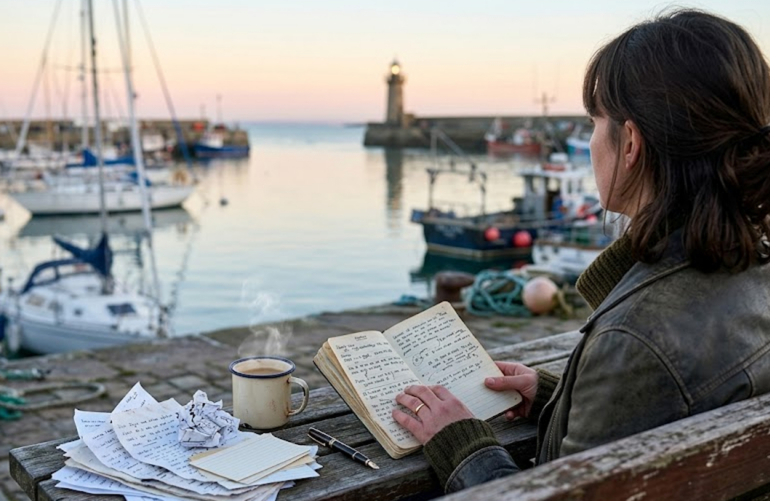
Introduction Stories often arrive with loose edges, characters whispering of lives beyond a single chapter and settings that feel partially mapped. Writing fiction is as much about tending those loose ends as it is about finding what ties them…

A single clear action can serve as the hinge of a short story. It focuses attention, reveals character, and sets motion without excess. Choosing that action — small, decisive, visible — helps shape the scene. This piece offers practical…

Short fiction often hinges on a single, decisive act that changes everything for the characters involved. Recognizing which small deed carries narrative weight helps a story feel inevitable rather than incidental. This article outlines practical ways to identify and…

Short fiction often gains its power from a single, well-chosen moment that reveals much more than it shows. By focusing on one scene you can compress character, conflict, and theme into an immersive, economical experience. This approach asks writers…

Choose a single pocket of time and let it hold the weight of your story. This concentrated moment gives you a clear focal point for character choice, sensory detail, and narrative tension. By narrowing the lens you invite readers…