Introduction Short fiction offers a concentrated space to explore longing, discovery, and transformation. This guide examines practical techniques that help writers shape atmosphere, economy, and resonance. We will focus on sensory detail, character compression, and the use of suggestion…

Short fiction thrives on compression: a single small scene can reveal a life, a choice, or a relationship as fully as a novel. Writers who focus on intimate moments learn to trust implication and to let detail do the…
Every short story begins with a moment that feels charged, a small hinge on which everything pivots. Turning that hinge into motion means allowing the scene to ripple outward without diluting its intensity. This requires choosing which forces press…
A well-chosen decision can do the heavy lifting in a short story, turning otherwise ordinary moments into lasting narrative pressure. When a writer centers a compact, deliberate choice, the story gains direction, economy, and emotional weight without excess plotting.…
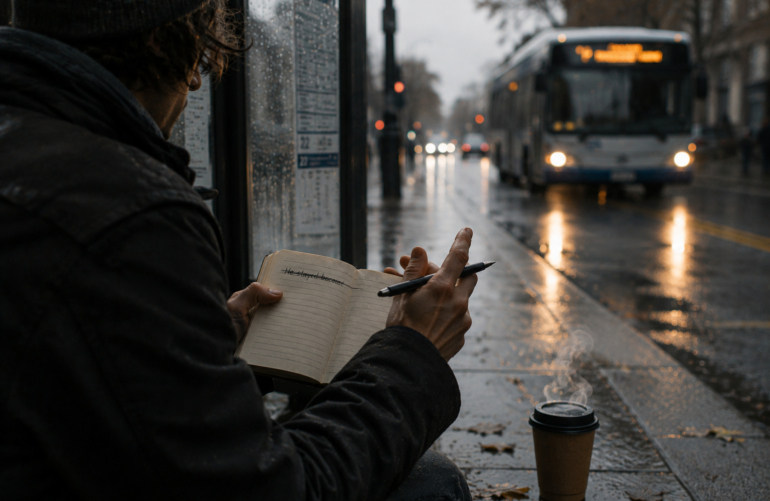
A single evocative image can be the seed of an entire short story if you learn to build from its edges. Start by observing what the image leaves out as much as what it includes, and let absences suggest…
Small stories often carry the weight of larger ones when they are written with deliberate choices. Focusing on a single moment or relationship can create the impression of a wider world beyond the page. Precise sensory detail and a…
One well-chosen scene can create the forward force of an entire short story without extra chapters or sprawling subplots. Treating that scene as the story’s engine clarifies decisions about character, detail, and pacing. This introduction explains how to identify…
Silence in short fiction is not emptiness; it is a compositional choice that directs attention. When you leave things unsaid, readers supply emotional and contextual detail from their own experience. That exchange can make a brief story feel larger…
Constraint can be one of the most productive tools for short fiction writers. When you deliberately limit scope—time, perspective, or detail—you force the story to reveal what matters. Good constraints create pressure that focuses character choice and reveals consequence…
Choosing a single scene to carry a short story gives a clear compass for decisions about voice, detail, and pace. A focused scene can reveal character, tension, and theme without needing expansive plot scaffolding. When done well, it concentrates…