Introduction Short fiction succeeds when each sentence earns its place. Writers must balance emotion, plot, and image within tight space. This piece outlines practical techniques to sharpen short work and deepen reader impact. It focuses on premise, economical detail,…

Introduction Concise fiction asks writers to make every sentence work harder than in longer forms. In a few pages or less, scene, character, and emotion must align so the reader feels more than they are told. This restriction can…
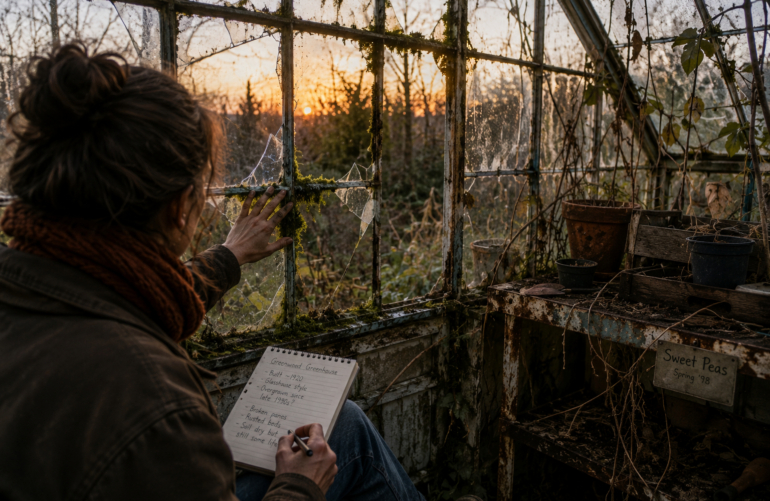
Setting does more than decorate scenes; it can steer the reader’s attention, shape character choices, and carry emotional weight. When a writer treats place as an active element, small details become resonant and the story’s stakes feel lived-in. This…
Short fiction often thrives on a single scene that embodies its emotional and narrative core. Revision from scene to scene lets writers focus that core, stripping excess and amplifying meaning. Rather than patching plot holes or adding more events,…
Short fiction asks for compression without losing emotional weight. A compact story must establish mood, character, and stakes quickly and memorably. Developing a single strong image or moment helps focus the reader and gives the story momentum. These essentials…
Short fiction asks writers to make every word earn its place, and that constraint can produce stories of rare clarity and force. When plot, character, and image must coexist in limited space, choices about what to include and what…
Time in short fiction is not just a backdrop; it is a tool for shaping what the reader knows about a character and when they know it. By choosing how to order events, linger on moments, or skip across…
Short fiction often hinges on the choice of one decisive scene that organizes image, action, and emotion into a compact arc. Choosing that scene is less about plotting and more about which moment best reveals a character’s stakes and…
Short fiction thrives on compression: a limited space must still hold a beginning, an emotional arc, and a satisfying resonance. Writers working in this form learn to choose details that carry multiple meanings and to trust implication over exposition.…
Short fiction demands choices. Every sentence must justify its presence, and the right detail can make a scene feel lived in without crowding the page. This introduction outlines practical ways to select and shape those details so a brief…