Good nonfiction begins with noticing, but it succeeds when those notes are shaped with intention. Writers who practice purposeful selection turn small observations into essays that feel inevitable rather than incidental. This piece outlines clear steps to help you…

A nonfiction draft often arrives as a cluster of moments, fragments, and tentative claims. Before polishing language, the task is to discover what the piece is trying to say. This discovery guides which scenes you keep, which details you…
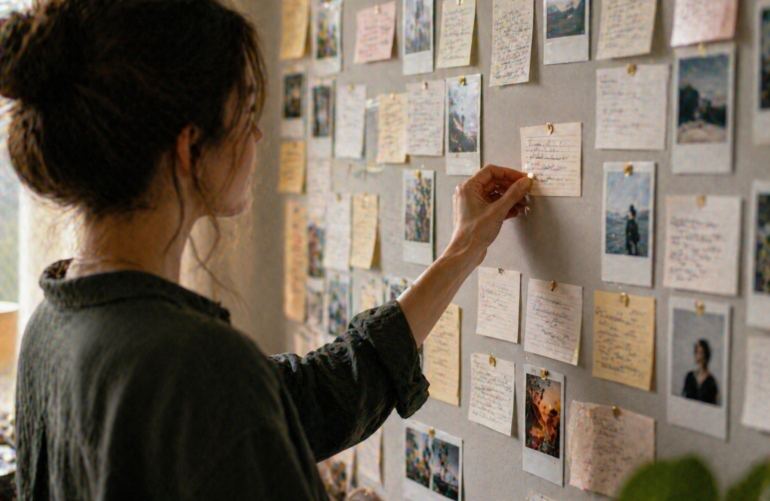
Every personal essay negotiates between what we remember and what we notice. Memory brings narrative order and meaning, while observation supplies immediate sensory detail that anchors scenes. When these elements work together, nonfiction becomes both true and vivid rather…
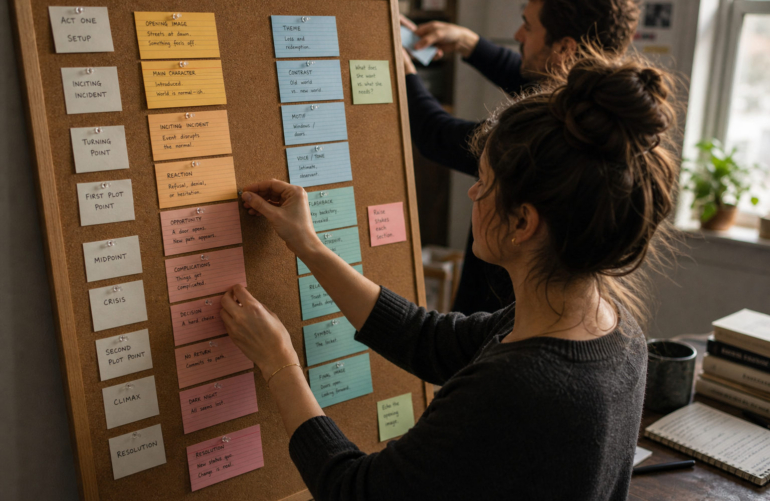
Readers respond when nonfiction shows difference or motion between moments. Contrast and change give an essay direction and a clear sense of why details matter. Choosing which moments to juxtapose helps a reader perceive stakes without heavy argument. This…
Good nonfiction begins with a clear intention that guides what you include and what you omit. When you choose a single moment or image to anchor a short essay, that decision should reflect a precise purpose. Writers who learn…
Good nonfiction often begins with a quiet observation that feels ordinary at first. Turning that moment into an essay requires choices about what to show and what to leave out. Framing details with intention helps readers move from scene…
Nonfiction that resonates often begins with a small, precise observation rather than a grand claim. A single scene, a sentence-length image, or a fleeting exchange can anchor an essay and give readers a place to stand. When writers treat…
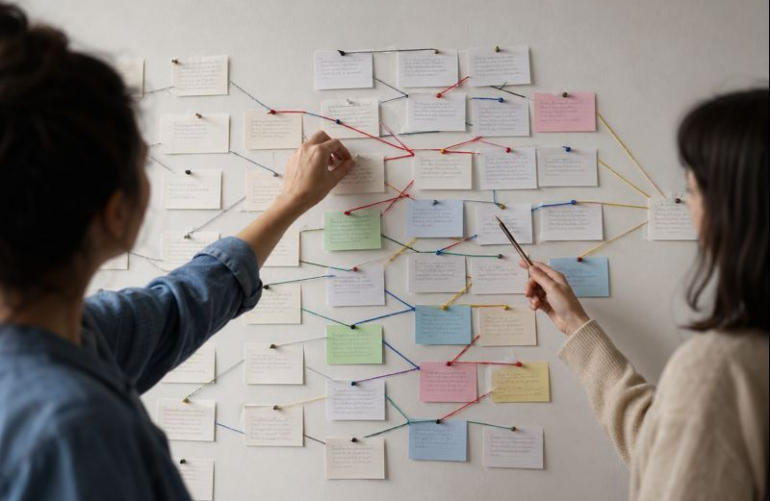
Good essays lead readers along a purpose, not just a series of moments. Designing that path means deciding what you want the reader to ask, notice, and remember. Begin by naming the core question or tension that your scenes…
Small habits shape daily behavior and compound into meaningful change over time. When approached deliberately, modest adjustments to routine can improve focus, energy and confidence. This piece explains why tiny practices matter and how to design them so they…
Building routines is less about willpower and more about structure and clarity. Small, consistent actions compound over weeks and create meaningful change in how you work and live. When routines align with priorities, they reduce decision fatigue and free…