Crime fiction thrives on tension, mystery, and psychological depth — but at its core, the genre asks deeper questions about right, wrong, and the gray areas in between. Justice and morality shape the heartbeat of every crime story, influencing…


Crime fiction thrives on tension, mystery, and psychological depth — but at its core, the genre asks deeper questions about right, wrong, and the gray areas in between. Justice and morality shape the heartbeat of every crime story, influencing…

Real-life crimes have long been a source of gripping inspiration for storytellers. The tension, mystery, and psychological depth behind true criminal cases offer writers a foundation rich with emotion and complexity. These stories tap into human curiosity — the…

Foreshadowing is one of the most powerful storytelling tools in fiction — not because it shouts, but because it whispers. It plants hints, creates anticipation, and builds emotional depth long before the truth is revealed. When used well, it…

Conflict is the heartbeat of storytelling — the element that transforms characters, fuels momentum, and keeps readers turning pages. Without meaningful conflict, even the most imaginative plot can feel flat. Effective conflict doesn’t just create tension; it challenges characters…
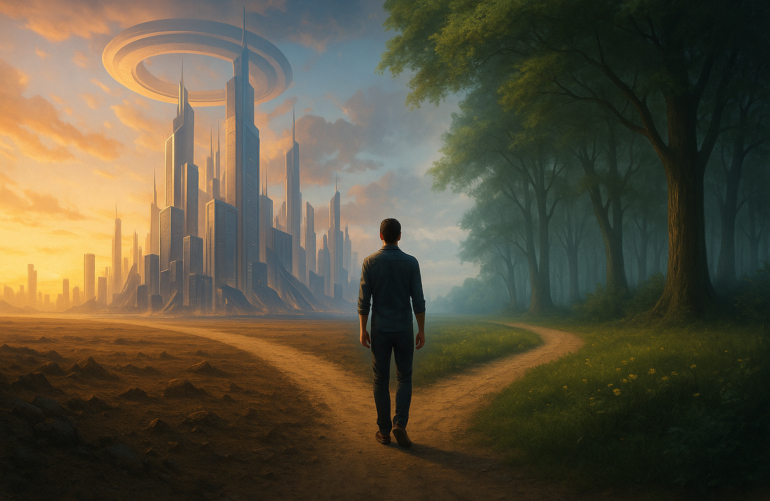
Every great story begins with a question — what if? What if time could be rewritten? What if the world worked differently? What if one small choice changed everything? The question of “what if” has fueled some of fiction’s…
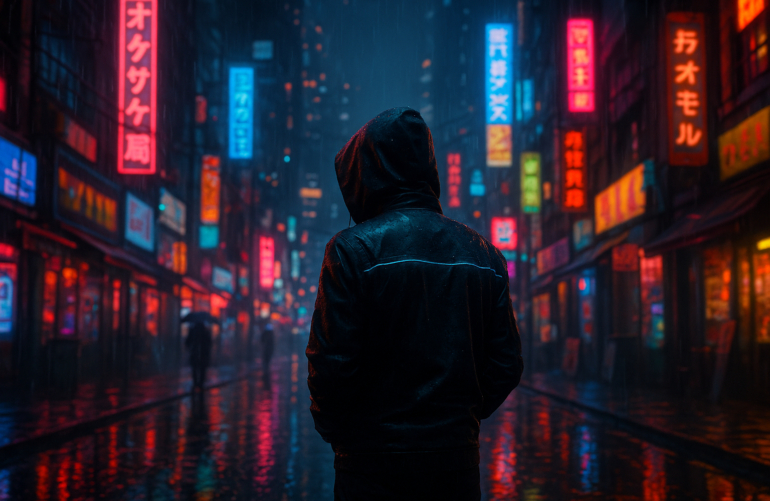
From neon-lit cityscapes to morally complex heroes, cyberpunk and dystopian fiction have become defining lenses for exploring our rapidly changing world. What began as speculative fiction has evolved into a mirror reflecting our collective fears — and hopes —…

Children’s and young adult (YA) literature has always reflected the dreams, fears, and values of its time. From fairytales to fantasy epics, these stories have guided generations through imagination and change. As technology and social awareness reshape how young…
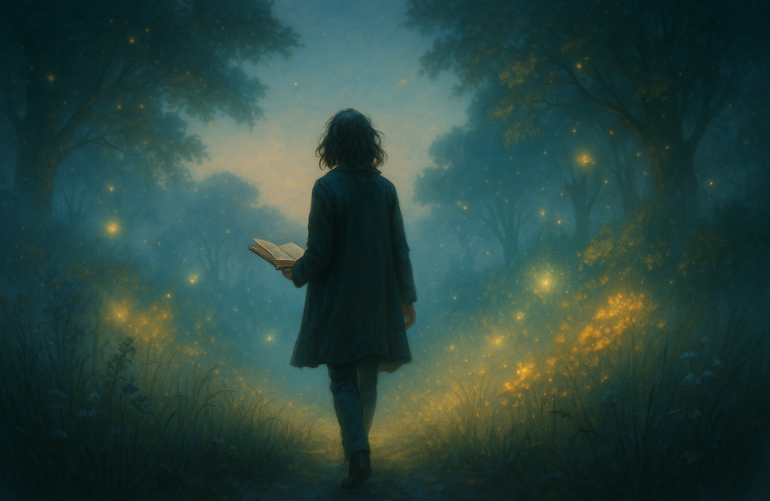
In the vast landscape of literature, few genres blend the ordinary and the extraordinary as seamlessly as magical realism. It’s a style that blurs the line between the real and the fantastic — where miracles unfold in everyday life,…

Non-fiction does more than inform — it shapes how we think, what we believe, and how societies evolve. From investigative journalism to academic studies and personal essays, non-fiction provides the foundation for understanding our world. It bridges facts and…

There’s something uniquely intimate about a story told in the first person. When a narrator speaks directly to the reader, it blurs the line between observation and experience. First-person narratives pull us into a character’s inner world — their…