Small, repeated actions give a world its heartbeat. When a character ties a knot a certain way or buys the same street snack, readers feel the world around them. In speculative fiction, mundane habits can reveal history, technology, class…



Small, repeated actions give a world its heartbeat. When a character ties a knot a certain way or buys the same street snack, readers feel the world around them. In speculative fiction, mundane habits can reveal history, technology, class…

Domestic spaces are a powerful way to show rather than tell the rules of a speculative world. Kitchens, narrow alleys, sleeping chambers, and workshops hold traces of technology, belief, and economics that characters accept as ordinary. Focusing on everyday…

Nonfiction that resonates often begins with a small, precise observation rather than a grand claim. A single scene, a sentence-length image, or a fleeting exchange can anchor an essay and give readers a place to stand. When writers treat…

Good essays lead readers along a purpose, not just a series of moments. Designing that path means deciding what you want the reader to ask, notice, and remember. Begin by naming the core question or tension that your scenes…

Short-form fiction can be a surprisingly efficient tool for sustaining creative energy. With stories that take minutes to read or write, creators and readers can reset attention without large time commitments. This article outlines practical microfiction practices you can…

Short-form fiction offers concentrated narratives that fit easily into busy days. With modest time investment, brief stories can sharpen observation and spark creative thinking. The key is consistency: a quick, repeatable approach turns occasional reads into a productive habit.…
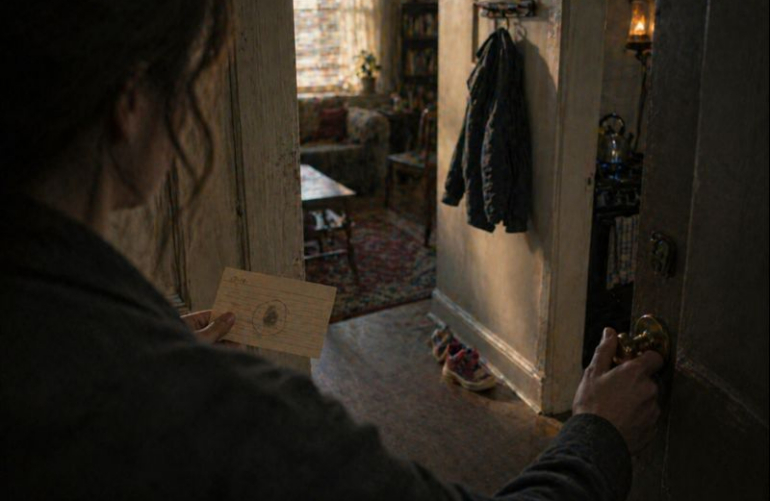
Suspense often grows from what a reader thinks they know and the tiny shifts that undermine that certainty. This article outlines practical, subtle techniques writers can use to make readers question assumptions without jolting them. Each approach favors slow…
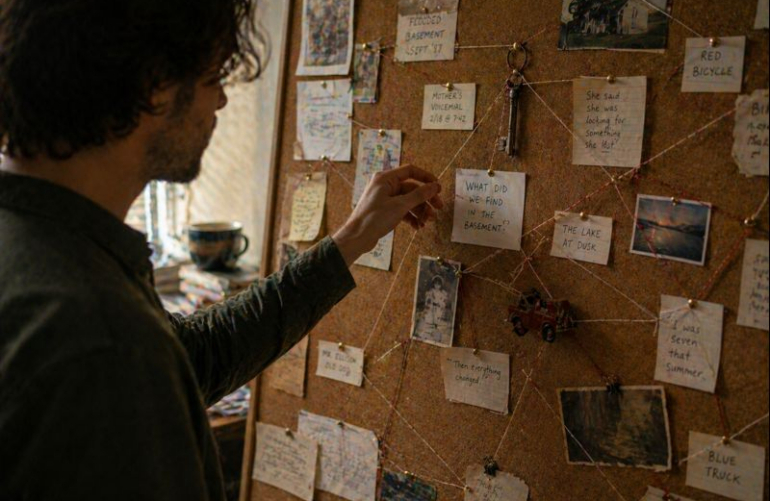
Designing persistent unease begins with respect for what readers notice and what they do not. Subtle narrative threads let tension accumulate without overt shocks, rewarding attentive readers and building atmosphere. Good mysteries balance visible clues with deliberate absences so…

Writing short fiction demands economy and clarity. In a compact story every detail must pull double duty, revealing character while advancing plot. Your job as a writer is to make a person feel complete with minimal exposition. This article…

Short fiction is an exercise in focus: a single experience, emotion, or moment is magnified until it becomes something larger than itself. When a story is pared down to essentials, each choice carries weight and the reader notices. Writers…