Folklore and fairy tales have been passed down for centuries, yet they remain as captivating today as they were generations ago. These stories blend imagination, cultural wisdom, and timeless themes that speak to people across ages and backgrounds. Whether…
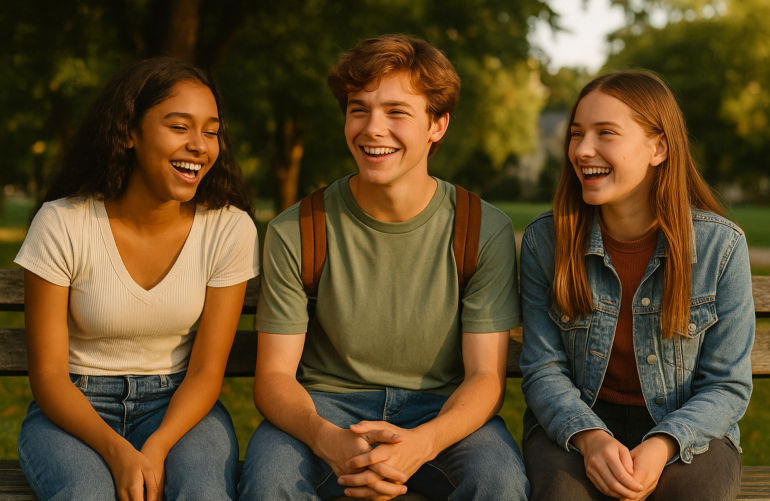
Coming-of-age stories have an enduring place in literature, film, and culture because they capture one of the most universal human experiences: the transition from youth to adulthood. These stories resonate across generations, backgrounds, and cultures because everyone can recall…
Romance writing has undergone a dramatic transformation in recent years as technology reshaped how stories are created, shared, and discovered. What once relied heavily on traditional publishing now thrives in a digital world where writers connect directly with readers,…
Graphic novels have transformed the way stories are told by blending visual art and written narrative into a single, immersive experience. Once seen as niche or limited in scope, they are now recognized as powerful literary works capable of…
Pop culture has become one of the strongest forces shaping how modern genres evolve and resonate with audiences. Music, film, television, social media, and gaming no longer exist in isolation; they constantly borrow from and influence one another. As…
Climate and eco-literature has emerged as one of the most urgent and influential movements in modern writing. As environmental challenges become impossible to ignore, writers are increasingly using stories, essays, and narratives to explore humanity’s relationship with the natural…
Contemporary writing increasingly reflects a renewed interest in spirituality, not as doctrine, but as personal exploration. Modern authors often move beyond traditional religious frameworks to examine meaning, purpose, and inner life in ways that resonate with diverse readers. These…
Hybrid literature is reshaping the way readers experience stories by blending visual art with written language. Instead of relying solely on text or imagery, hybrid works merge the two to create layered narratives that feel immersive, expressive, and emotionally…
Emotionally complex stories have a powerful way of pulling readers into their worlds. Rather than offering simple plots or predictable character arcs, these stories explore the deeper layers of human experience — love, conflict, doubt, resilience, and transformation. Readers…
Modern literature has evolved into an experience that often feels as vivid and immersive as a film. Today’s writers use visual language, dynamic pacing, and emotionally rich scenes to create stories that unfold in the reader’s imagination like a…