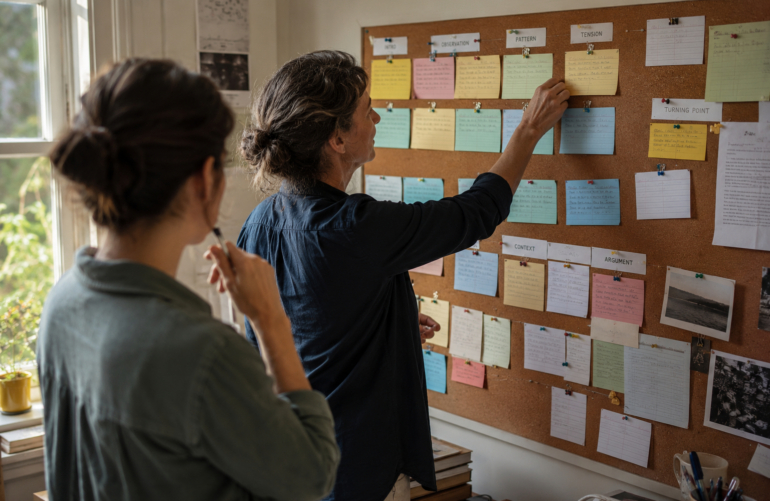
Character flaws are more than flaws: they are engines that drive suspense across a novel. When chosen and deployed with intention, small weaknesses can ripple outward and transform quiet scenes into sources of unease. This introduction explains why flaws…

Small domestic flaws can become the pivot of a thriller. When a routine cracks, the first rupture feels intimate and irreversible. Readers linger because the ordinary acquires menace through careful detail. Planting these flaws early lets tension accumulate across…
A single evocative image can be the seed of an entire short story if you learn to build from its edges. Start by observing what the image leaves out as much as what it includes, and let absences suggest…
Small stories often carry the weight of larger ones when they are written with deliberate choices. Focusing on a single moment or relationship can create the impression of a wider world beyond the page. Precise sensory detail and a…
Minor administrative systems — registries, permits, inspection stamps — often live in the background of speculative settings. They shape who moves, who trades, and who is allowed to speak, quietly channeling conflict and motive. Paying attention to these small…
Believable cities in fantasy and science fiction feel lived in because of small, repeatable systems that shape daily behavior. When writers map routines, trade, and movement, they create stakes, texture, and a framework that supports plot and character choices.…
Working inside limits often feels restrictive at first, but constraints can sharpen attention and reveal choice. A clear boundary focuses what to include and what to let go. For short nonfiction, that discipline helps you prioritize scenes, detail, and…
Nonfiction begins in attention and ends in purpose. If you can name the question your piece will answer, the rest clarifies. This piece outlines practical moves to turn detail into a deliberate argument. The aim is to help you…
Short fiction offers a compact way to reset attention and expand perspective without a large time commitment. Reading a focused piece of fiction can interrupt repetitive thought patterns and create mental space for new associations. When chosen intentionally, brief…
Short stories can sharpen attention without demanding a large time commitment, offering concentrated scenes and ideas that reward close reading. A compact narrative practice improves mental clarity and serves as a creative reset between tasks, making transitions feel cleaner.…