Minor domestic flaws — a stuck drawer, a misplaced photograph, a habit of leaving doors ajar — can be quiet engines of suspense when handled deliberately. These small details feel familiar, low-stakes, even benign, which is precisely why they…
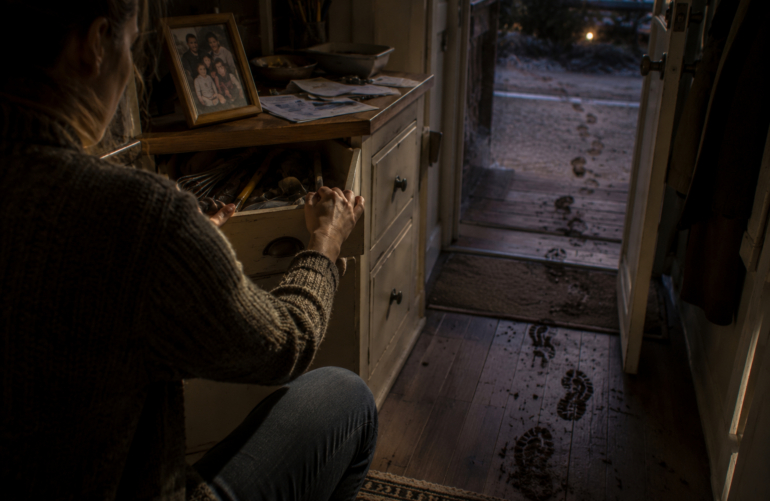


Minor domestic flaws — a stuck drawer, a misplaced photograph, a habit of leaving doors ajar — can be quiet engines of suspense when handled deliberately. These small details feel familiar, low-stakes, even benign, which is precisely why they…

Small, everyday choices are powerful narrative tools in mysteries and thrillers because they are relatable and believable. When a character opts for a different route home, forgets a key, or avoids a phone call, those decisions can ripple outward…

Every short story begins with a moment that feels charged, a small hinge on which everything pivots. Turning that hinge into motion means allowing the scene to ripple outward without diluting its intensity. This requires choosing which forces press…

A well-chosen decision can do the heavy lifting in a short story, turning otherwise ordinary moments into lasting narrative pressure. When a writer centers a compact, deliberate choice, the story gains direction, economy, and emotional weight without excess plotting.…

Games, play, and leisure activities are often the most overlooked tools in speculative worldbuilding, yet they reveal social priorities faster than many institutions. A community’s pastimes show what a culture values, fears, or dreams about technology and power. Through…

Small, ordinary systems give speculative settings weight and plausibility. When readers encounter familiar routines inside strange worlds, they find an anchor that lets wonder feel intentional rather than arbitrary. Authors can seed those routines early — market habits, transit…

Introduction Nonfiction works best when it balances accuracy with a clear narrative shape. Readers come for facts but stay for meaning, so writers must translate events into a readable arc without sacrificing truth. That means making deliberate choices about…

Introduction Nonfiction that lingers does more than report facts; it invites readers into a human experience. To achieve that, writers must blend accuracy with narrative energy and emotional specificity. This introduction outlines practical approaches for shaping truthful material into…

Introduction Short fiction training develops clarity of focus and speed in storytelling. By concentrating on a single scene or emotional turn, writers learn to make every sentence count. Regular short exercises sharpen instincts for pacing, voice, and the architecture…

Short fiction offers a concentrated way to explore ideas, emotions, and moments that might feel diffuse in a longer work. For readers and writers alike, brief narratives can deliver intense insights with fewer commitments of time and scope. This…