Writing short fiction demands economy and clarity. In a compact story every detail must pull double duty, revealing character while advancing plot. Your job as a writer is to make a person feel complete with minimal exposition. This article…



Writing short fiction demands economy and clarity. In a compact story every detail must pull double duty, revealing character while advancing plot. Your job as a writer is to make a person feel complete with minimal exposition. This article…

Short fiction is an exercise in focus: a single experience, emotion, or moment is magnified until it becomes something larger than itself. When a story is pared down to essentials, each choice carries weight and the reader notices. Writers…
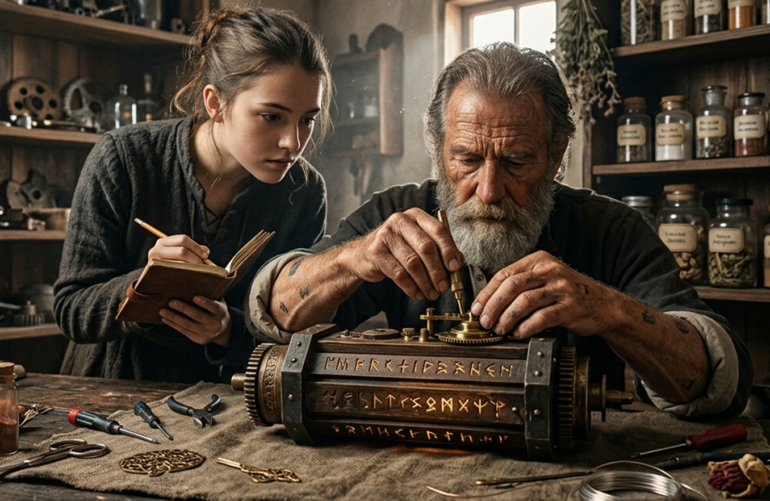
When fantasy and science fiction intertwine, devices and sorceries should feel inevitable rather than decorative. Good worldbuilding ties inventions to culture, environment, and consequence so readers accept the extraordinary. This piece outlines practical approaches to designing technology that reads…

Great speculative fiction hinges on a world that feels lived in and consistent. Readers forgive strange creatures or advanced technology when the setting obeys its own rules. A convincing environment supports character choices and plot consequences without explaining every…

Small habits shape daily behavior and compound into meaningful change over time. When approached deliberately, modest adjustments to routine can improve focus, energy and confidence. This piece explains why tiny practices matter and how to design them so they…

Building routines is less about willpower and more about structure and clarity. Small, consistent actions compound over weeks and create meaningful change in how you work and live. When routines align with priorities, they reduce decision fatigue and free…

Short reading breaks with compact stories can reset attention and spark a fresh line of thinking. They take little time yet create a distinct mental shift when repeated over days. A simple ritual—select a piece, read attentively, and note…

Annotating short stories is a hands-on way to engage with narrative detail and craft. It keeps readers alert to technique, structure, and character choices that often go unnoticed. A focused annotation habit turns passive reading into active study without…

Routine is a deceptively powerful tool for the mystery and thriller writer. When a character repeats small actions, those gestures can carry meaning beyond the immediate scene. Repetition trains the reader’s attention and makes deviations feel consequential. This piece…
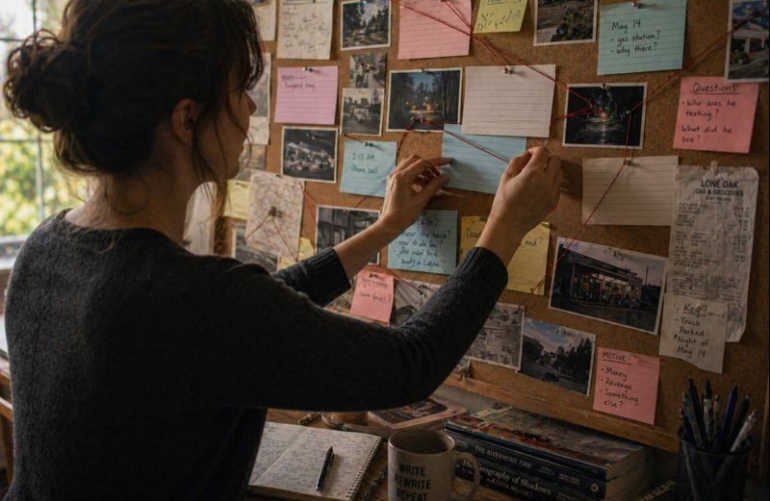
Creating purposeful misdirection is a craft that keeps readers engaged and guessing. By aligning what the narrator reveals with what readers assume, writers can guide attention away from the true pattern. Misdirection should feel earned: clues must exist even…