A short story often succeeds when a single scene feels like the entire world. Limiting scope can focus emotion, theme, and character more acutely than sprawling plots. Writers who lean on a scene’s detail and stakes let readers infer…



A short story often succeeds when a single scene feels like the entire world. Limiting scope can focus emotion, theme, and character more acutely than sprawling plots. Writers who lean on a scene’s detail and stakes let readers infer…
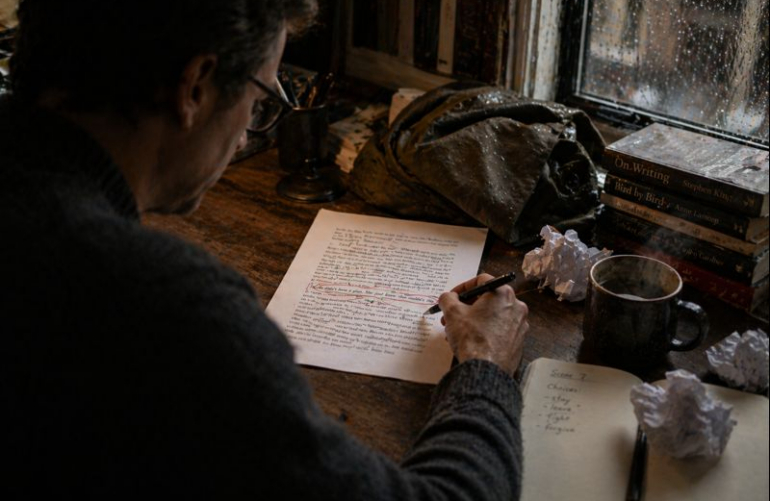
Short fiction often lives or dies on the weight of a single scene, a concentrated moment that must carry character, conflict, and consequence. Learning to expand one vivid instant into a story gives writers a practical path to clarity…

Sensory details do more than decorate a scene; they define how a world feels, behaves, and is inhabited. Focusing on lighting, sound, and smell helps writers create consistent rules that influence technology, culture, and conflict. When these senses are…

Objects carry the history of a people, especially in speculative worlds where technology and myth intertwine. By choosing which artifacts populate a scene, writers can imply power structures, trade networks, and belief systems without exposition. Small details—like the wear…
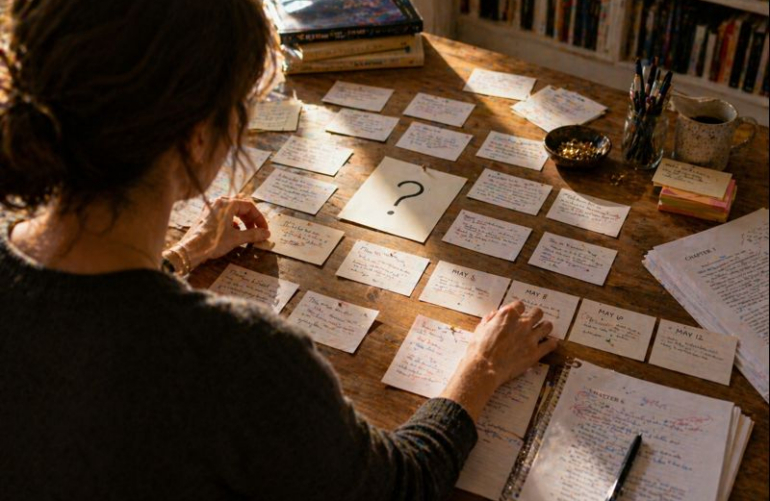
Nonfiction essays gain momentum when they hinge on a central question that invites curiosity and inquiry. Instead of cataloguing events in sequence, prioritize the question that gives those events meaning. That shift helps you choose which moments to expand…
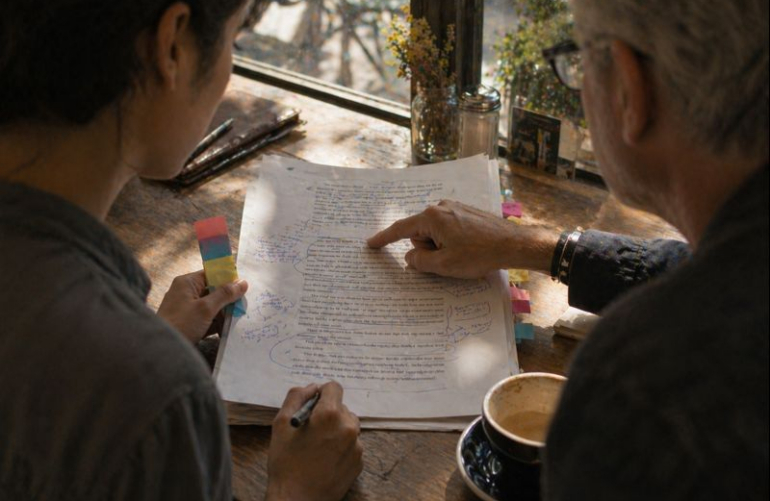
Short nonfiction benefits when scene, voice, and purpose align to serve a single insight. A clear purpose helps you choose which moments to linger on and which to omit. Voice guides how candid or restrained those moments will feel…

Short stories offer a compact way to exercise imagination and sharpen attention. A brief, structured session can turn casual reading into a reliable creative practice. This article lays out simple steps to design short story sessions that build momentum.…

Short, self-contained stories offer a compact way to shift perspective and reboot attention. They fit into small pockets of time without demanding a long mental commitment. A brief narrative can model an idea, deliver an emotional beat, and leave…

A dual-thread mystery runs parallel narratives that eventually collide. Each thread must be compelling on its own while feeding the larger puzzle. Writers balance distinct voices, stakes, and clue economies to sustain momentum. This guide outlines practical techniques to…

Everyday objects and brief gestures can quietly point a reader toward danger. Small clues that feel natural in a scene anchor the plot without forcing exposition. When placed with intention, routine details become bearings that guide tension forward. Recognizing…