Short fiction demands a clear sense of movement and intention in a constrained space. Identifying the moment that changes everything gives the story shape and urgency. That pivot can be small—a gesture or a withheld line—or it can be…


Short fiction demands a clear sense of movement and intention in a constrained space. Identifying the moment that changes everything gives the story shape and urgency. That pivot can be small—a gesture or a withheld line—or it can be…

Brief narratives demand choices that amplify feeling without excess. The right detail can suggest whole lives and unseen pressures in a single scene. Tension often comes from what is withheld as much as what is shown. This essay outlines…

Everyday objects can be powerful anchors in speculative fiction, helping readers enter unfamiliar worlds. A broken watch, a ritual cup, or a mass-produced talisman can convey history, class, and belief without heavy exposition. When writers treat mundane items as…

Strong speculative settings are less about single spectacular ideas and more about how ordinary systems bend to the extraordinary. Everyday routines, resource flows, and bureaucracies give readers consistent anchors amid unfamiliar elements. When practical systems feel coherent, the fantastic…

Every nonfiction piece benefits from moments that do the heavy lifting of meaning. Choosing which moments to include decides what readers will take away and shapes the work’s argument and tone. Small incidents can reveal character, context, and conflict…

Short nonfiction depends less on exhaustive coverage and more on selective attention. Choosing which details to include shapes a reader’s understanding and emotional response. When you focus on the most revealing elements, a compact piece can feel complete and…

Short fiction offers a compact way to practice attention and imagination in a limited stretch of time. Reading a complete narrative, even brief, can sharpen observation and emotional recognition without a long commitment. This piece explains practical steps to…

Introduction Short fiction and targeted micro exercises offer a compact, effective route to sharpen observation, voice, and storytelling instincts. Committing to brief practices reduces resistance and makes creative work easy to start even on hectic days. This article outlines…
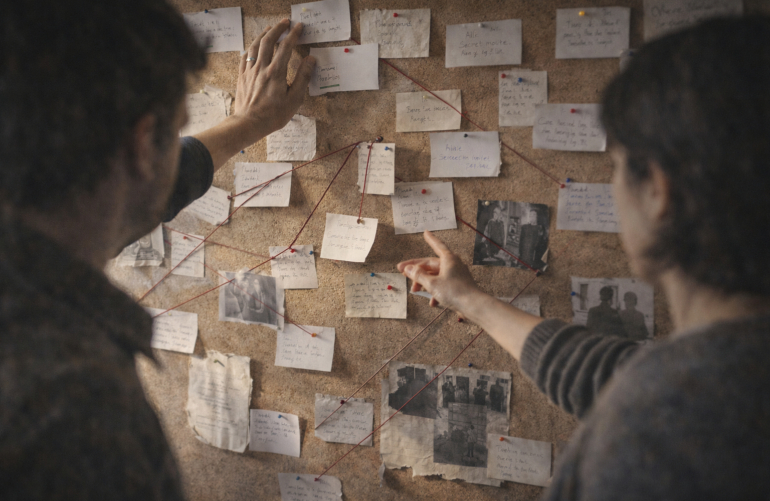
Misleading clues are powerful tools in a mystery, but they require careful design to reward readers rather than alienate them. Done well, a red herring deepens tension, complicates motive, and invites fresh theories without undermining the story’s logic. Done…

Everyday life hides a rich seam of menace for mystery and thriller writers. The ordinary details of routines, objects, and small decisions can be made ominous with careful focus. When threat is suggested rather than shouted, readers lean in…