Successful thrillers feel inevitable because a writer has threaded clues through the plot with careful intent. These invisible tracks nudge readers toward a payoff without revealing the whole map too soon. When clues are planned as part of a…



Successful thrillers feel inevitable because a writer has threaded clues through the plot with careful intent. These invisible tracks nudge readers toward a payoff without revealing the whole map too soon. When clues are planned as part of a…
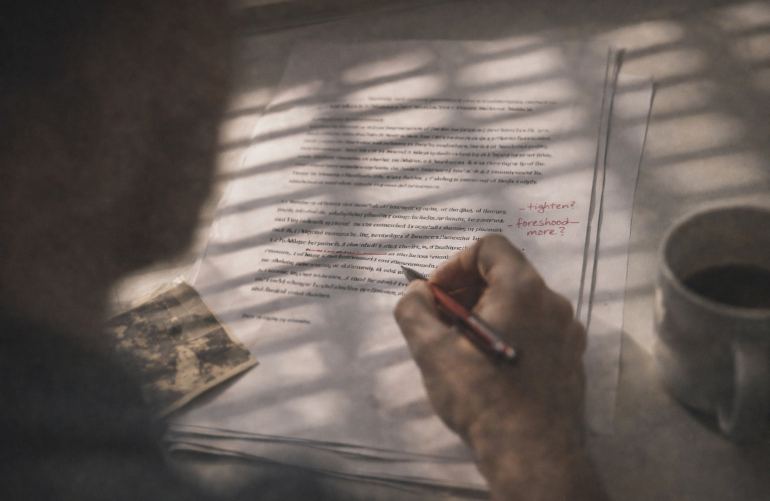
Creating sustained unease in a thriller depends less on sudden shocks and more on the atmosphere that lingers between scenes. Readers stay engaged when tension is implied through small, deliberate details rather than constant action. A story that threads…

Focused short stories gain power by deliberately limiting scope and amplifying detail. A small cast, a single dilemma, and a narrowed timeframe can concentrate emotional stakes. When every sentence must carry weight, choices about voice and imagery become strategic.…

Short fiction thrives on choices that magnify meaning without adding pages. A single scene can reveal a character’s history, desires, and future by concentrating on one decisive moment. Learning how to select and shape that moment gives writers leverage:…
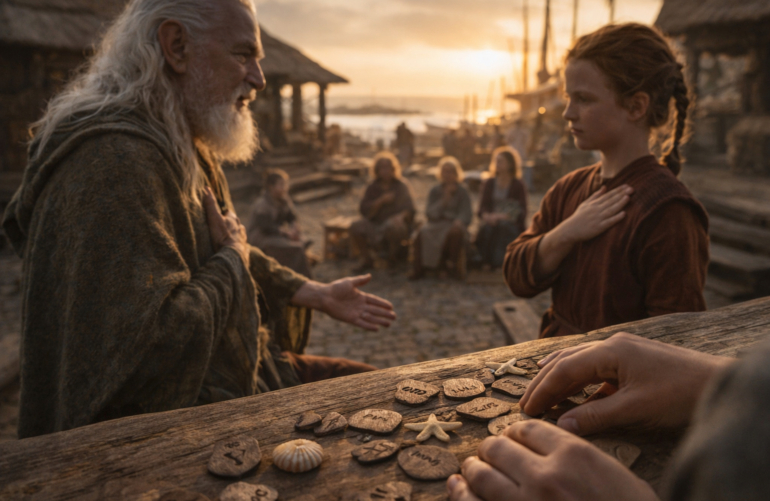
Names, sayings, and small motions are some of the quickest ways to signal a culture’s priorities and history. Simple verbal cues and habitual gestures give readers immediate access to how people in a world think and relate. When used…
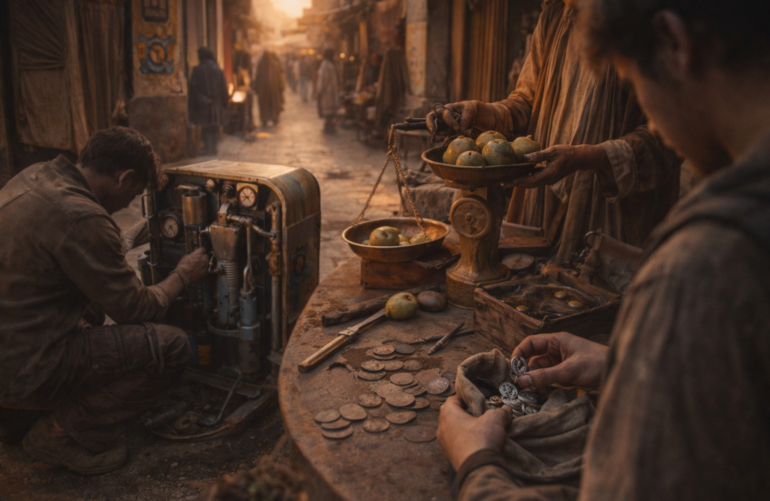
When readers step into a speculative world, the familiar rhythms of daily life often make the fantastic feel believable. Small systems — the way people trade, eat, speak, and move — act like scaffolding for larger imaginative leaps. Focusing…

Nonfiction often discovers its power in a single, well-chosen moment. Choosing that moment changes how readers understand the larger story around it. This piece explains when a single scene can bear thematic weight and how to shape surrounding material.…

Personal nonfiction improves when editing choices are deliberate and intentional. The best edits remove distractions and sharpen the story’s core. This short guide focuses on practical choices writers can make to clarify purpose, selection, and detail. Use these approaches…

Short stories offer a compact way to explore character, voice, and idea without the time commitment of longer fiction. Adopting a daily microread habit can refresh your thinking and provide a steady supply of creative stimulus. This approach suits…

Short fiction offers a compact way to practice attention and curiosity each day. A single story can introduce new perspectives and invite reflection without a large time commitment. Regularly reading brief narratives develops pattern recognition, emotional nuance, and imaginative…