Some novels give us maps, other novels hand us talismans. The five books below treat objects—not as props, but as carriers of grief, memory, or secret life. If you enjoy fiction where a single locket, a collection of trinkets,…



Some novels give us maps, other novels hand us talismans. The five books below treat objects—not as props, but as carriers of grief, memory, or secret life. If you enjoy fiction where a single locket, a collection of trinkets,…

There’s a particular pleasure in books that take the humdrum of daily labor and tilt it until the familiar looks uncanny. The characters clock in, answer phones, clean rooms or count ledgers — and those routines become the hinge…
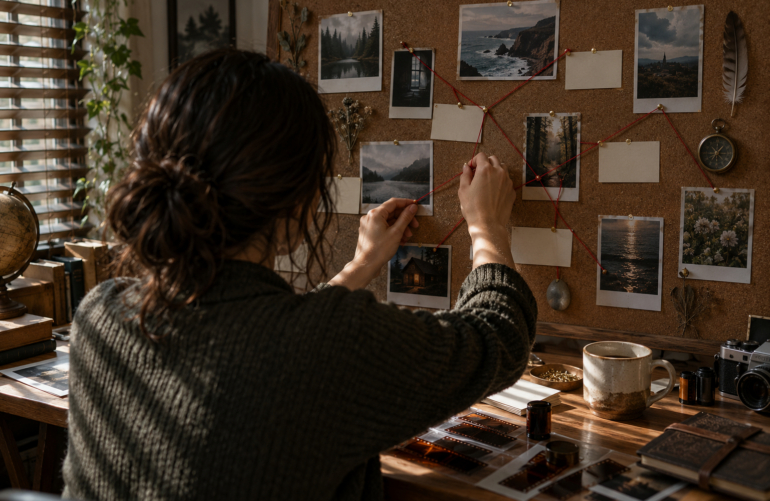
In a good mystery or thriller the atmosphere carries as much weight as the plot, drawing readers into a world that feels dangerous, intimate, or both. Creating that mood means paying attention to sensory detail, rhythm, and the small…

Suspense in short thriller fiction relies on precise choices more than sprawling plots. Writers must balance what to reveal with what to withhold, shaping readers’ curiosity without leaving them frustrated. Small scenes, sharp details, and tight pacing create a…

Short fiction demands economy: every sentence must pull the reader forward while revealing something essential. Tension and momentum are the twin engines that keep a short story moving from first page to final line. When handled deliberately, they create…

Creating memorable characters is central to short fiction. With limited space, every detail must pull its weight, revealing personality, history, and desire. Readers remember characters who feel alive rather than merely described. This article outlines practical techniques to sharpen…
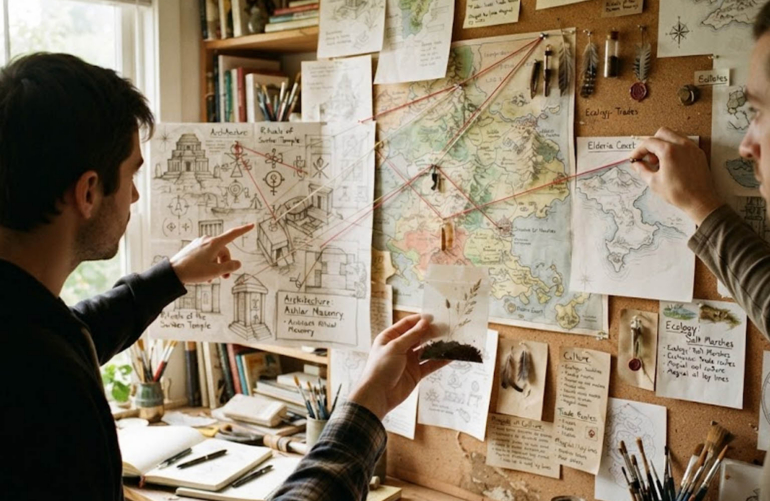
Successful fantasy hinges on a setting that feels lived-in and coherent. Readers accept wonder when the rules beneath it feel consistent. This piece outlines approaches to design cultures, magic systems, and geography that support storytelling. Each method aims to…
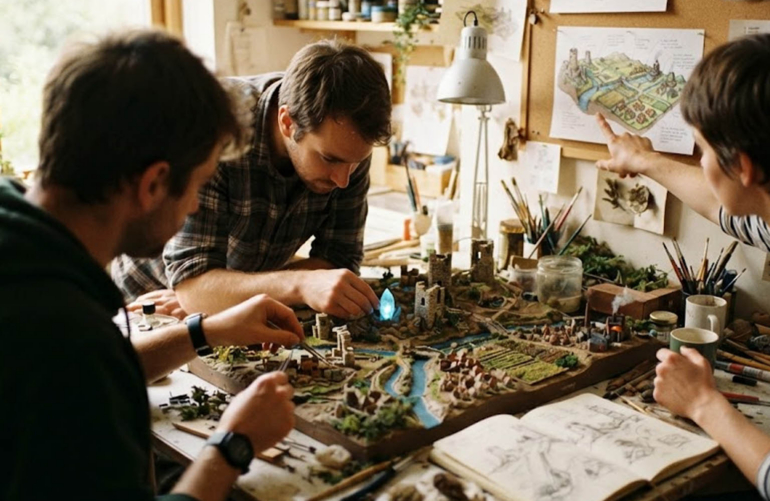
In worldbuilding, small practical details turn setting into something readers can imagine living inside. Rather than dumping lore, focus on systems that have cause and effect: environment, resources, and the daily rhythms of people or creatures. Make sure each…

Sometimes the unremarkable—salt, a pencil, a shipping crate—carries the story of empires, inventions, and sudden cultural shifts. These five nonfiction books pick a single object and use it as a lens to explain trade, technology, and human behavior. They…
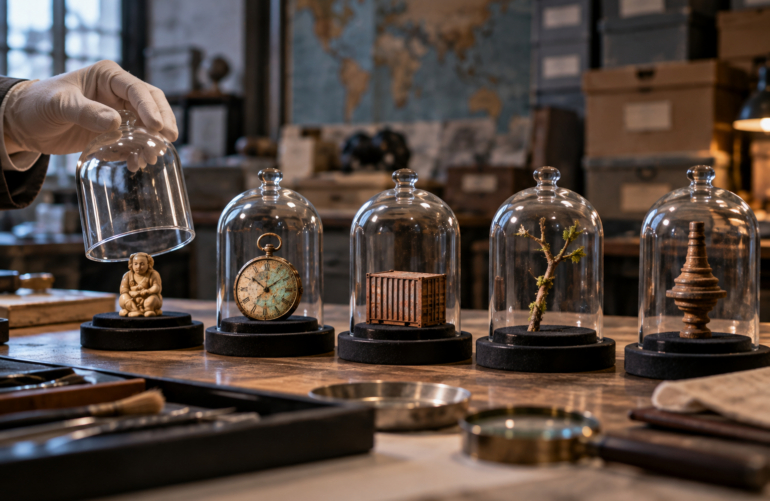
Microhistories begin with a fragment—a man, an object, a single event—and widen until you can see entire cultures and systems reflected in that shard. These five nonfiction books take tiny subjects and let them illuminate politics, trade, memory, and…