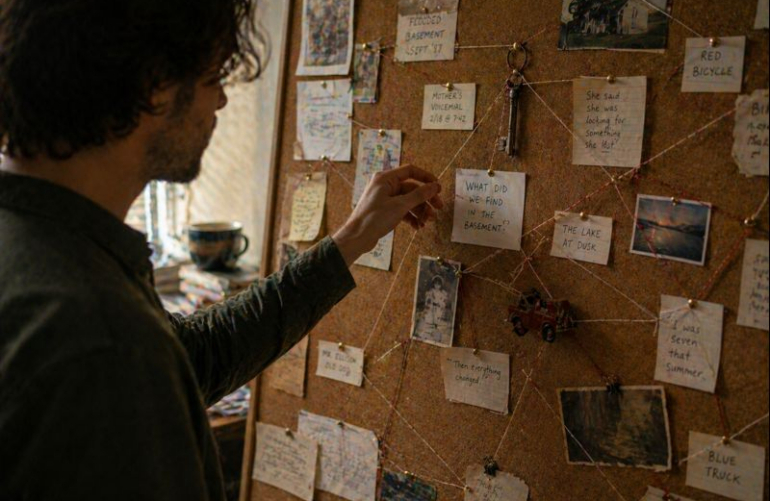
Successful thrillers hinge less on grand twists than on the way small, well-timed details accumulate into an inevitable revelation. A single object, a habitual behavior, or an offhand remark can shift a reader’s trust and reshape the story’s stakes.…
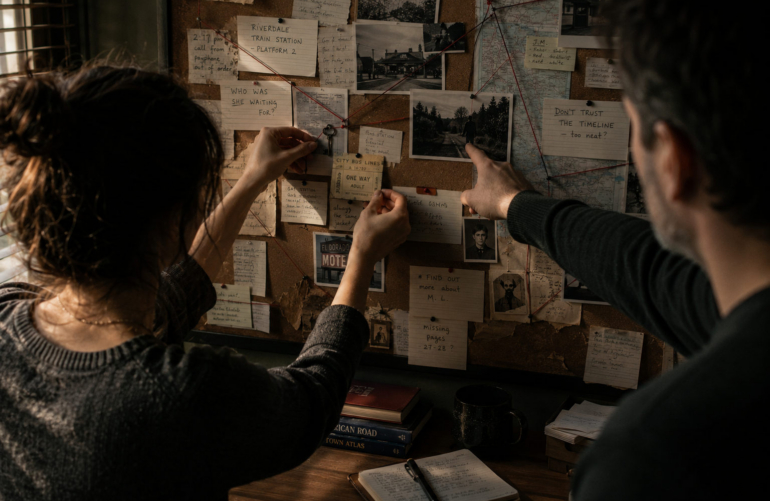
The discovery of a battered ledger beneath floorboards can redraw a quiet street into a map of secrets. Each smudged entry and crossed-out name suggests someone once tried to erase more than ink. For storytellers who favor edges, a…
In the quiet stretch of a stalled neighborhood, a single unsolved anomaly can stretch into an entire story. Small patterns surface where nothing seemed to connect at first glance. That slow accumulation of detail is the heartbeat of many…
Everyday decisions can be the most effective engine of slow-burn suspense because they feel inevitable and believable. When a character’s small choice opens a chain reaction, readers sense the logic even as dread builds. This piece outlines practical techniques…
Creating sustained tension in a mystery depends on a steady accumulation of doubt rather than a string of shocks. Small contradictions, recurring objects, and the friction between what characters say and what they do push a narrative toward unease.…
Suspense often grows from what a reader thinks they know and the tiny shifts that undermine that certainty. This article outlines practical, subtle techniques writers can use to make readers question assumptions without jolting them. Each approach favors slow…
Designing persistent unease begins with respect for what readers notice and what they do not. Subtle narrative threads let tension accumulate without overt shocks, rewarding attentive readers and building atmosphere. Good mysteries balance visible clues with deliberate absences so…
Routine is a deceptively powerful tool for the mystery and thriller writer. When a character repeats small actions, those gestures can carry meaning beyond the immediate scene. Repetition trains the reader’s attention and makes deviations feel consequential. This piece…
Creating purposeful misdirection is a craft that keeps readers engaged and guessing. By aligning what the narrator reveals with what readers assume, writers can guide attention away from the true pattern. Misdirection should feel earned: clues must exist even…
A dual-thread mystery runs parallel narratives that eventually collide. Each thread must be compelling on its own while feeding the larger puzzle. Writers balance distinct voices, stakes, and clue economies to sustain momentum. This guide outlines practical techniques to…