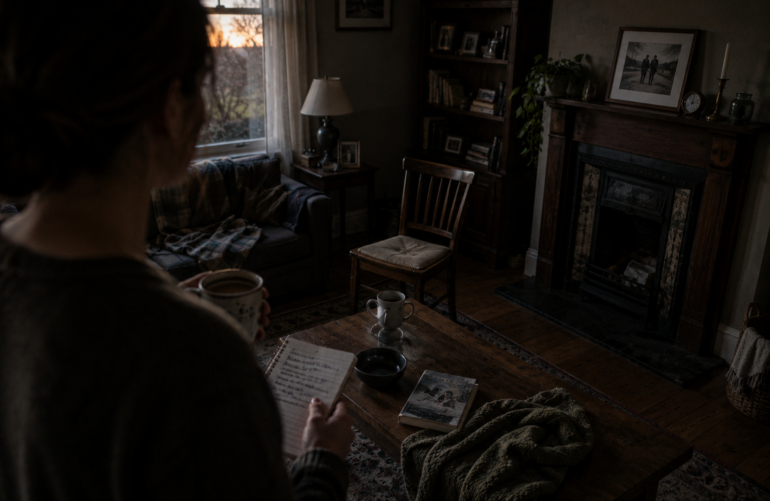
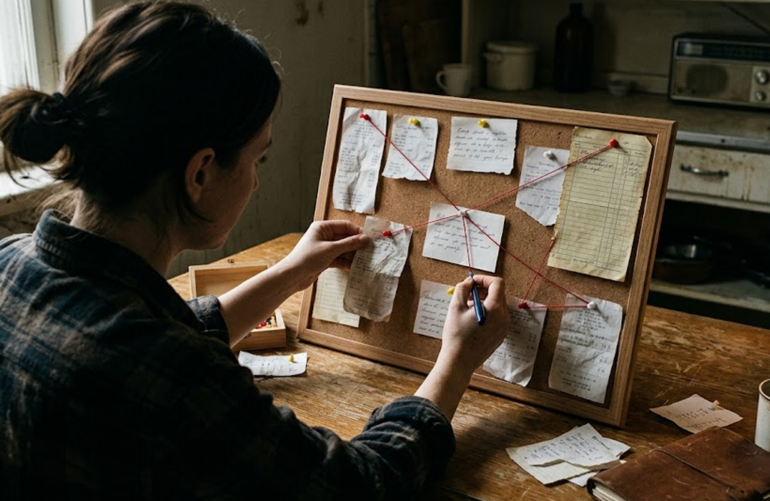
Small, repeated actions give a story a sense of gravity and inevitability. When a character’s routines accrue meaning, readers feel the slow buildup of risk. Turning mundane behaviors into narrative levers creates quiet but relentless tension. This piece outlines…
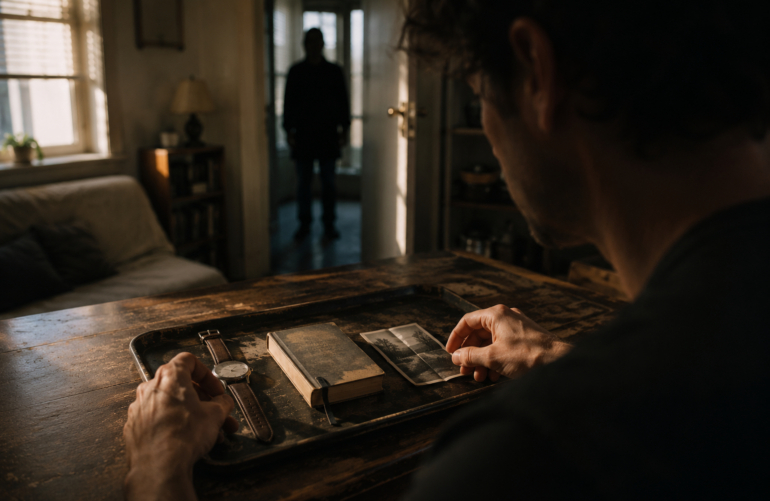
A single minor untruth can shift a reader’s entire orientation toward a character and a case. When written with intention, small lies act as gears that turn larger narrative machinery. They feel believable in the moment yet accumulate significance…
Familiar voices in a mystery feel reliable because readers recognize patterns and rhythms that mimic real conversation. When those voices begin to slip, the effect is disquieting: trust erodes and attention sharpens. Learning to teach readers to suspect the…
Introduction The old streets sleep under sodium lamps, but the town never feels empty. Small routines mask the rhythm of secrets that pulse after midnight. Neighbors nod in daylight and close their curtains when conversations become too close. This…
Introduction In a part of town that most pass without a second thought, an old library keeps its own calendar of shadows. Bookcases bend light into alleys where whispers gather and a misplaced volume can change how neighbors remember…
Small, repeated behaviors can become the backbone of a mystery, turning everyday routine into a source of tension. When characters act in consistent, recognizable ways, those habits create expectations readers lean on and then question. By deliberately planting these…
In mysteries and thrillers, the familiar can become quietly menacing when a writer pays attention to the textures of daily life. A kitchen table, a hallway light, or the pattern of someones commute can all register as clues long…
Introduction Small inconsistencies often arrive like stray threads in a narrative, easily ignored at first glance. A single misplaced receipt, an unexplained meeting, or an offhand remark can shift how a case is read. For writers and investigators alike,…
Introduction In mystery and thriller fiction, the smallest object can redirect the entire narrative and reveal a character’s hidden priorities. Investigators and readers alike learn to treat everyday items as clues that accumulate into motive maps. Observing patterns among…
Introduction In the quiet hours after a disturbing discovery, small records often tell a larger story. Detectives and readers of mysteries know that lists, ledgers, and seemingly mundane notes store motives and patterns. This piece explores how minimal artifacts…