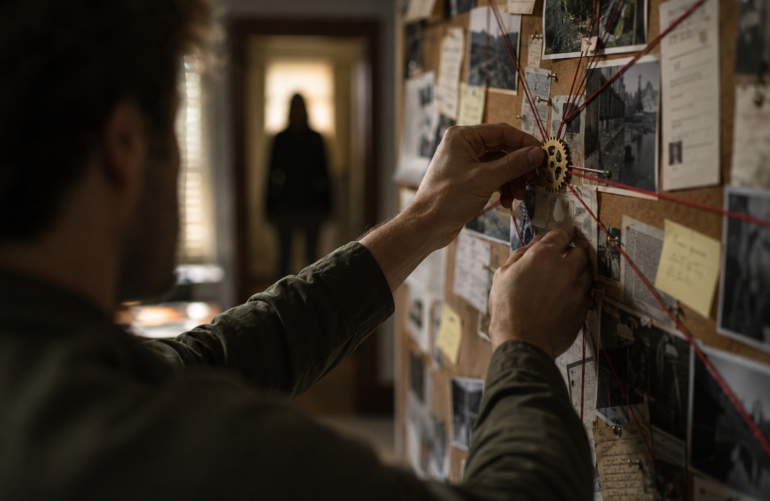
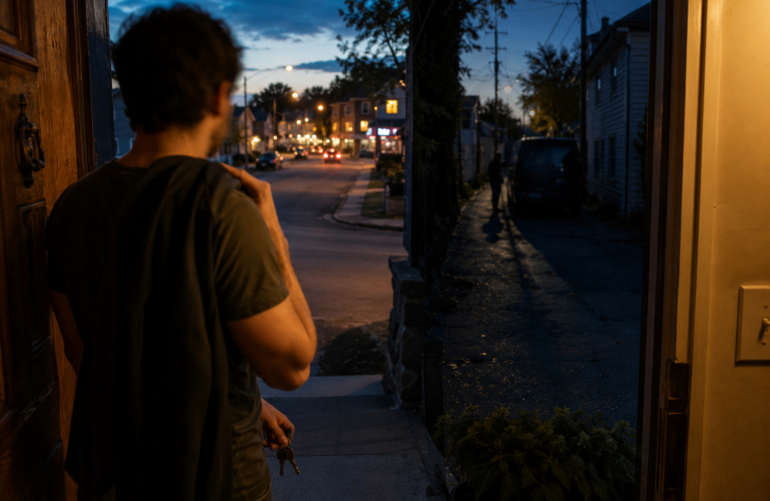
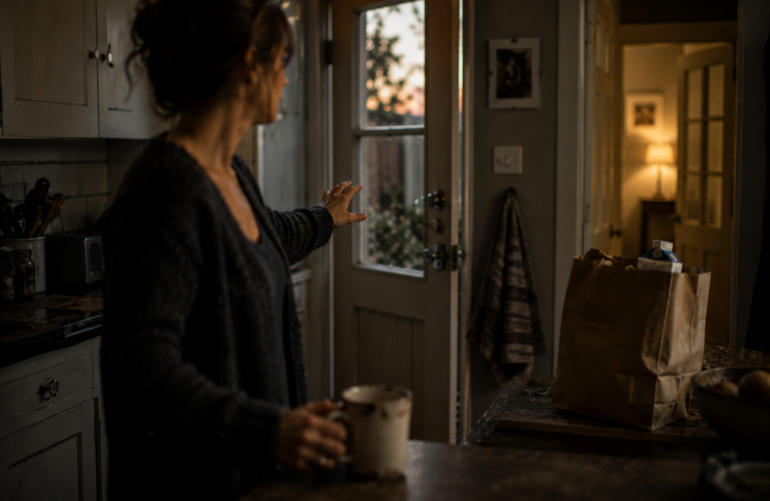
Sustaining a sense of unseen danger is a structural challenge that separates competent thrillers from memorable ones. It relies less on shocks and more on how the narrative withholds, repeats, and repositions information to keep readers unsettled. This piece…
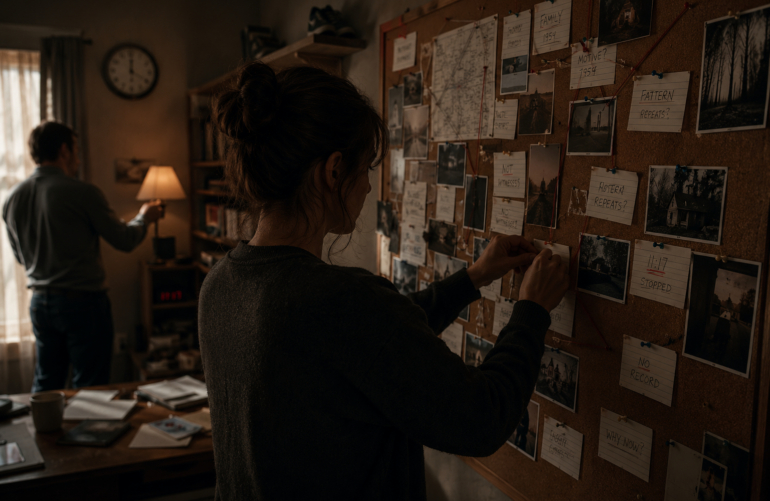
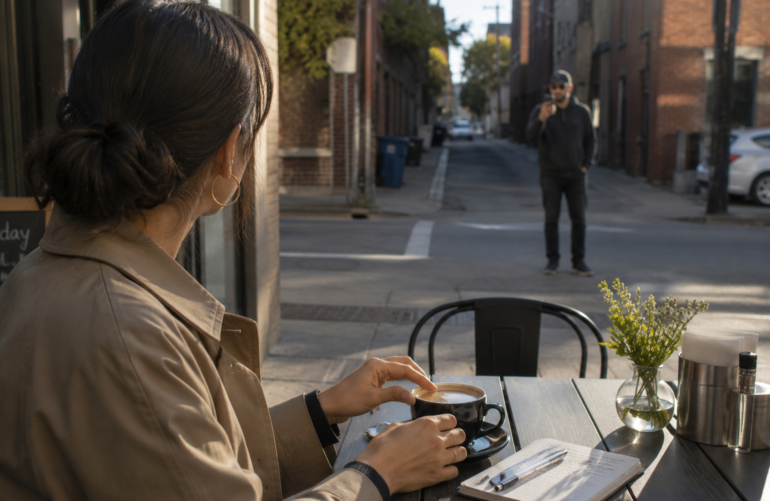
Thrillers live in moments where little things tilt a scene from ordinary to dangerous. Small behaviors — a hesitation, a practiced smile, a habitual route — can accumulate until they reshape perception and stakes. When a character’s tiny decision…
In mysteries and thrillers, motive is more than a backstory detail; it is a mechanical force that can power plot momentum and justify shocks. When motives are treated as active levers, every choice a character makes feels earned and…
Introduction Short fiction thrives on compression; a single image or offhand line can tilt an entire story toward dread or curiosity. In mysteries and thrillers, writers rely on small, concrete details to suggest larger, unseen forces at work. This…
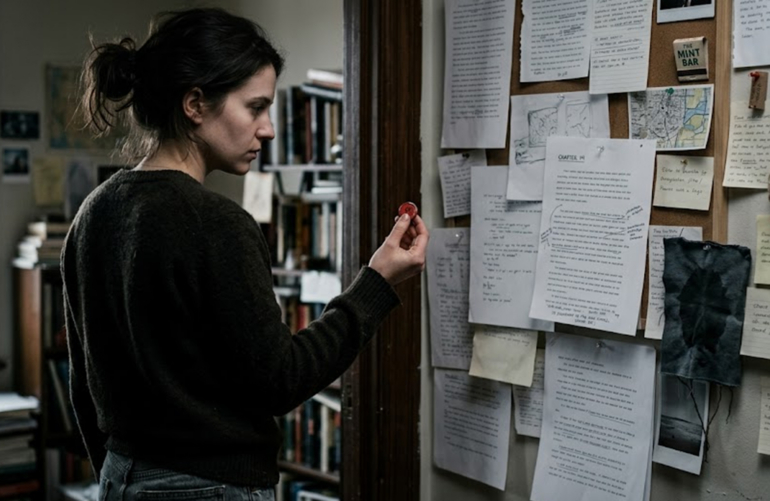
Introduction Short mystery and thriller pieces thrive on precision, atmosphere, and the careful placement of clues. They demand that every sentence pull weight, building tension while withholding enough to keep readers guessing. This makes concise storytelling an art: focus…
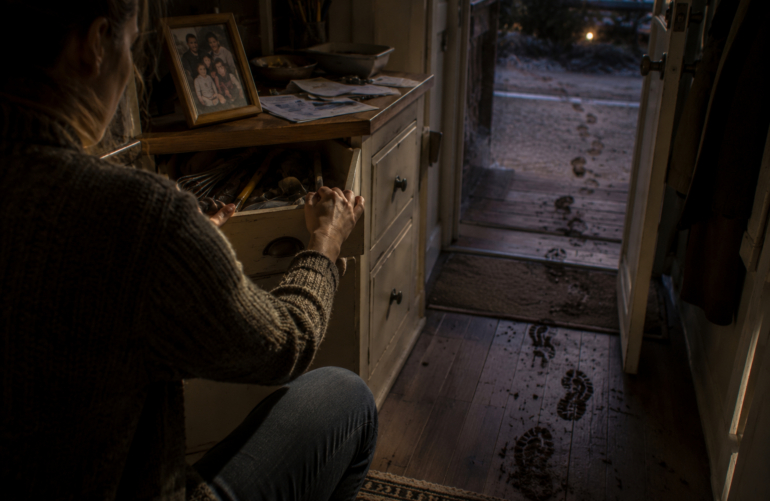
Minor domestic flaws — a stuck drawer, a misplaced photograph, a habit of leaving doors ajar — can be quiet engines of suspense when handled deliberately. These small details feel familiar, low-stakes, even benign, which is precisely why they…
Small, everyday choices are powerful narrative tools in mysteries and thrillers because they are relatable and believable. When a character opts for a different route home, forgets a key, or avoids a phone call, those decisions can ripple outward…
Character flaws are more than flaws: they are engines that drive suspense across a novel. When chosen and deployed with intention, small weaknesses can ripple outward and transform quiet scenes into sources of unease. This introduction explains why flaws…
Small domestic flaws can become the pivot of a thriller. When a routine cracks, the first rupture feels intimate and irreversible. Readers linger because the ordinary acquires menace through careful detail. Planting these flaws early lets tension accumulate across…
Everyday rituals and household rhythms are fertile ground for thriller writers who want to hide danger in plain sight. When characters move through familiar routines, readers relax; that trust creates the perfect space to plant subtle disturbances. Small consistencies…