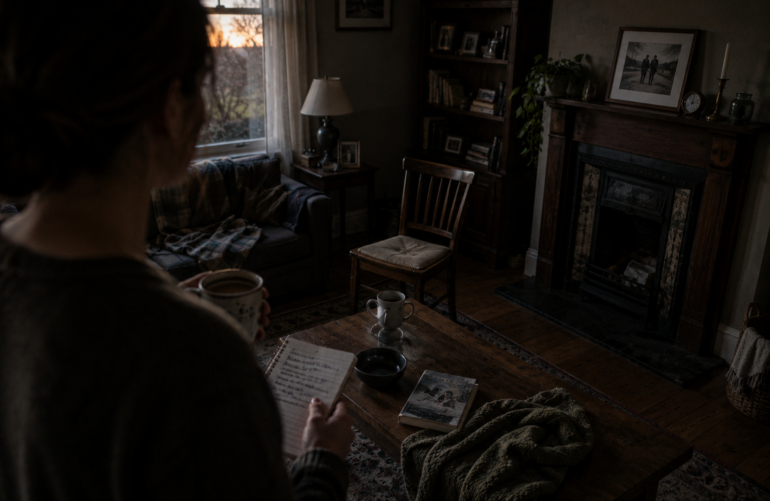
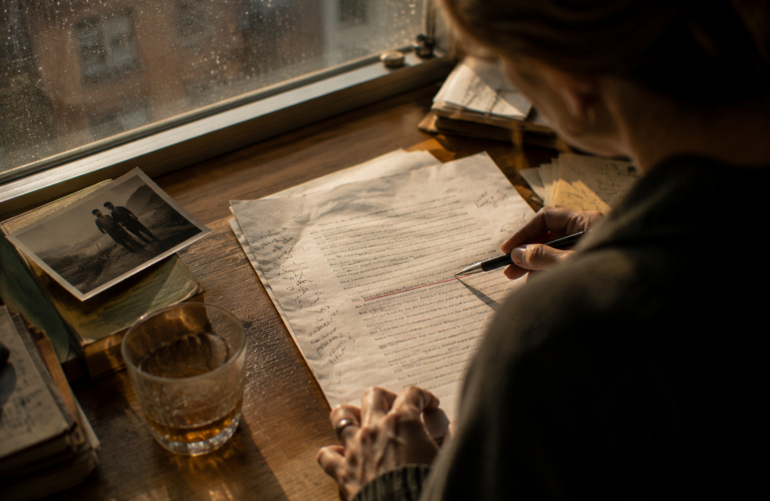
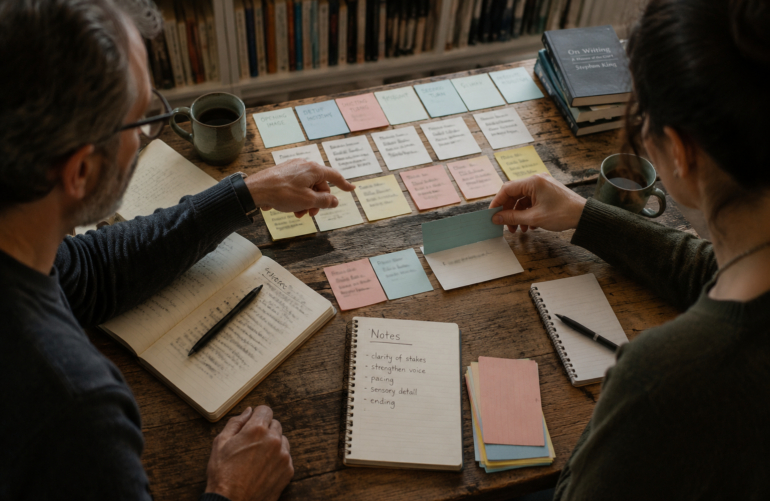
Small, repeated behaviors can become the backbone of a mystery, turning everyday routine into a source of tension. When characters act in consistent, recognizable ways, those habits create expectations readers lean on and then question. By deliberately planting these…
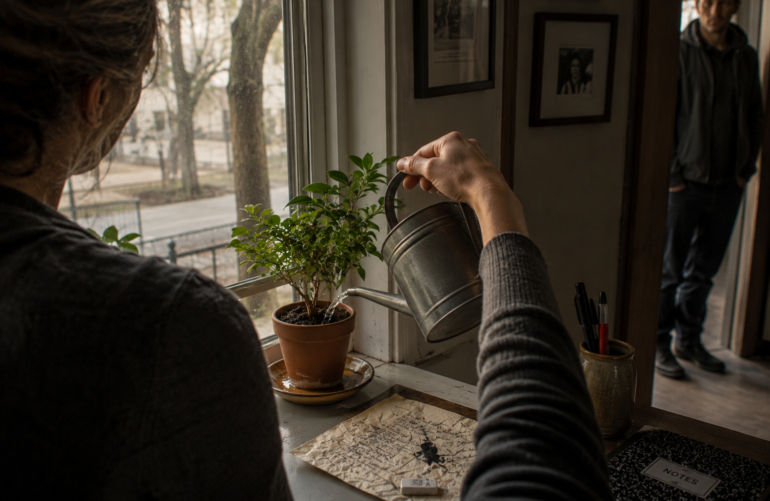
In mysteries and thrillers, the familiar can become quietly menacing when a writer pays attention to the textures of daily life. A kitchen table, a hallway light, or the pattern of someones commute can all register as clues long…
A short story often hinges on a small, precise moment. Choosing which detail to linger on can steer emotion, point of view, and pacing. Writers who learn to translate quiet observation into an internal turn find their stories resonate…
A powerful short story often hinges on a single, living moment that contains the story’s tension and truth. Choosing that scene gives the writer an organizing principle to shape detail, voice, and pace. When the moment is clear, every…
Movement and the places people pass through are more than logistics in speculative fiction; they shape social rhythms, reveal power, and emboss meaning onto a world. When authors treat transit and thresholds as design choices, towns, cities, and wildlands…
Worldbuilding often focuses on grand events and sweeping technologies, but the smallest elements can do the heaviest lifting for believability. Meals, local maps, and the tiny rules people live by give readers touchpoints to understand an imagined society. These…
Short personal essays rely on a clear path that guides readers from moment to meaning. Designing narrative flow means choosing what to show, what to summarize, and where to pause. That shape reduces reader work and highlights the essay’s…
Starting a short nonfiction piece often feels like standing at a busy intersection of memory, observation, and opinion. Choosing a single curiosity to follow narrows the field and gives the essay a clear direction. When that curiosity is specific…
Short, concentrated pieces of fiction can be powerful tools for sharpening attention and fueling creative work. Reading a compact story requires little time but invites sustained focus, narrative thinking, and emotional engagement. When used intentionally, these brief encounters become…
Creating a weekly short story habit is an accessible way to refresh creative energy without overcommitting time. A compact plan helps writers and readers test ideas, build momentum, and notice patterns across several weeks. When framed around modest goals,…